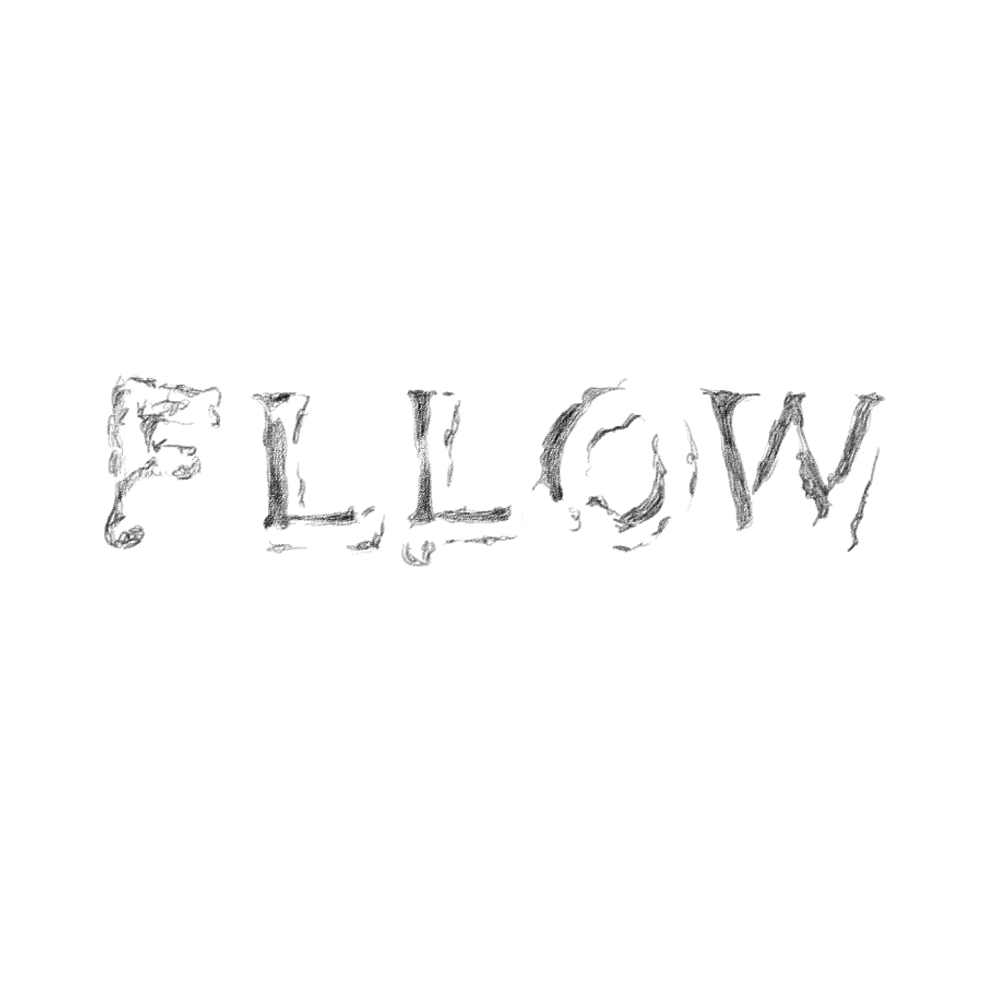
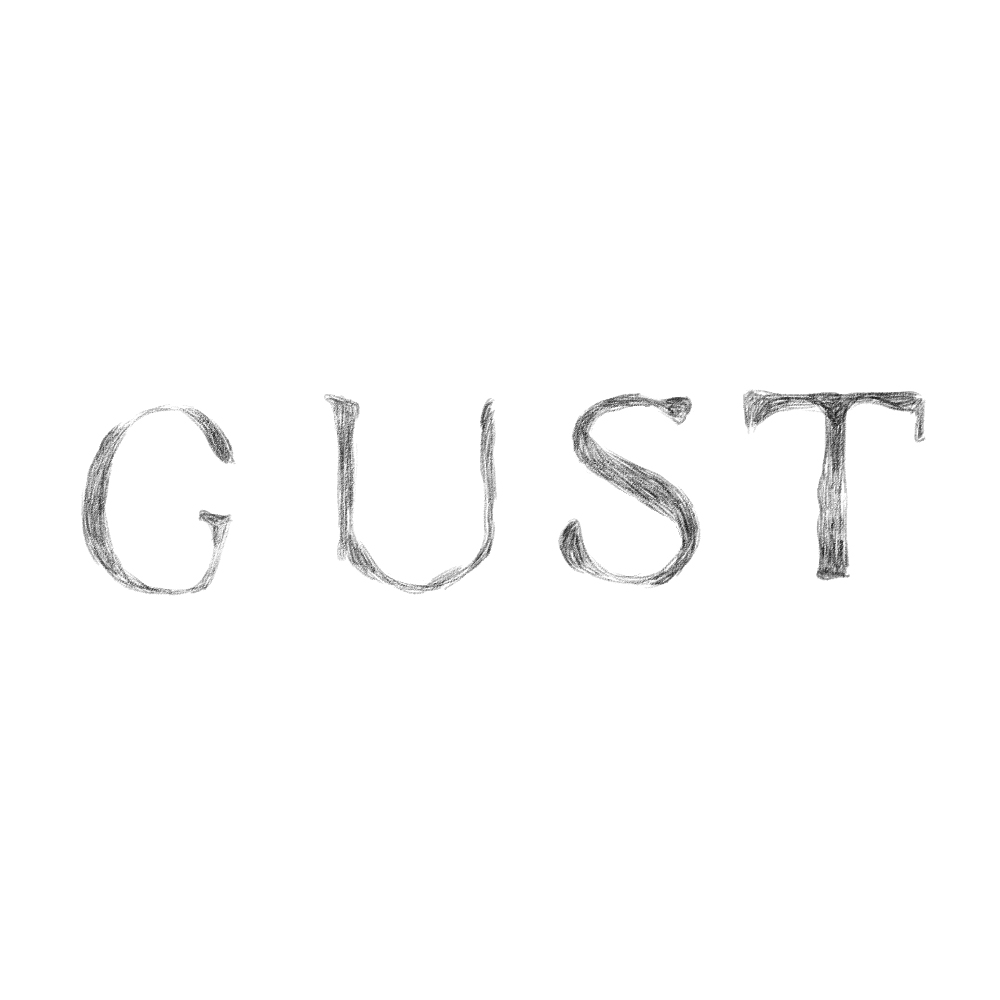
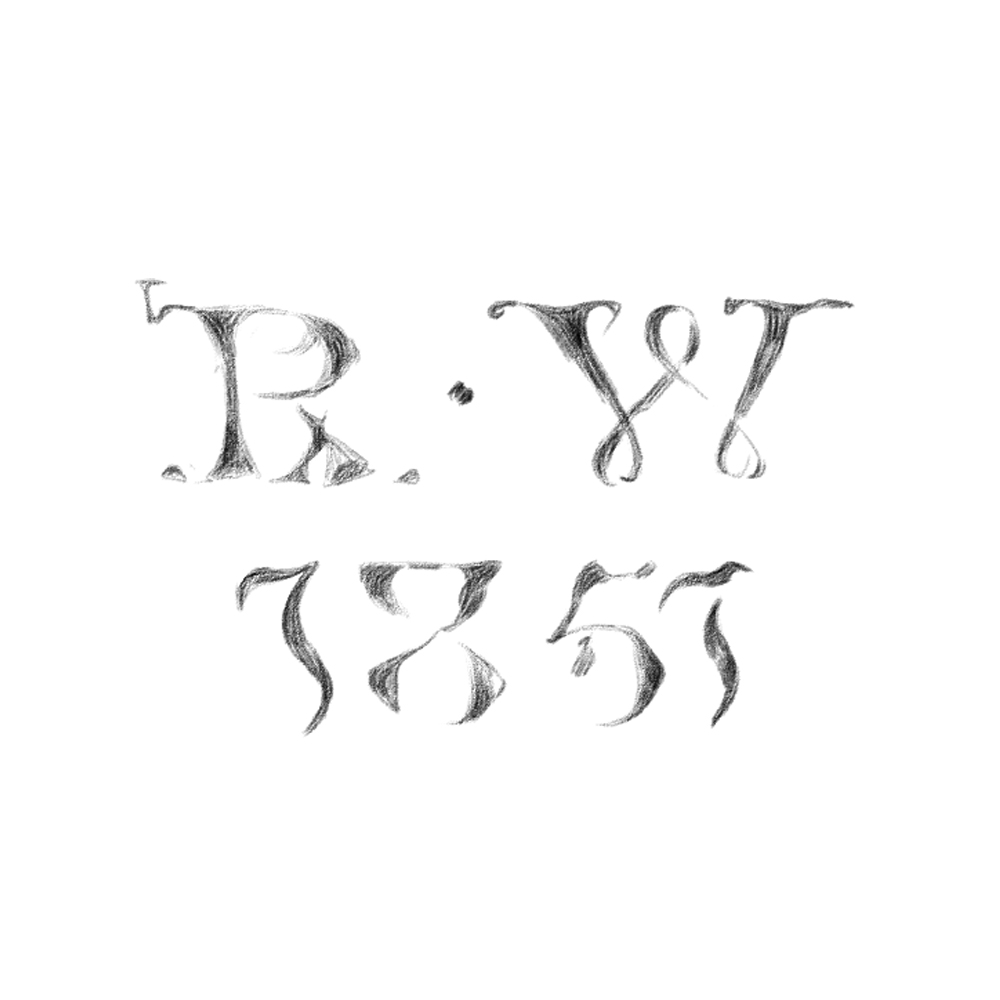
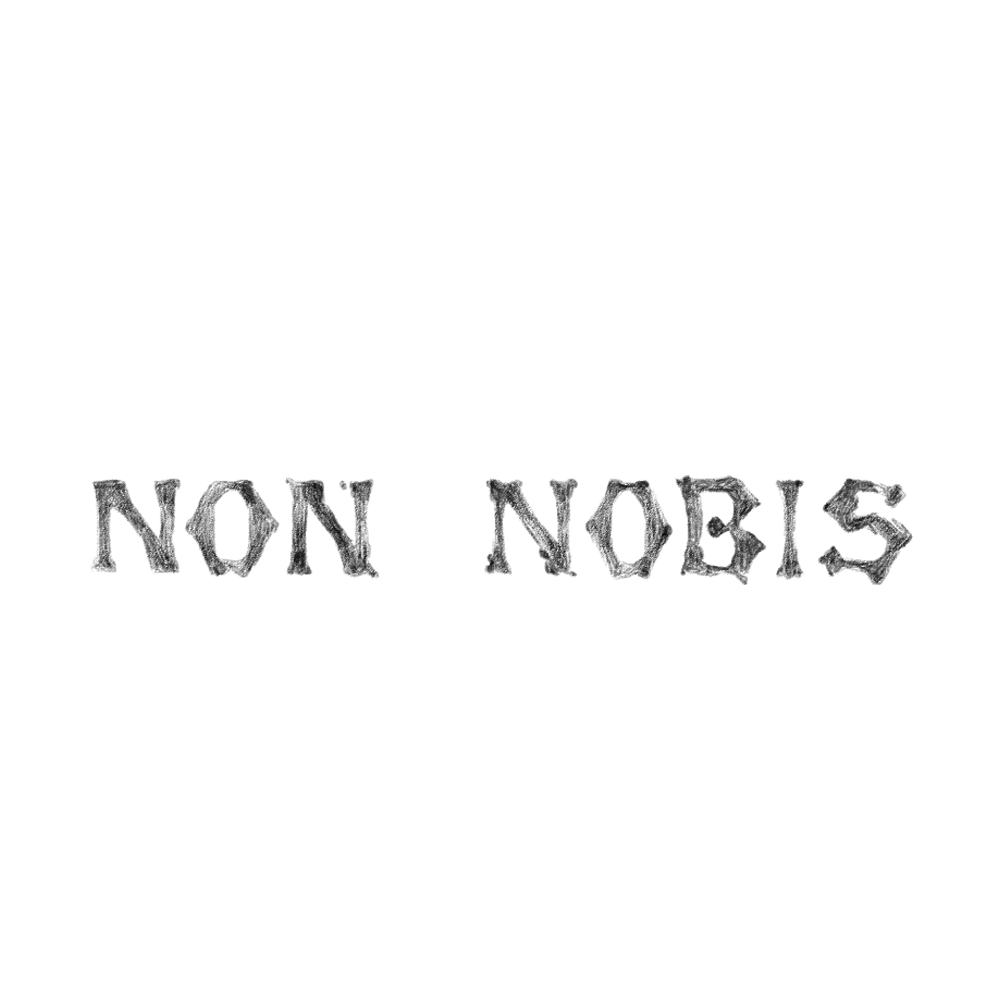
In Lines: A Brief History, Tim Ingold explores the fundamental relationship between drawing and writing. He states that ‘The engraver was an artisan, not an artist ; his lines were not expressive but reproductive.’ (Ingold, 2007, p. 135) and discusses how artisans who engraved letters and inscriptions were historically considered craftsmen rather than artists.
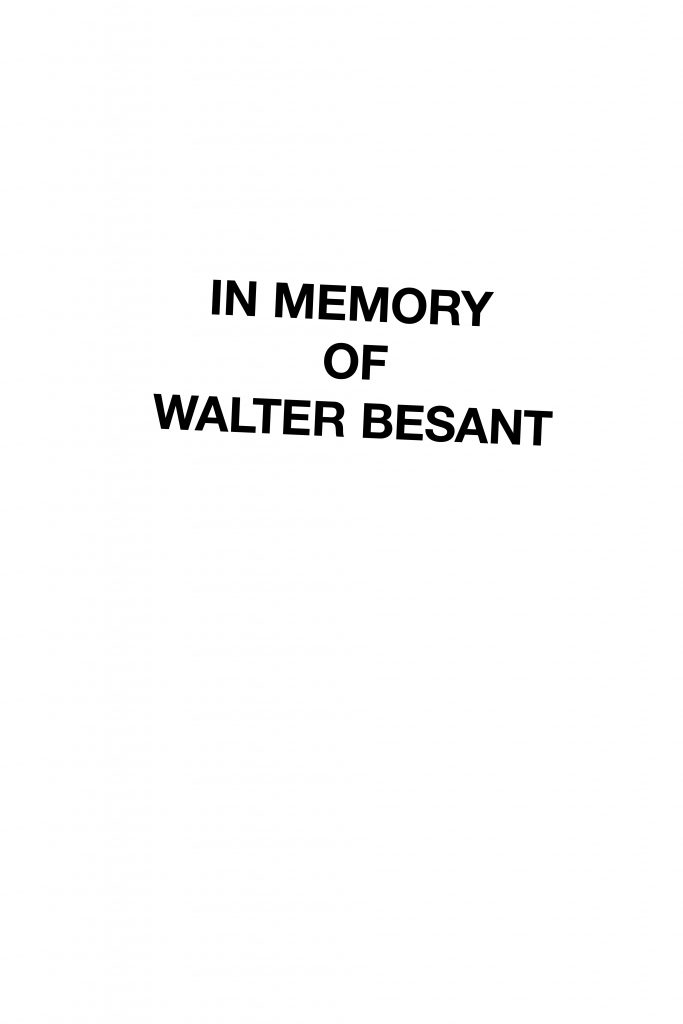
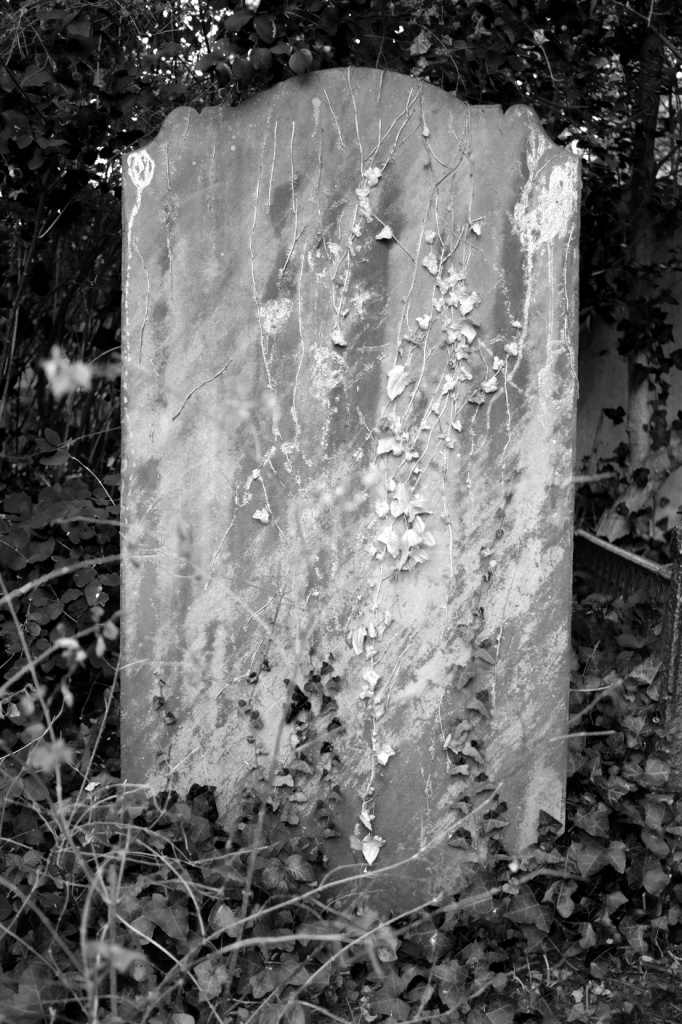
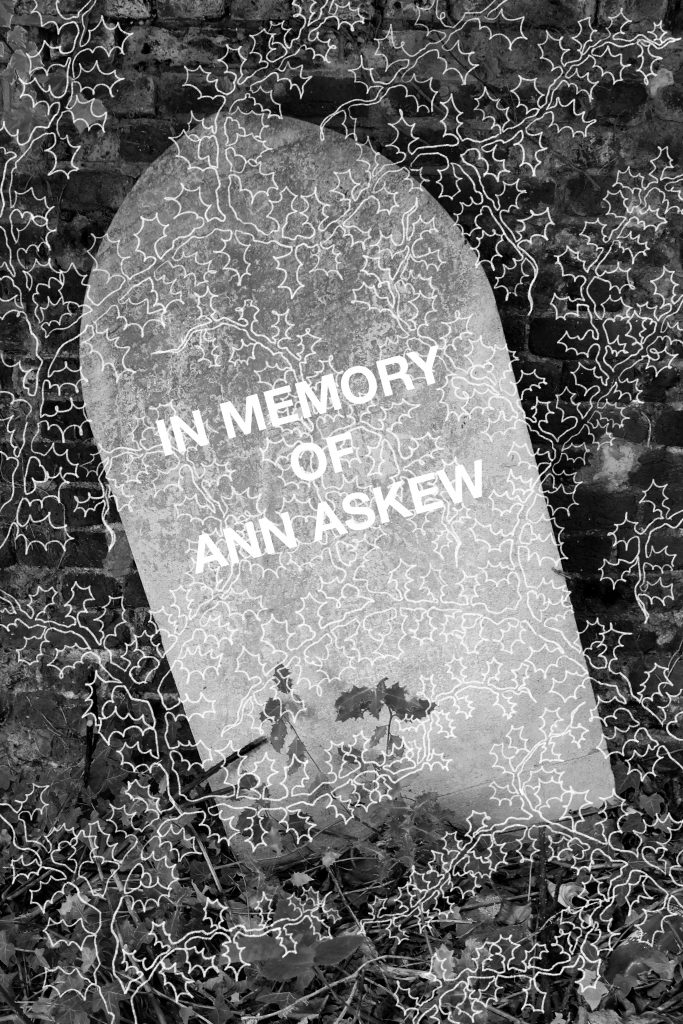
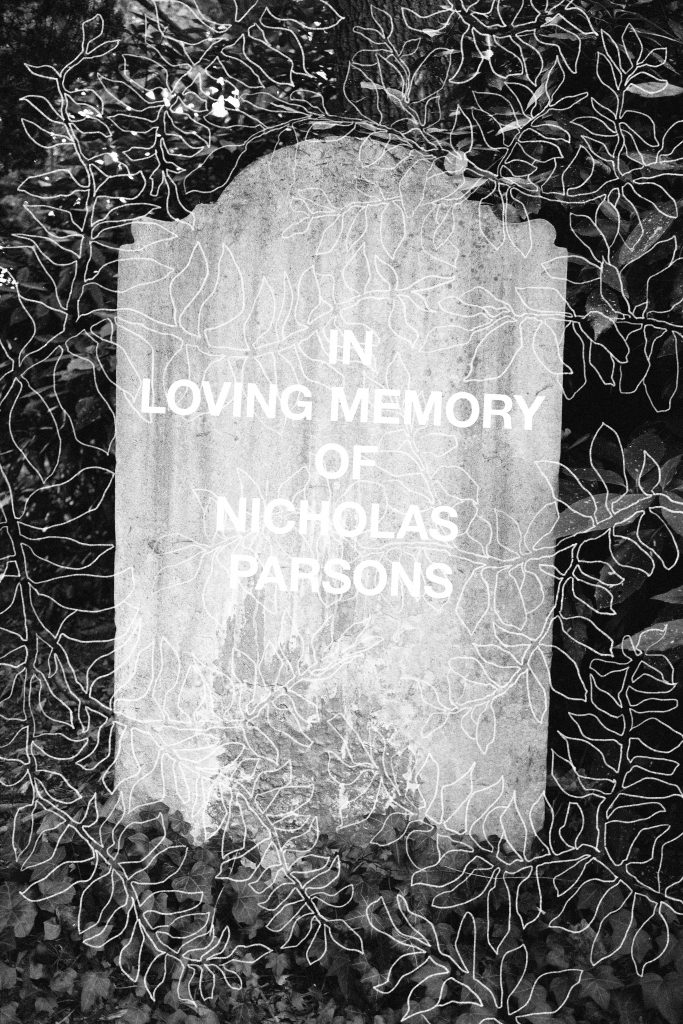
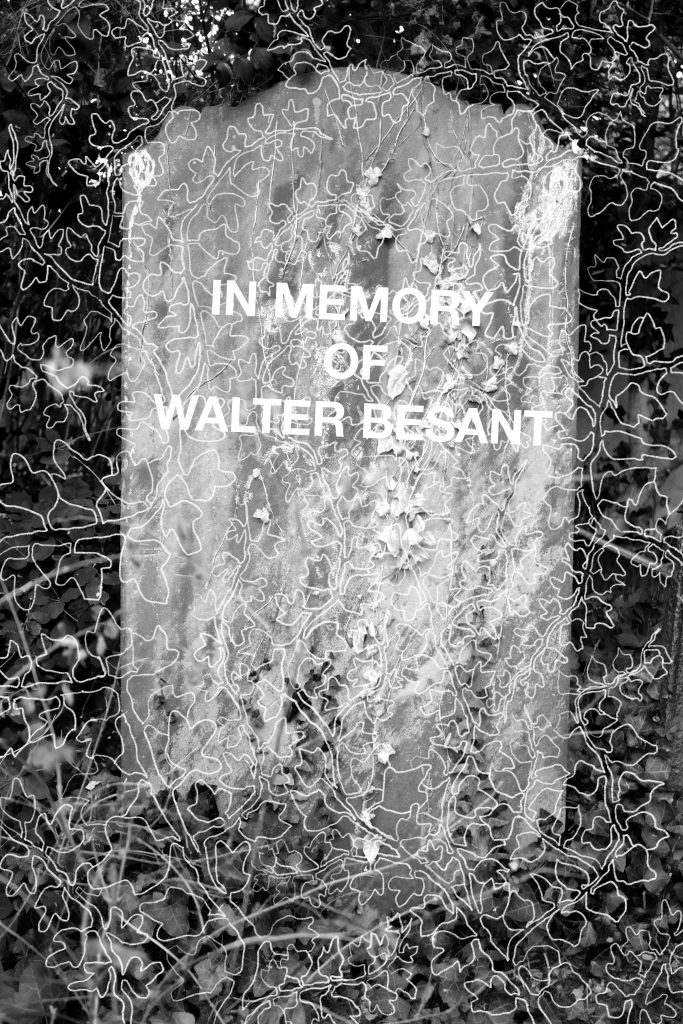
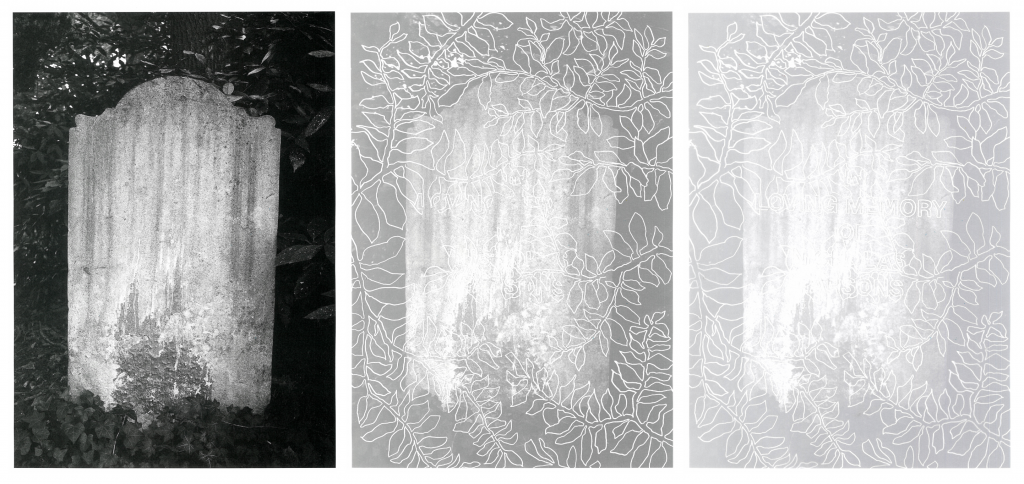
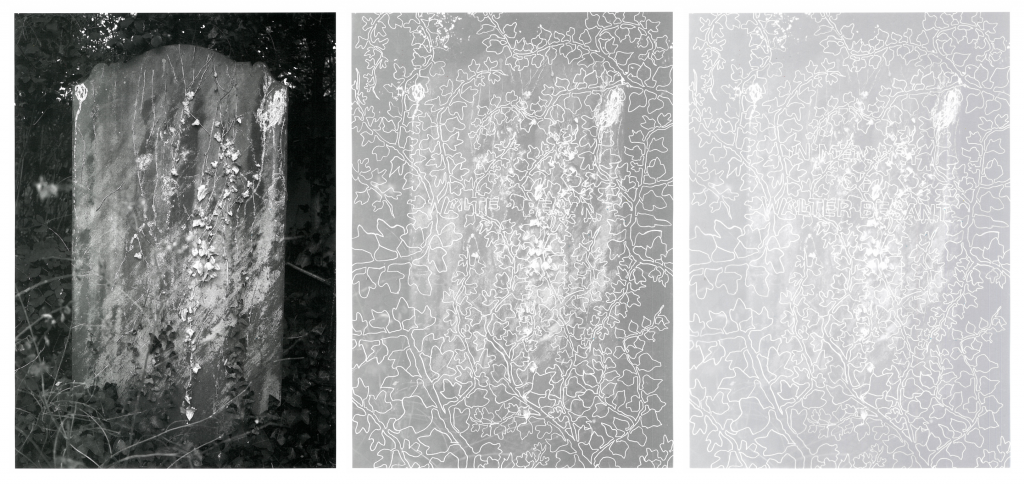
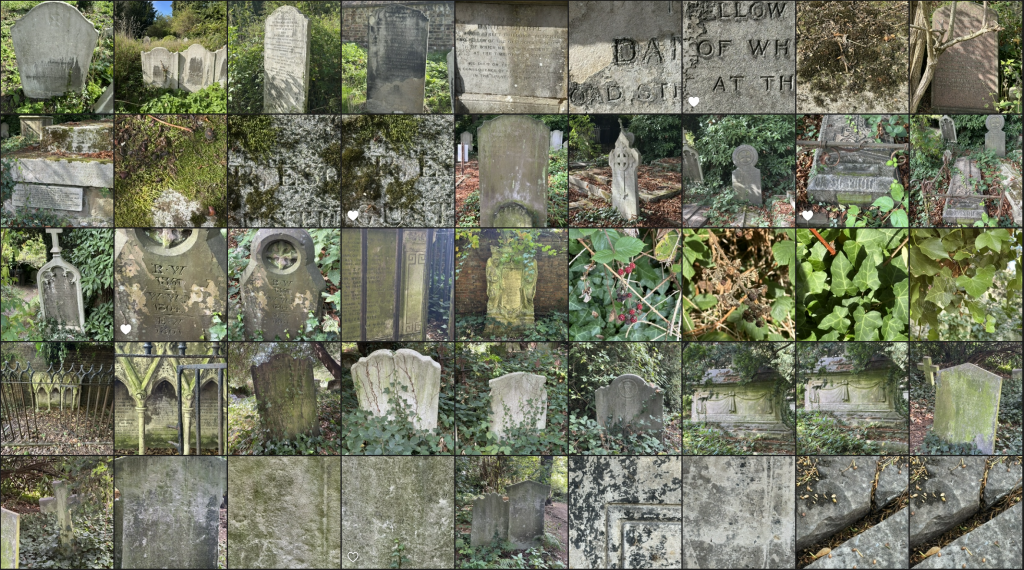
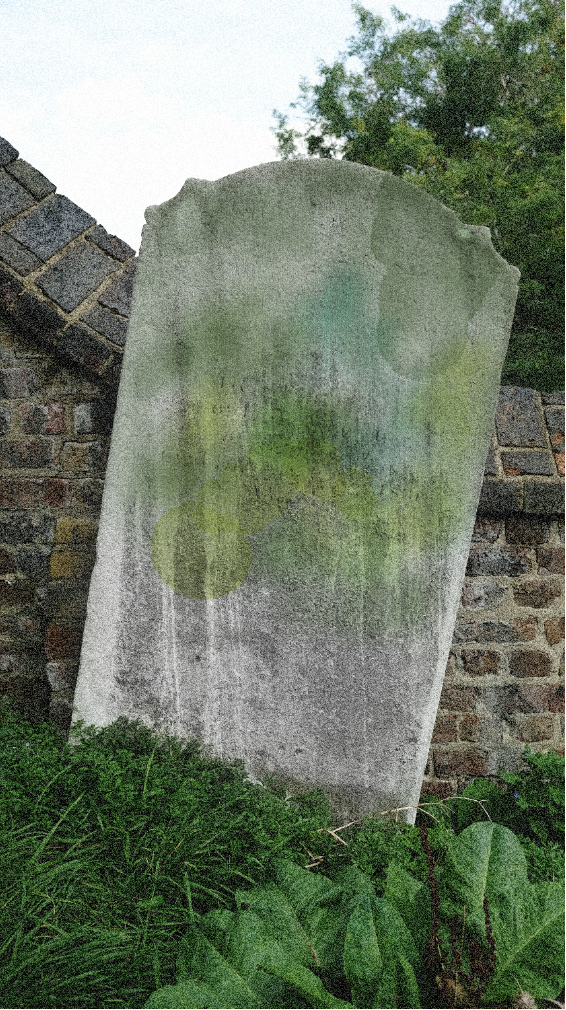
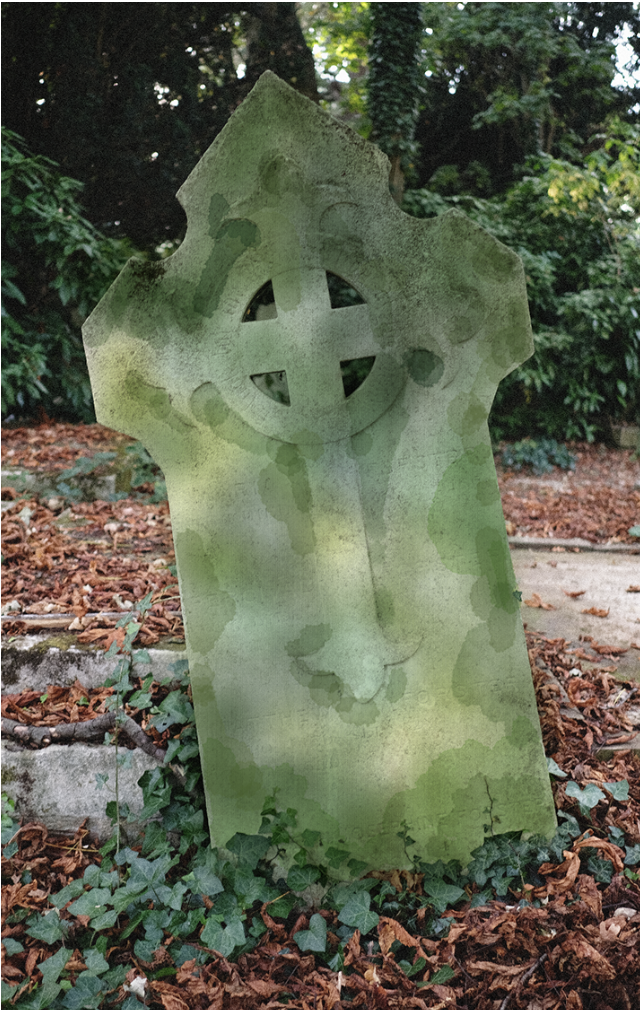
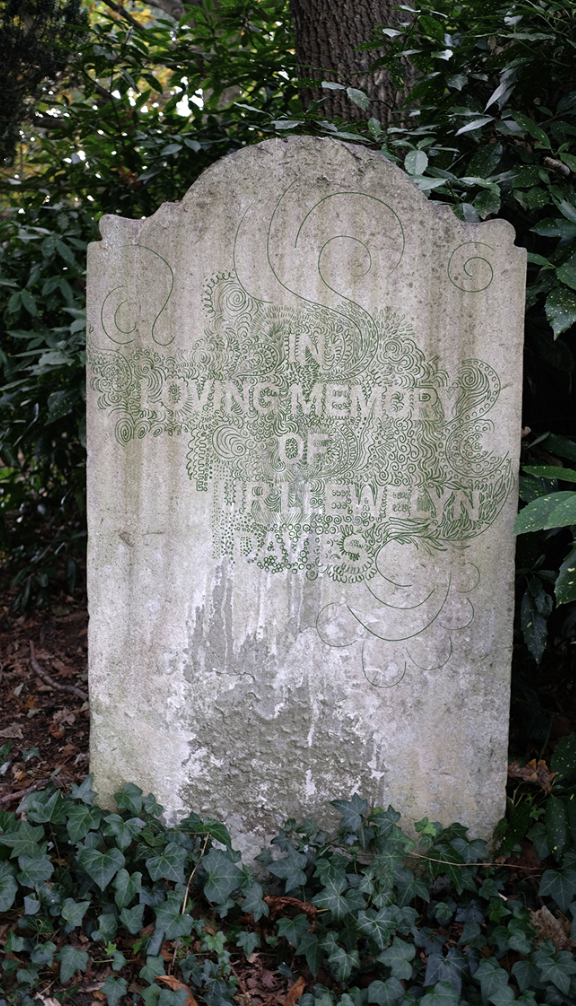
This idea directly resonates with my project, where I focus on tombstones. The theme I wanted to bring up in my project is how engraved texts carry meaning. When I observed the engraved names and dates on tombstones, I was struck by how these inscriptions, that hold immense emotional and symbolic weight end up disappearing. They are not written for the dead but for the living. Inspired by this, I decided to highlight and reinterpret these marks.
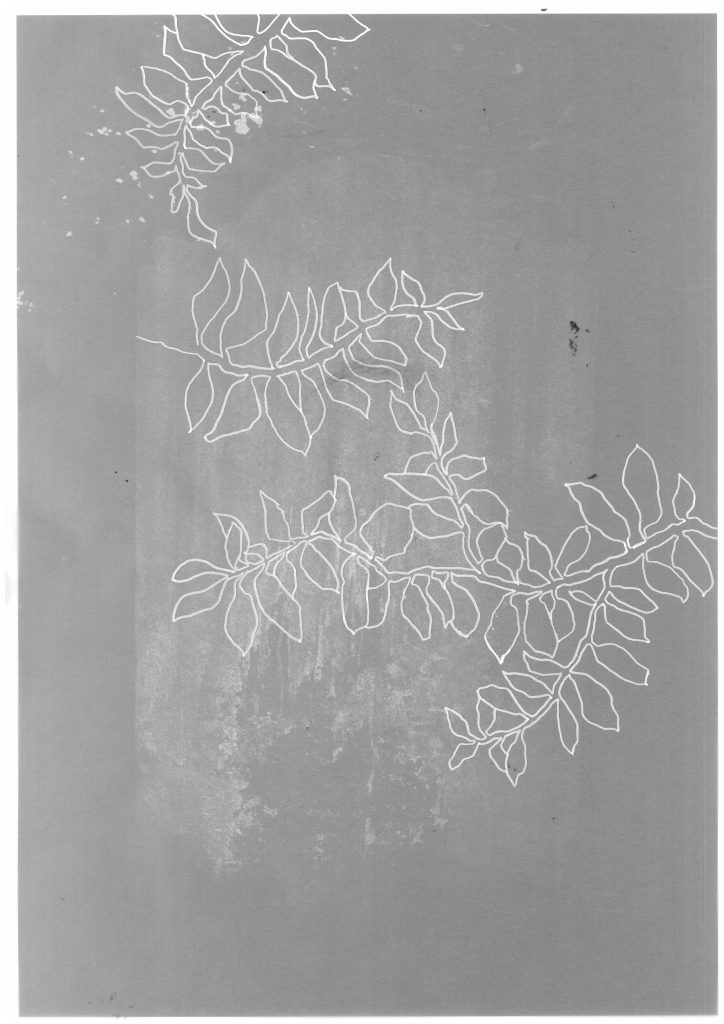
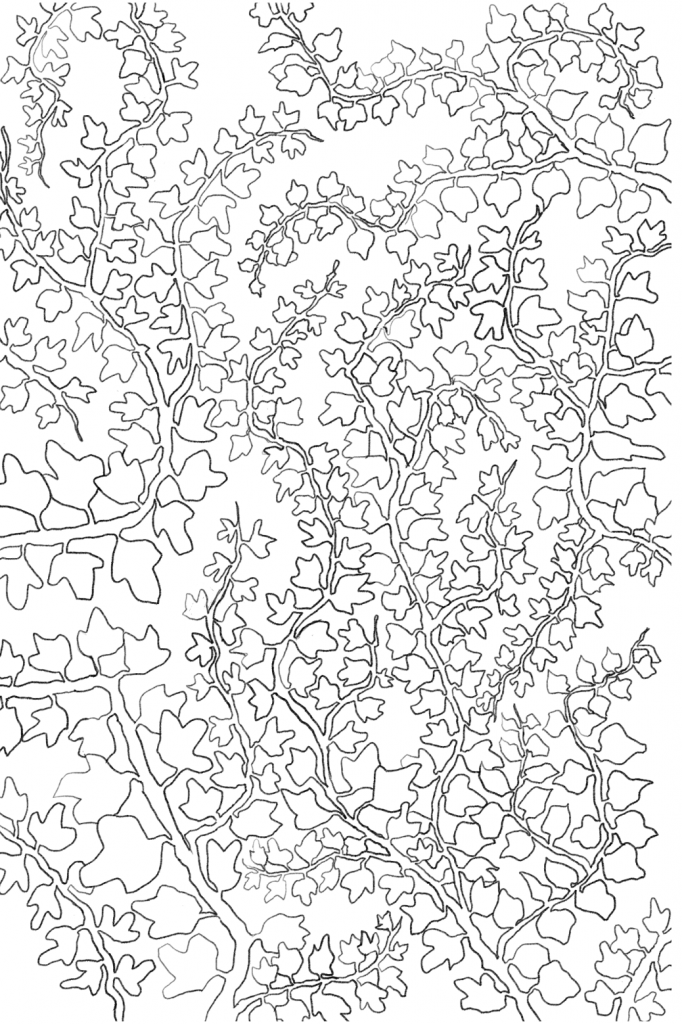
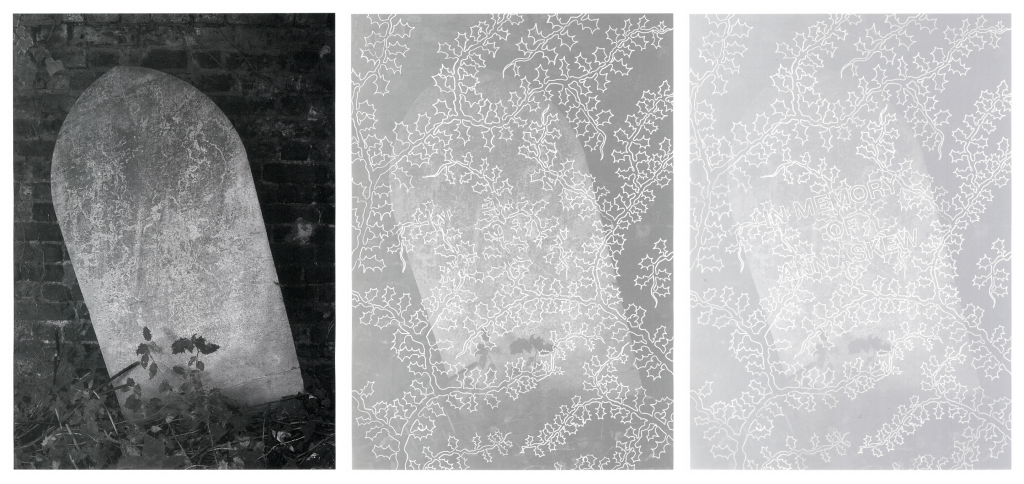
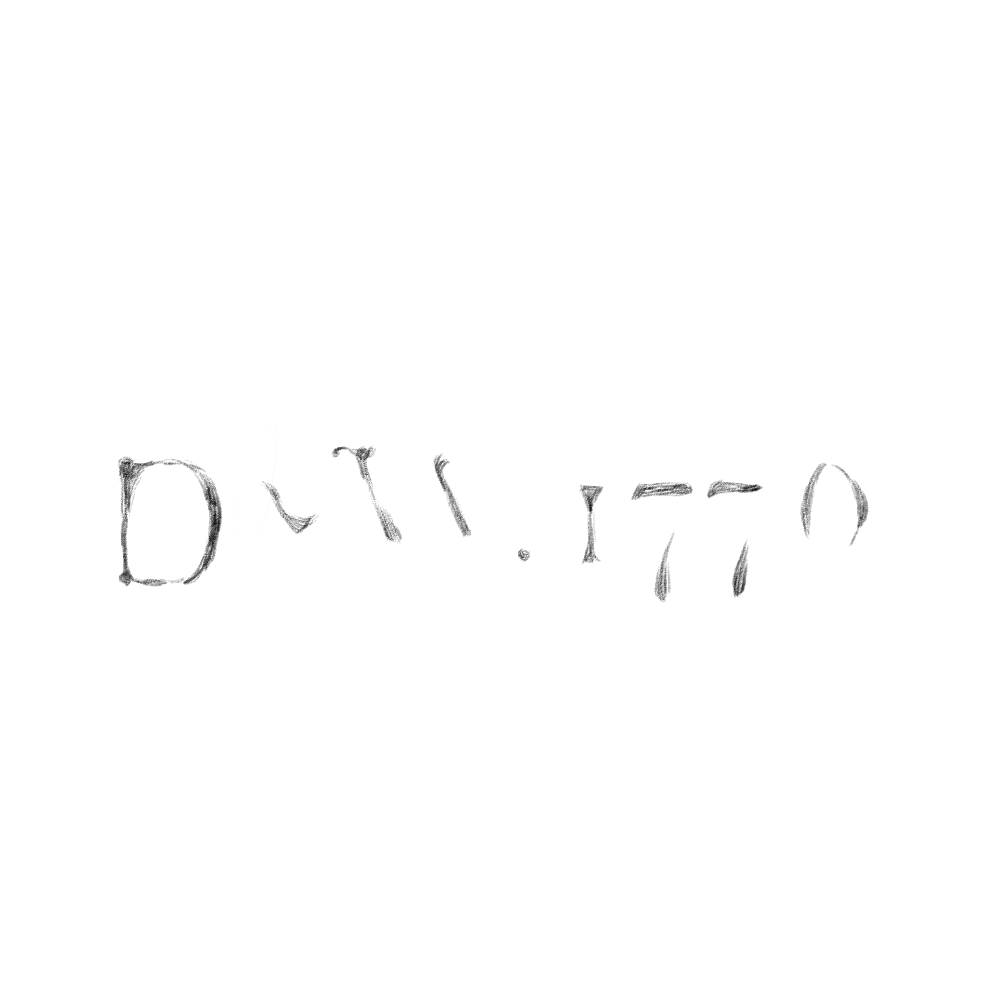
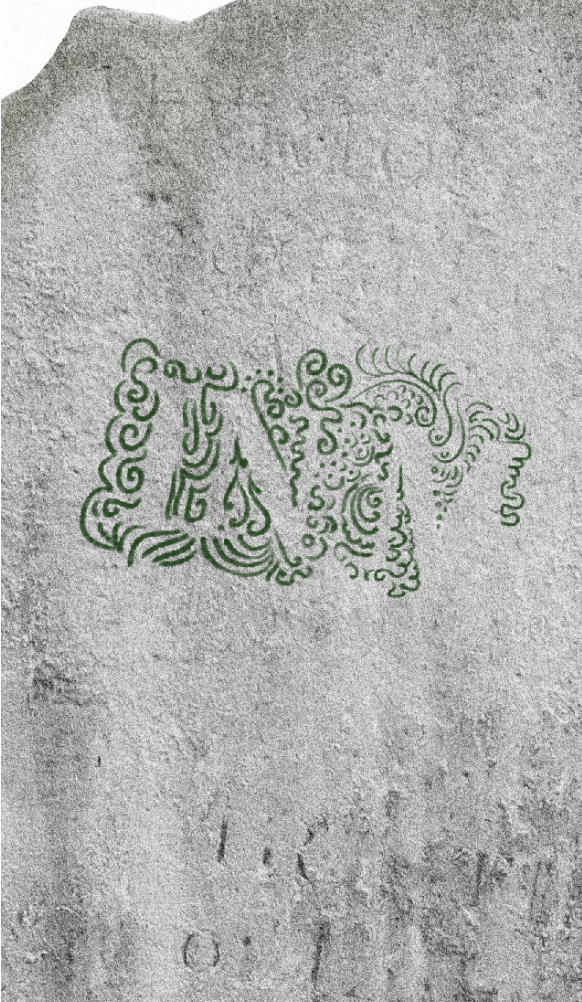
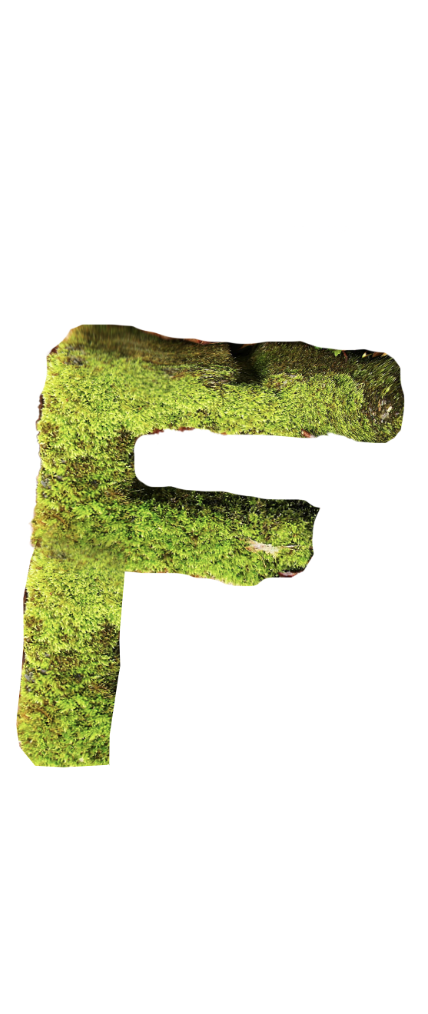
I began to draw the letters rather than simply write them, allowing them to dissolve and merge into my drawings of plants. In doing so, I blurred the boundary between text and image. While the technique of engraving immobilises the letters, I chose, buy drawing them, to make them lively again. Rosemary Sassoon’s assertion that ‘the form and line of a letter is as sensitive and expressive as the line quality in a drawing’ (Sassoon, cited in Ingold, 2007, p. 179) further reinforces my approach. In my work, writing becomes drawing.
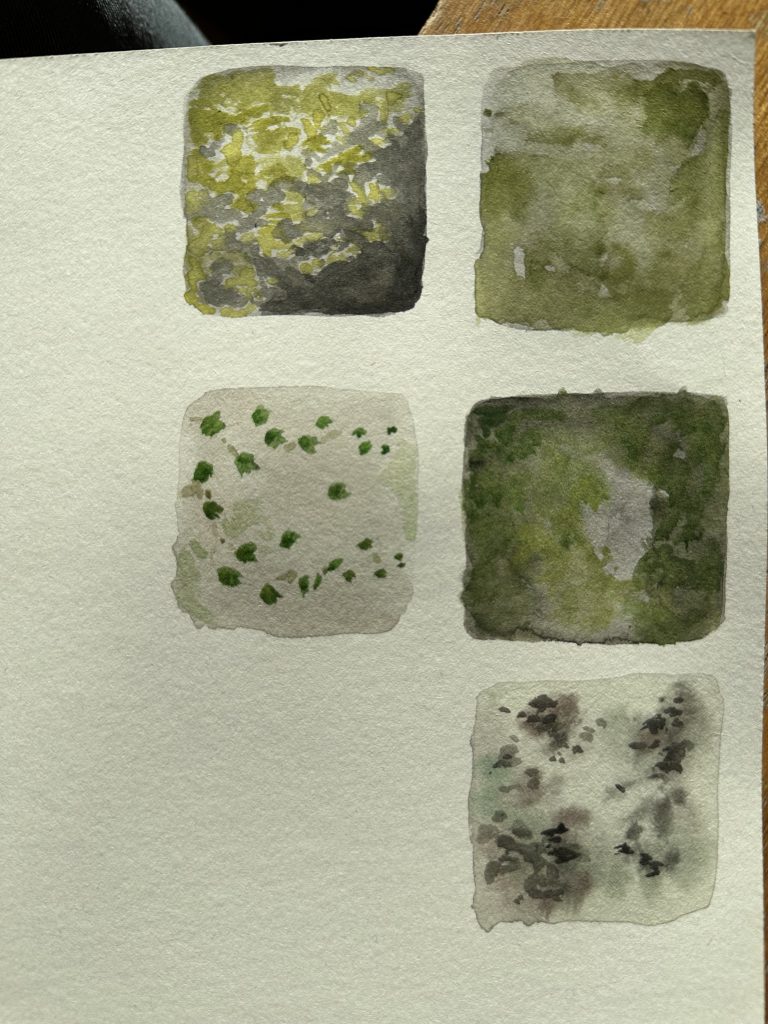
As the stone, a symbol of permanence, begins to crumble and fade, I replaced it with the motif of plants that grow and continue to live. This shift from mineral to organic matter represents the transformation of memory, from something fixed and engraved to something living and evolving. The letters, once static, become part of a living landscape.
In The Gleaners and I, Agnès Varda investigates in her own way the different aspects of gleaning, from an ancient practice to what it has become today. She brings up a memory from her childhood, she had already seen gleaners in the fields near the house where she lived, and that this image had made a lasting impression on her. She considers herself a gleaner of images and her approach on the subject is personal as she goes around with her camera.
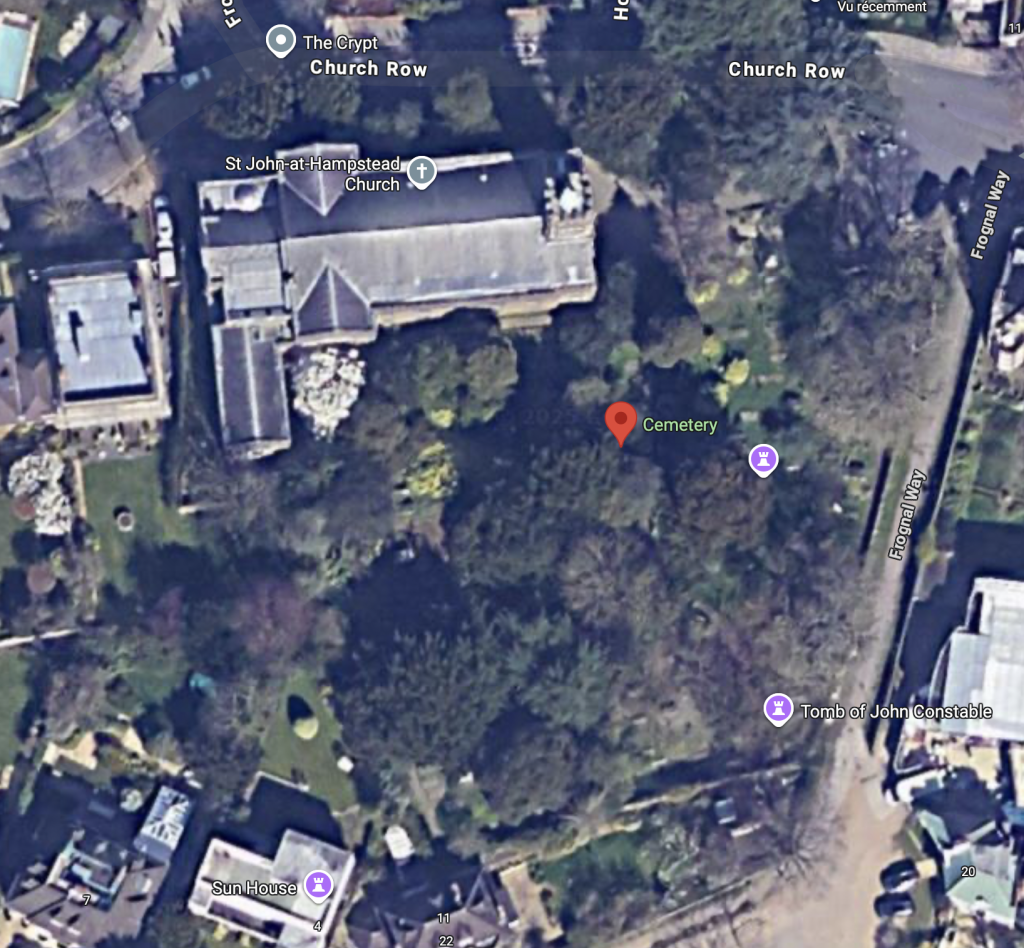
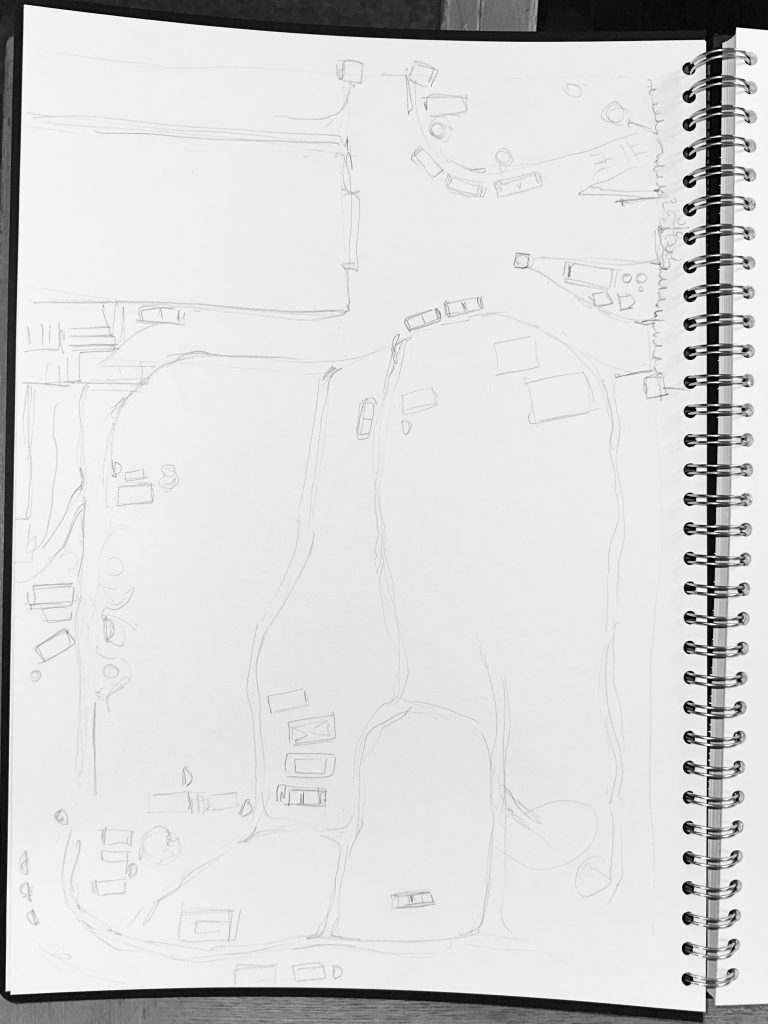
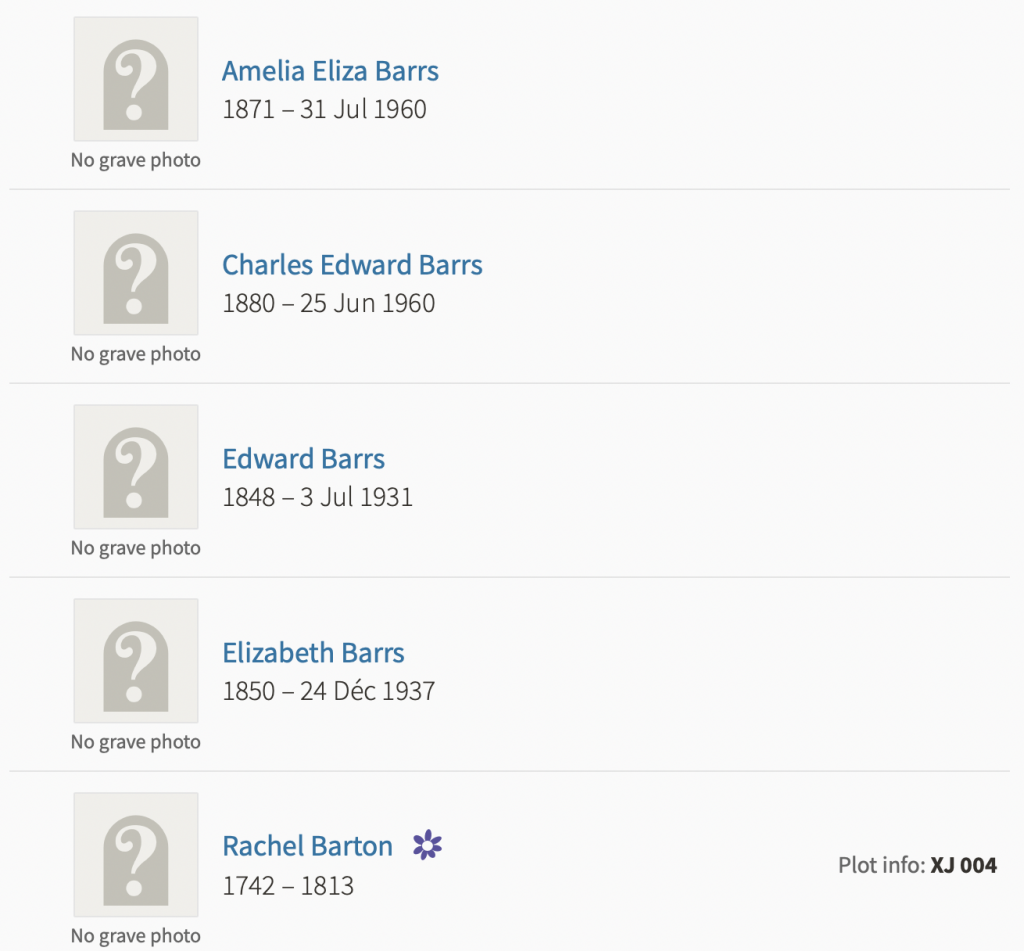
My approach on this project is similar as I went to a churchyard because of my initial interest around death, with my camera and discovered a whole other aspect of the place. Between the stones and the trees, I saw people. I ended up reading information about unknown families and people based on their names and chose to pay tribute to them through my photographs.
References :
– Ingold, T. (2007) Lines : A Brief History. London : Routledge, pp. 120–151.
– Varda, A. (2000) The Gleaners and I [film]. Paris : Ciné Tamaris.