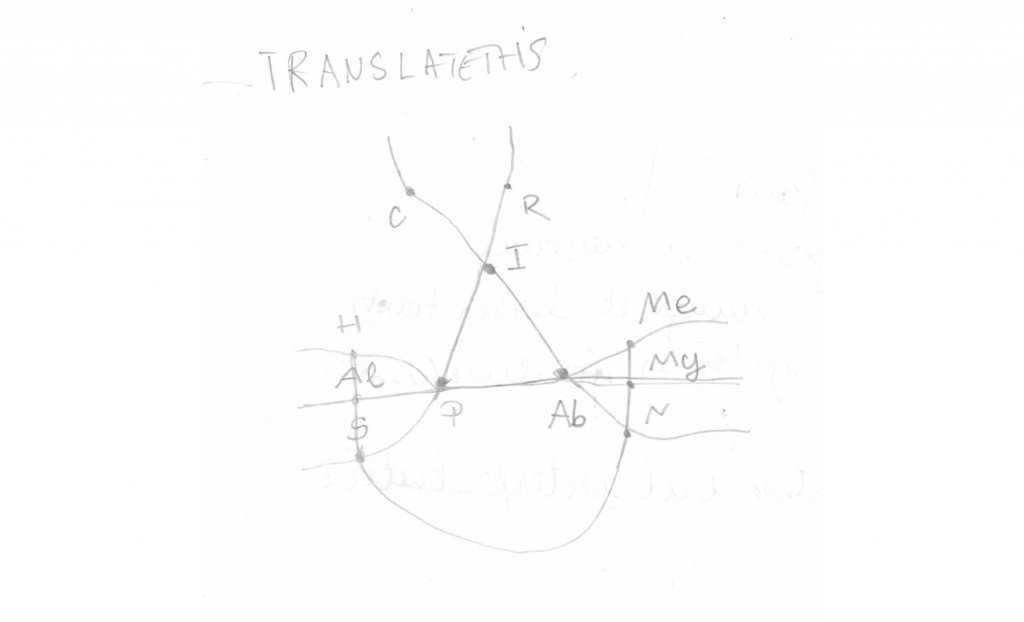
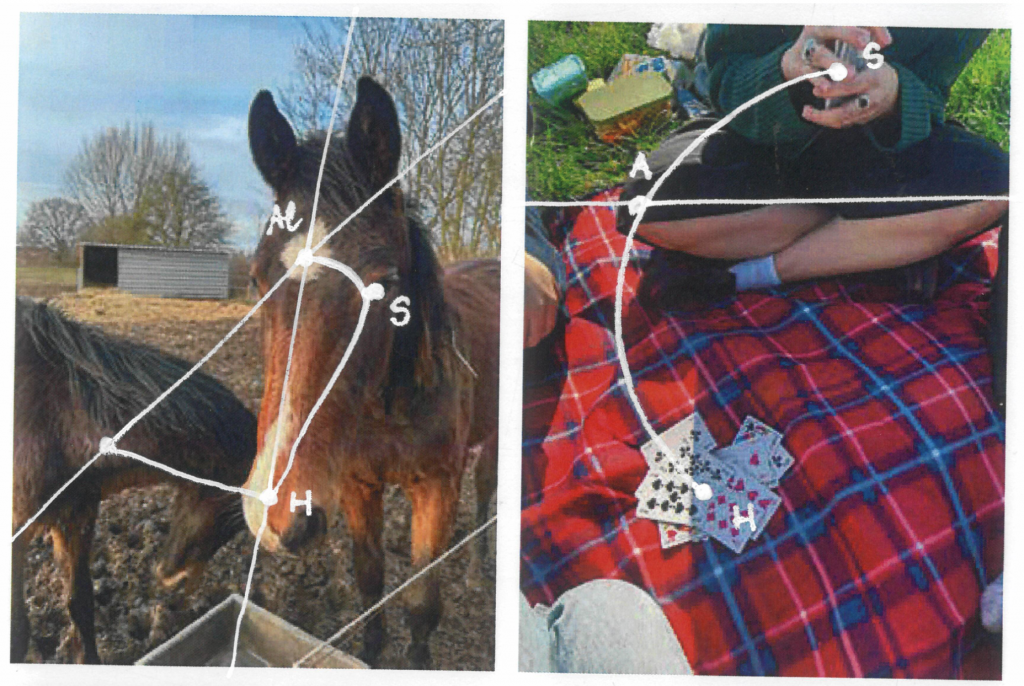




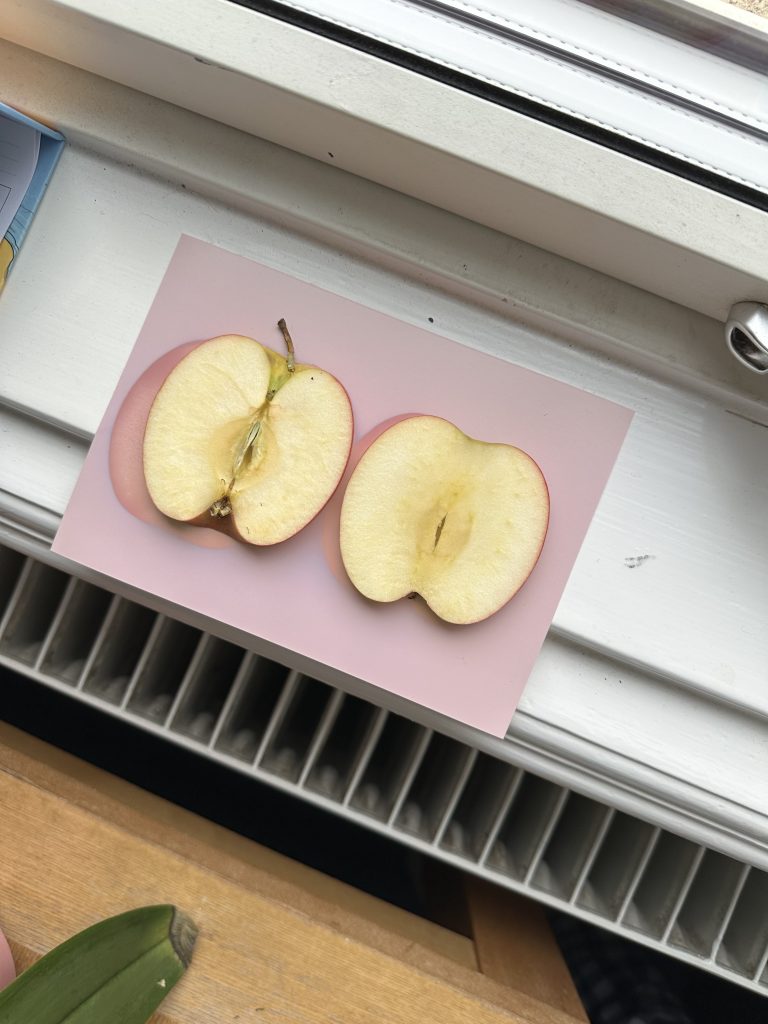
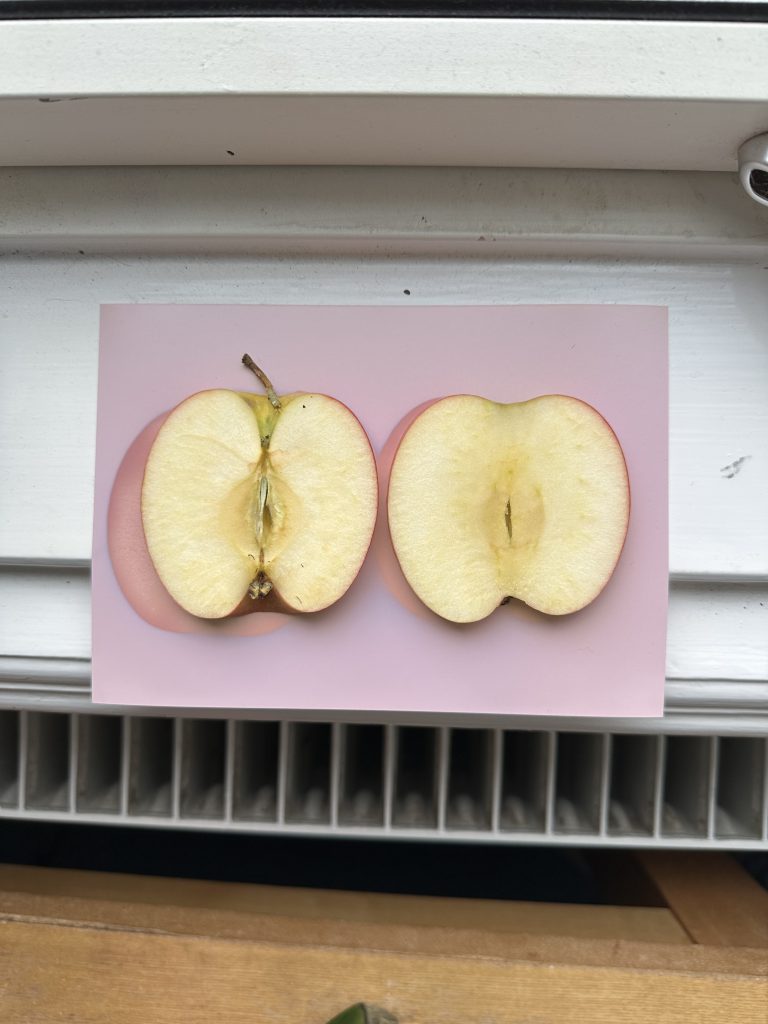
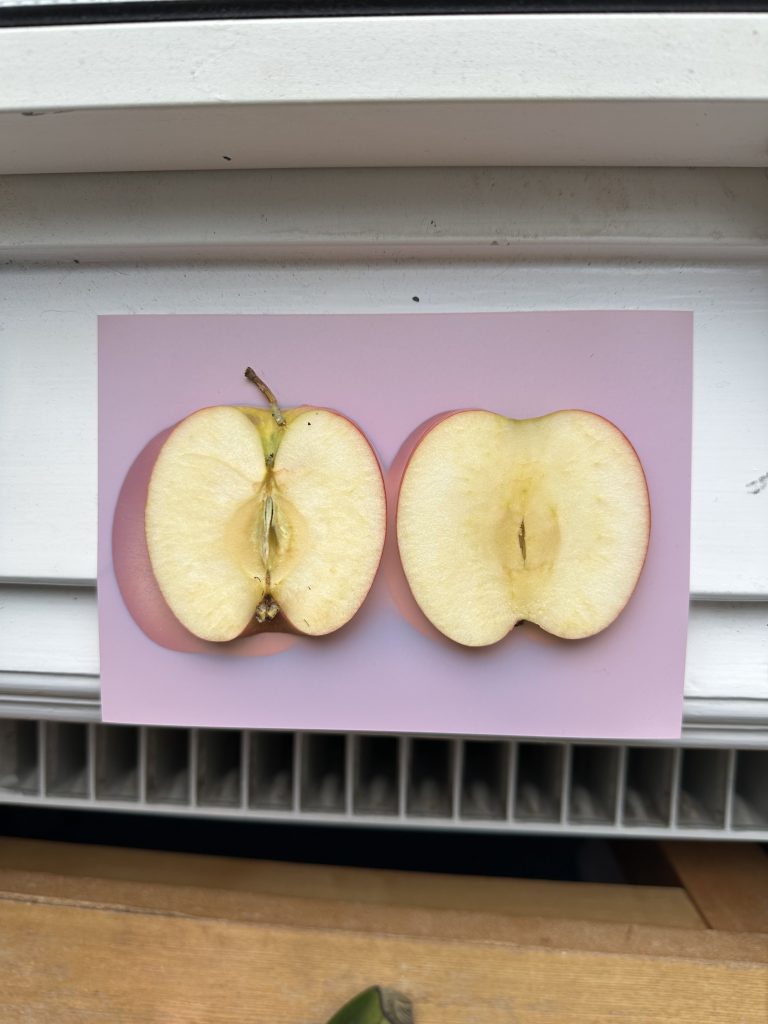
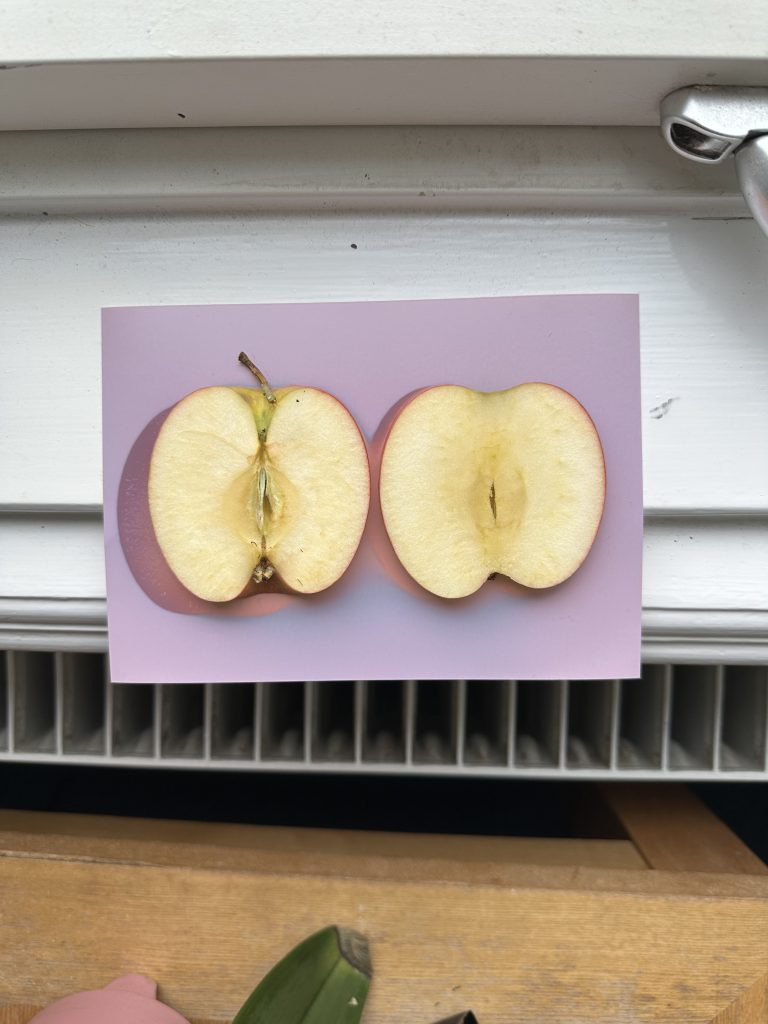
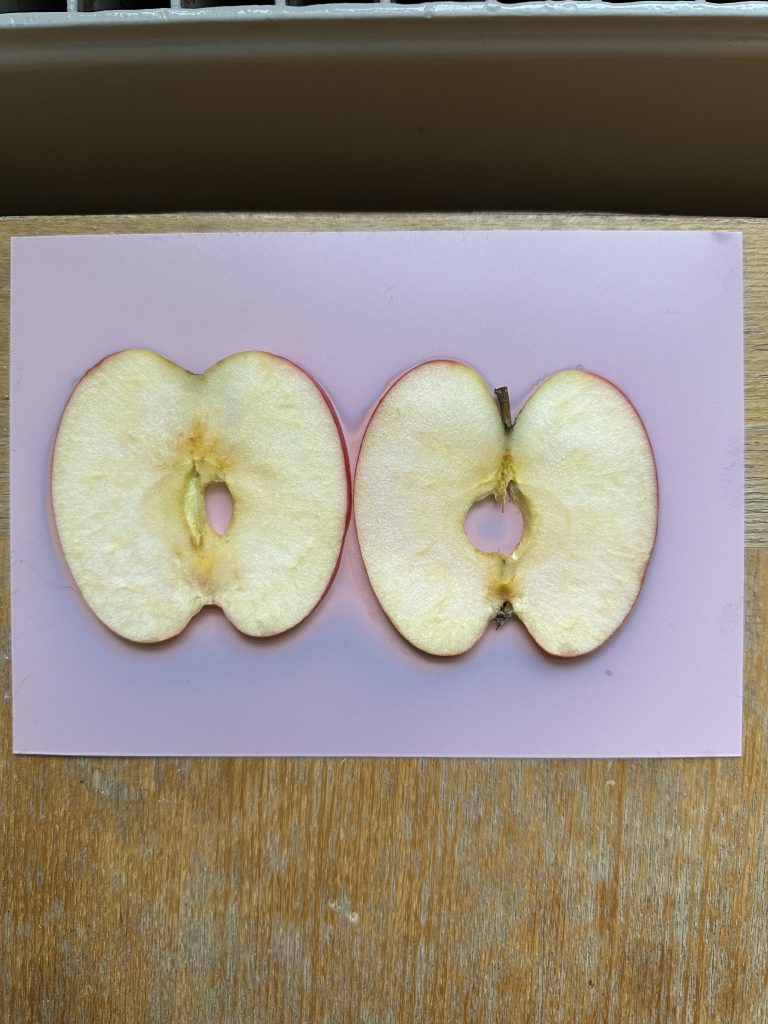
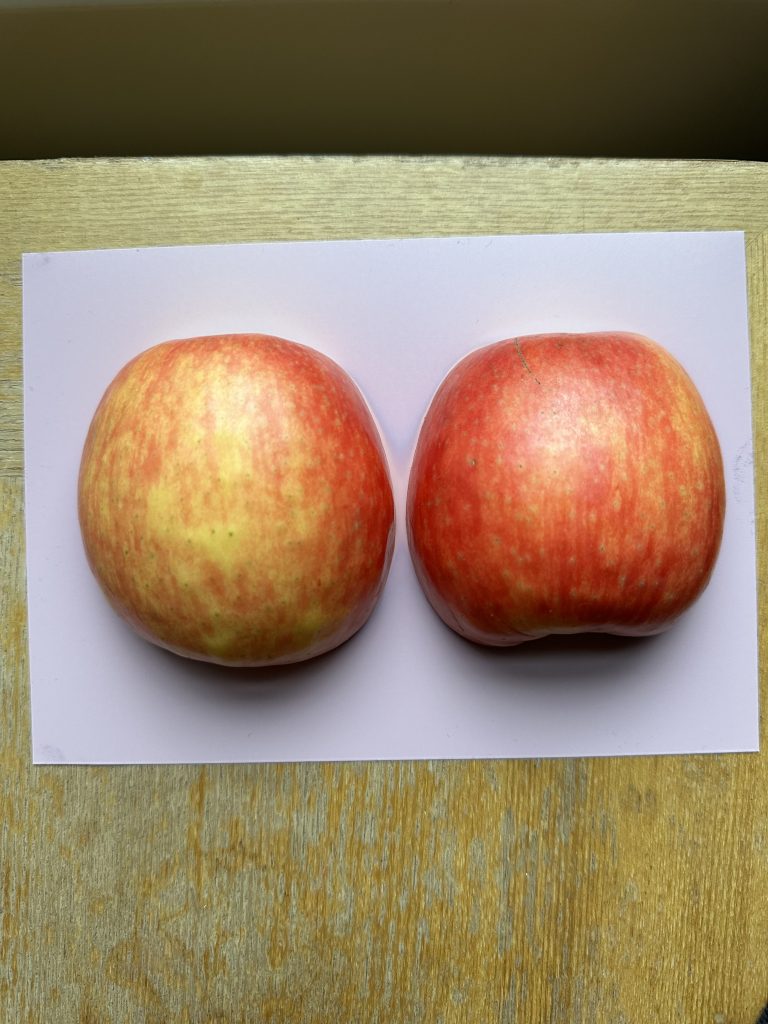
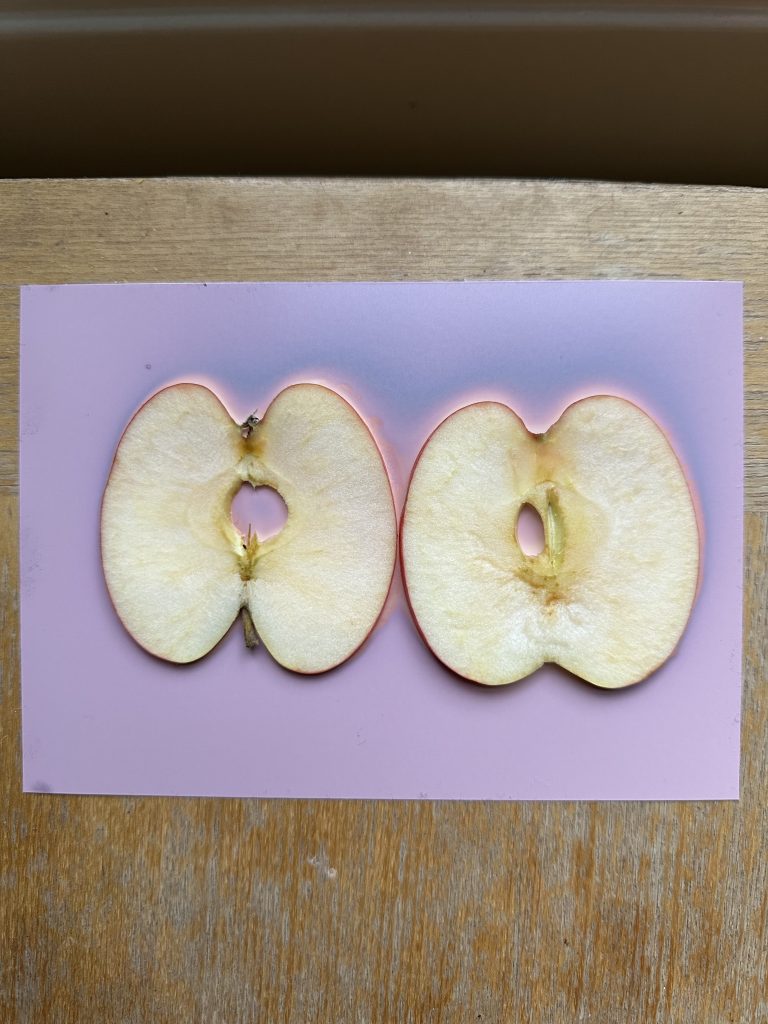
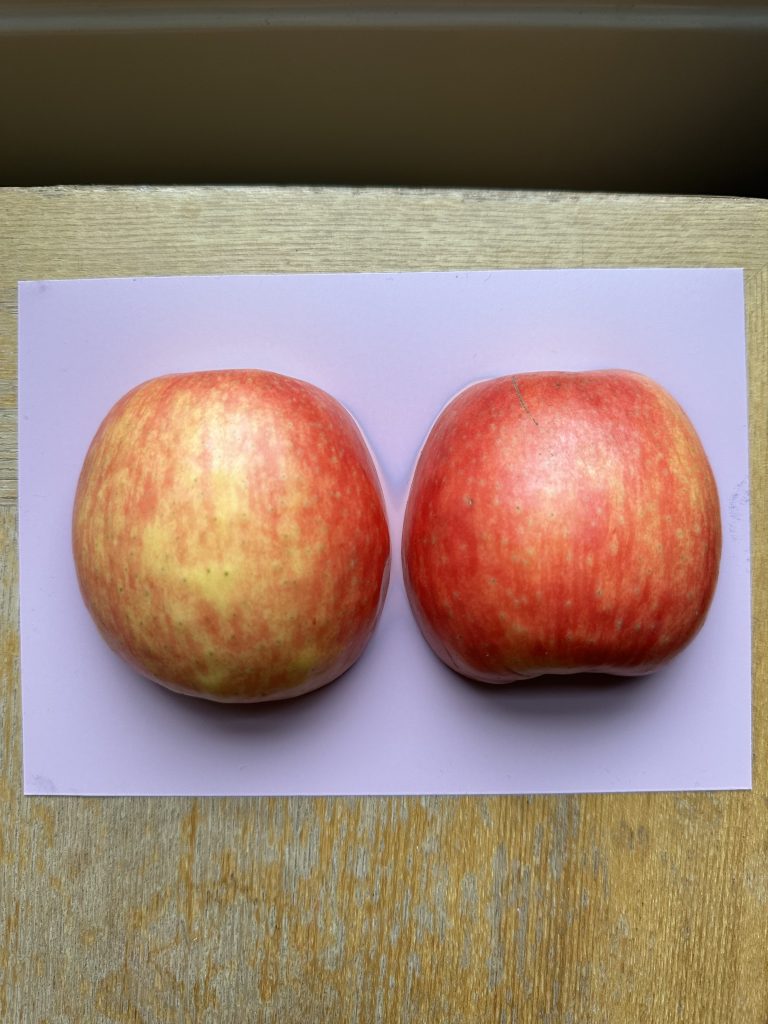
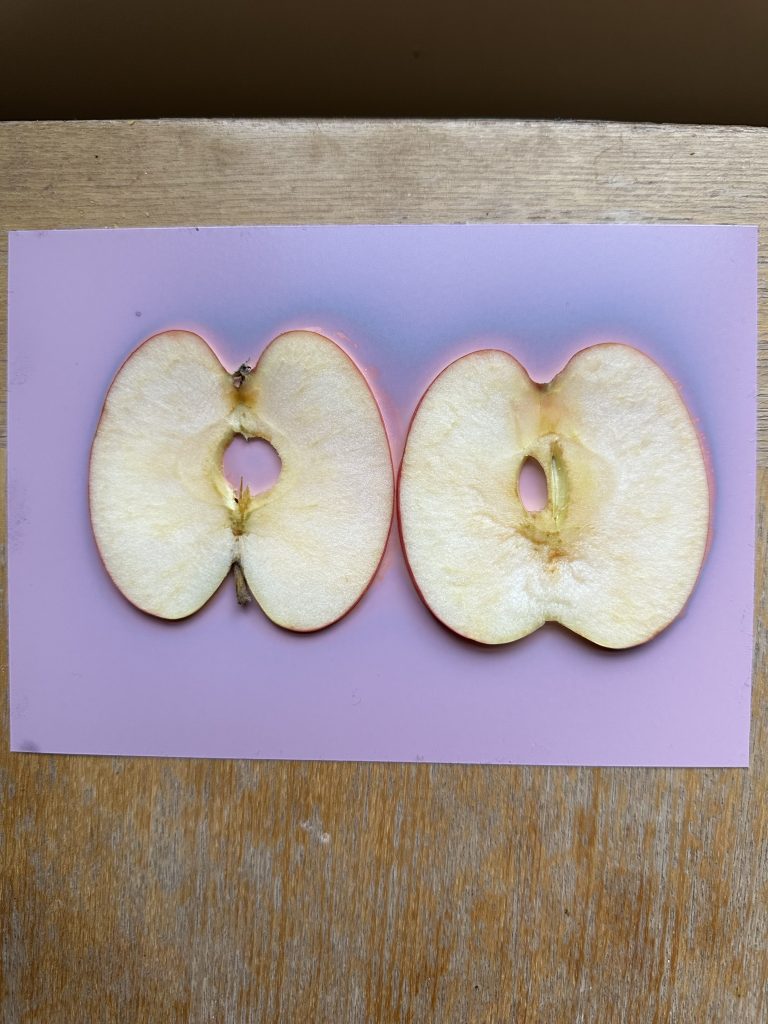
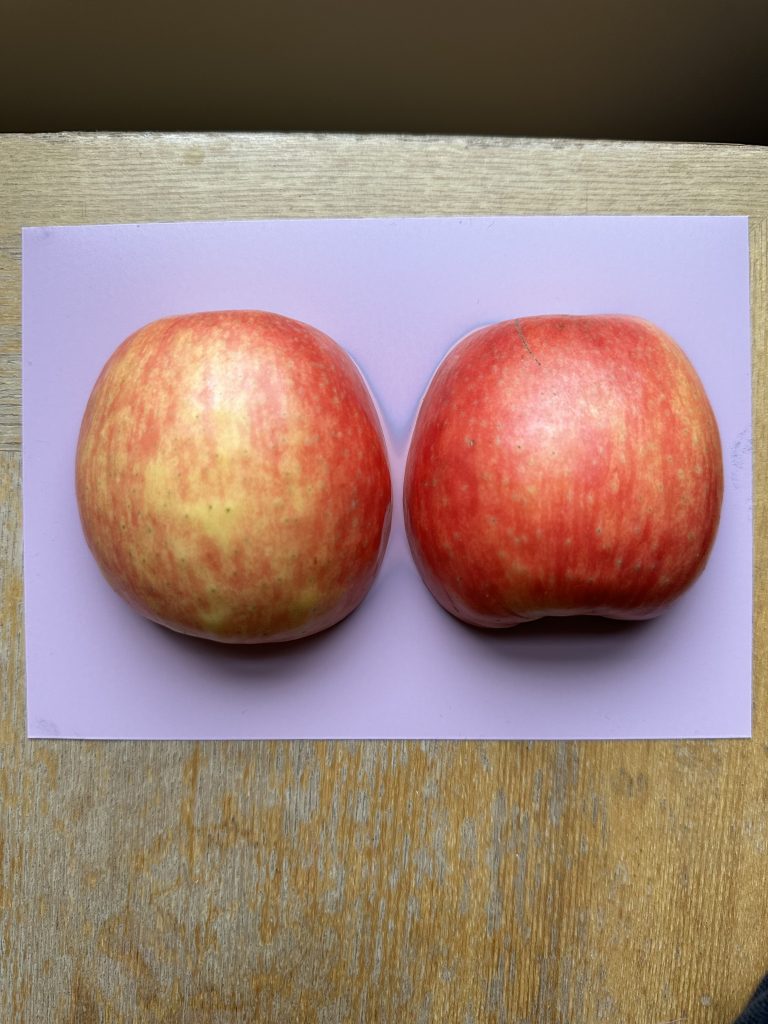
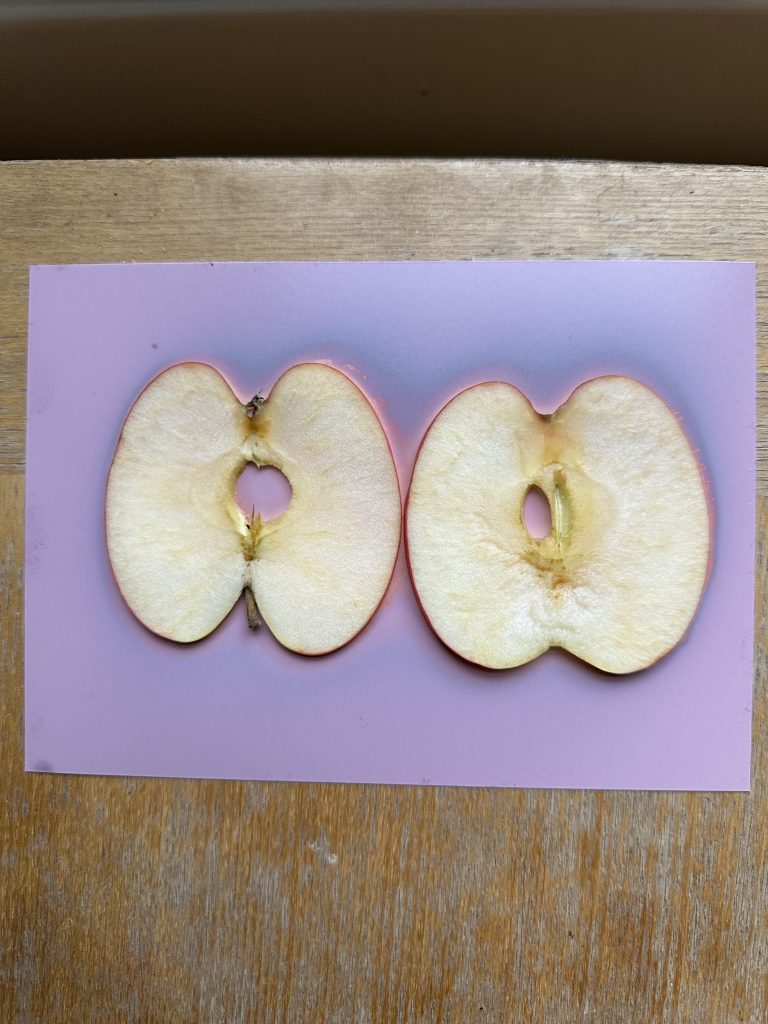
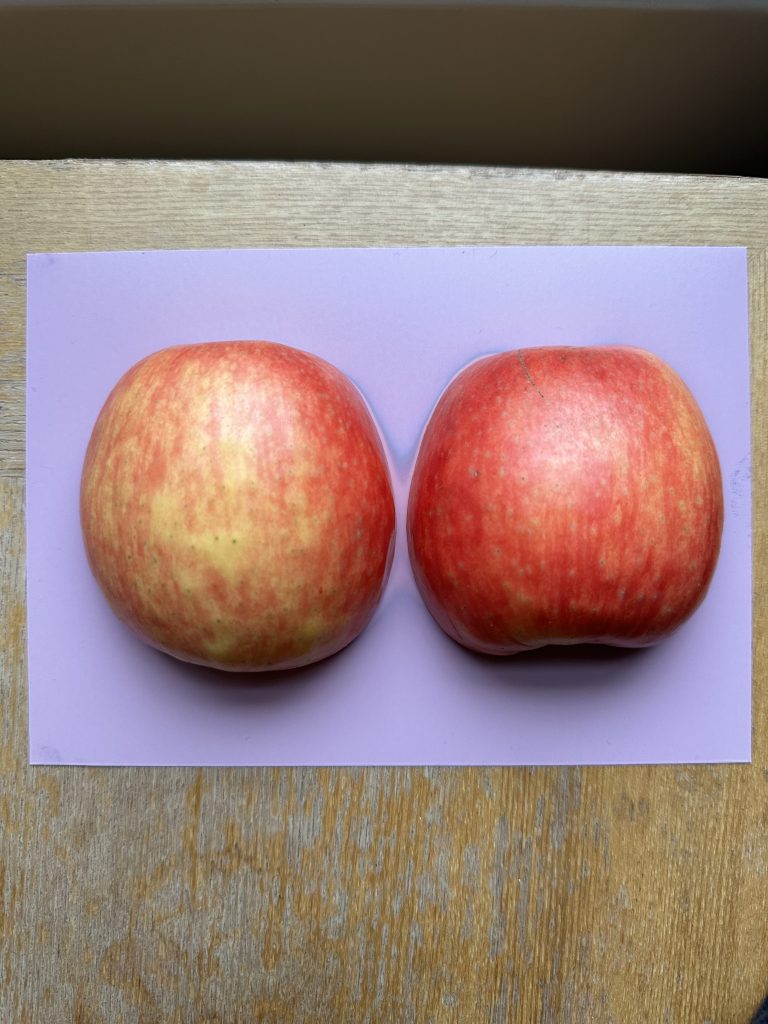
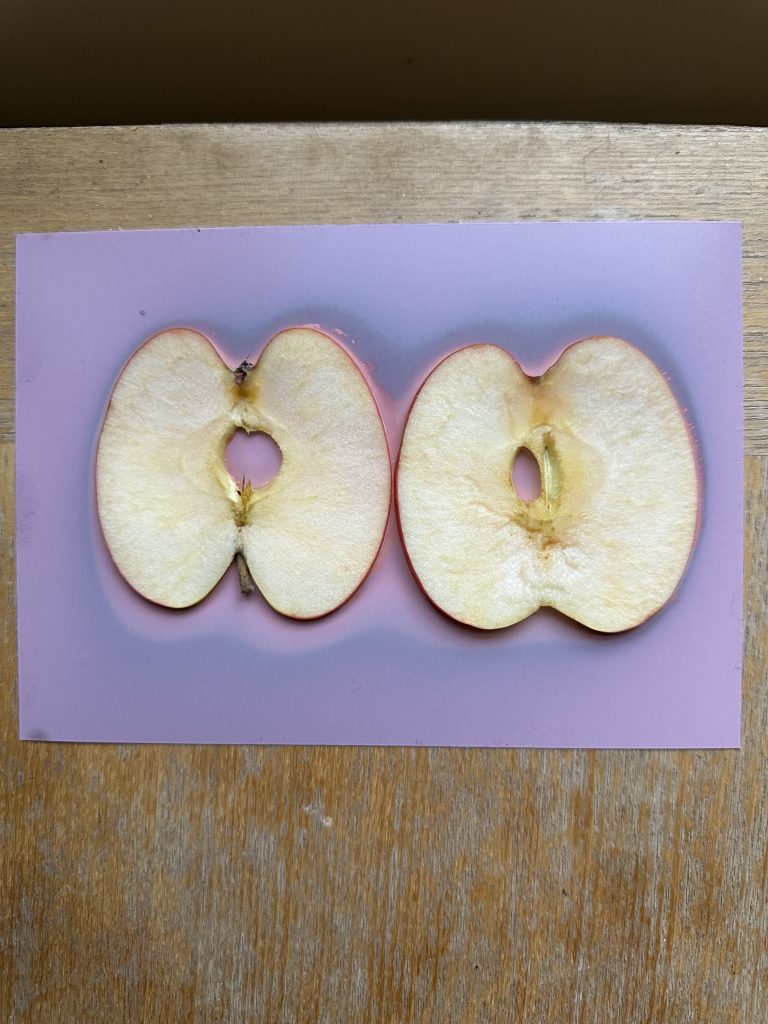
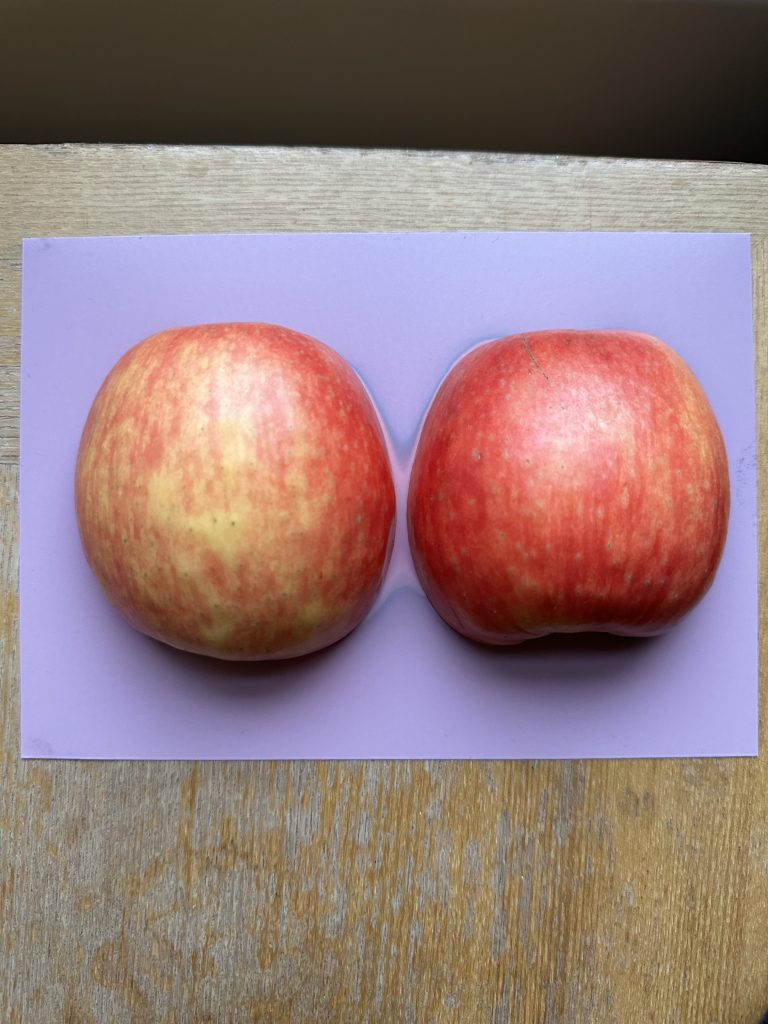
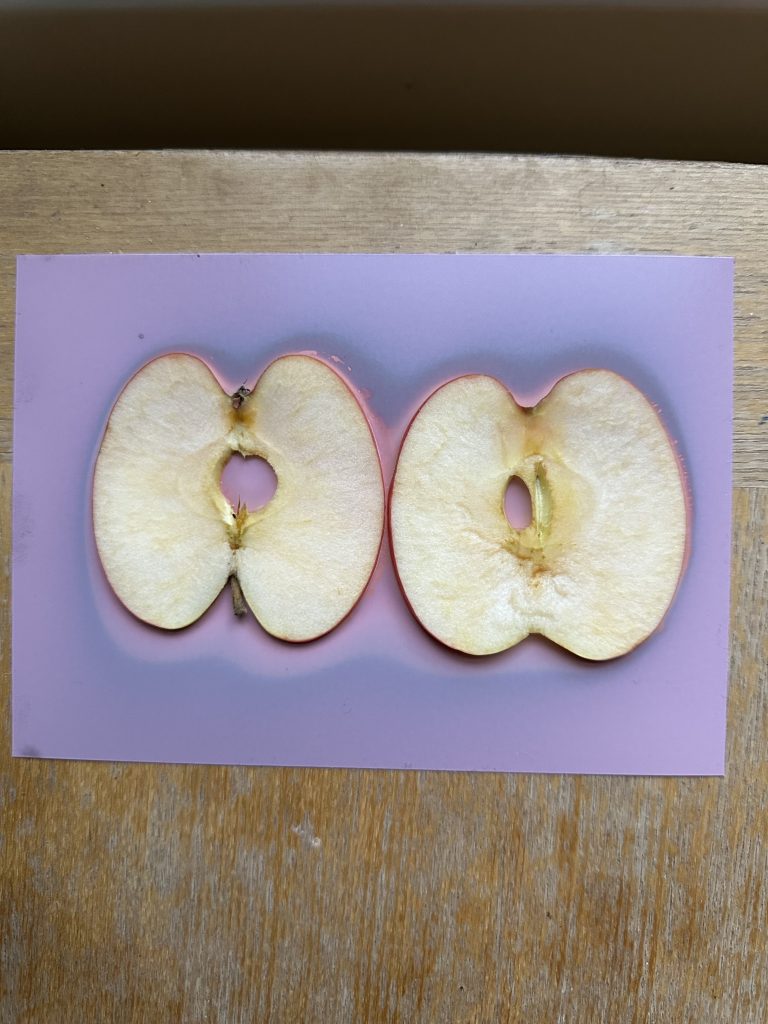
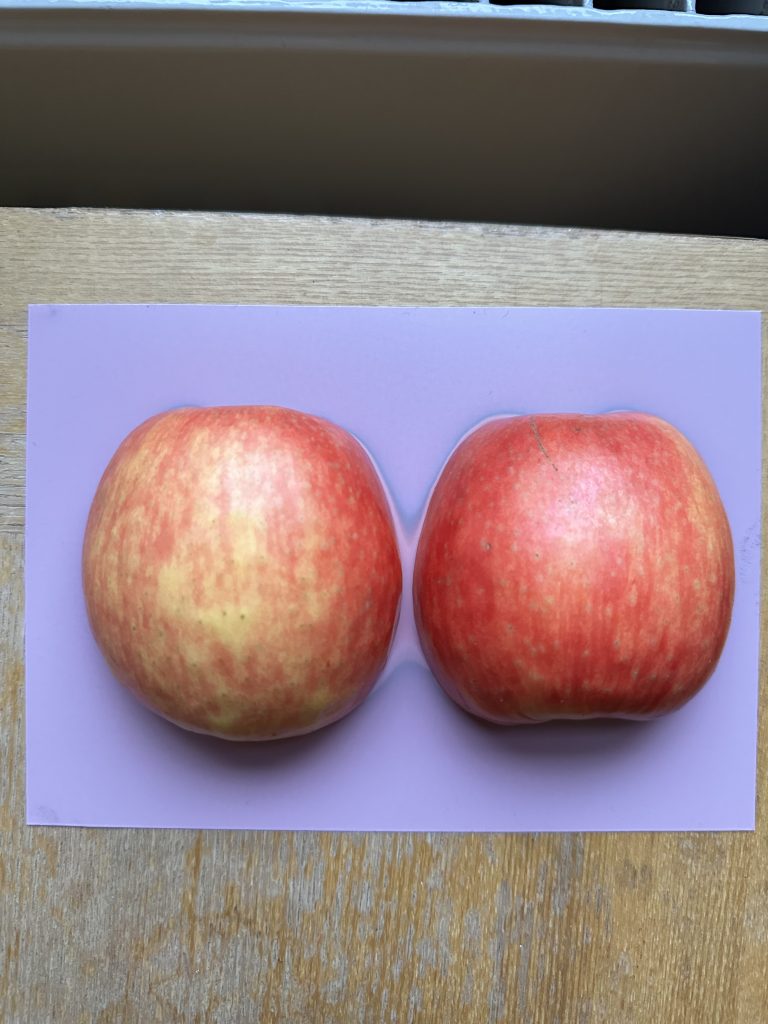

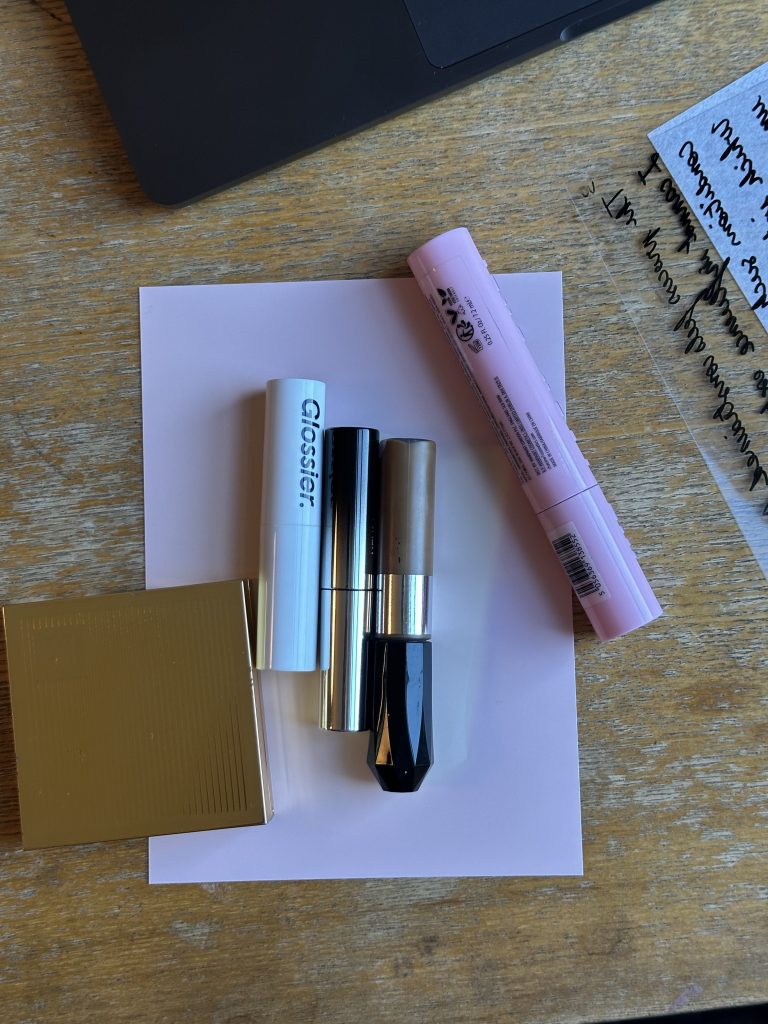
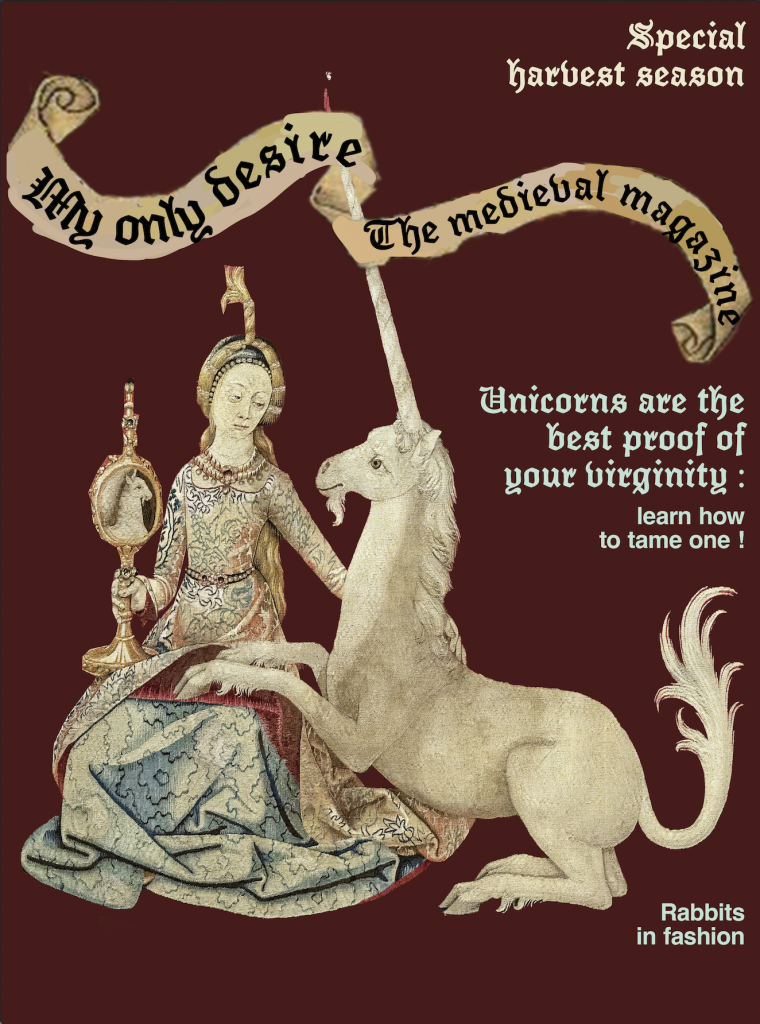
I tried parodying a modern magazine cover to highlight societal expectations placed on women’s bodies.
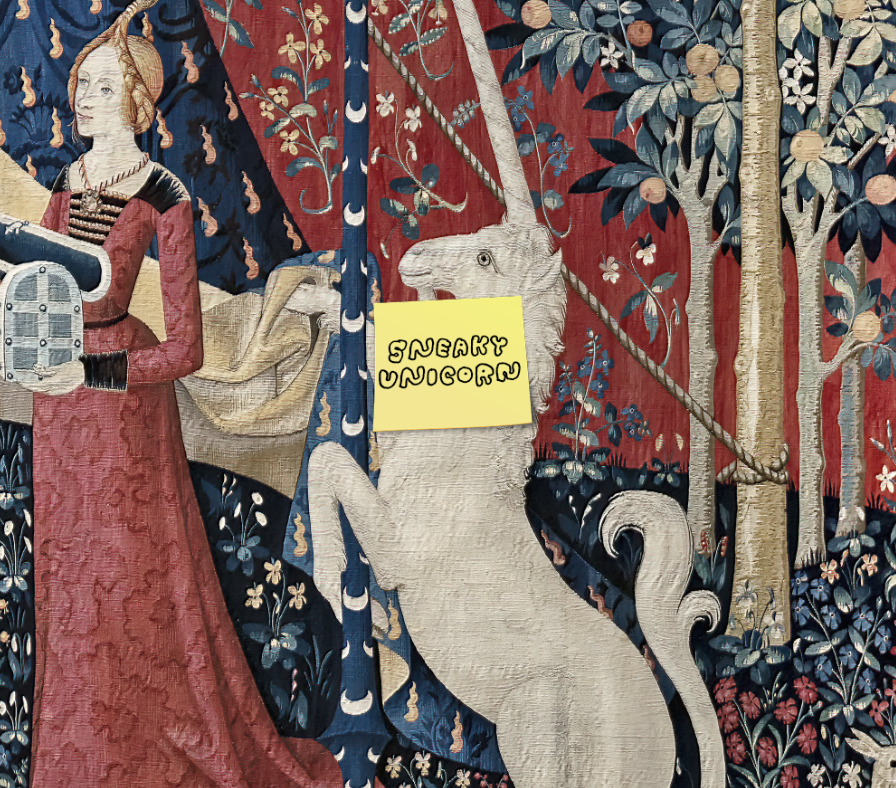
Modern interpretation using post notes.
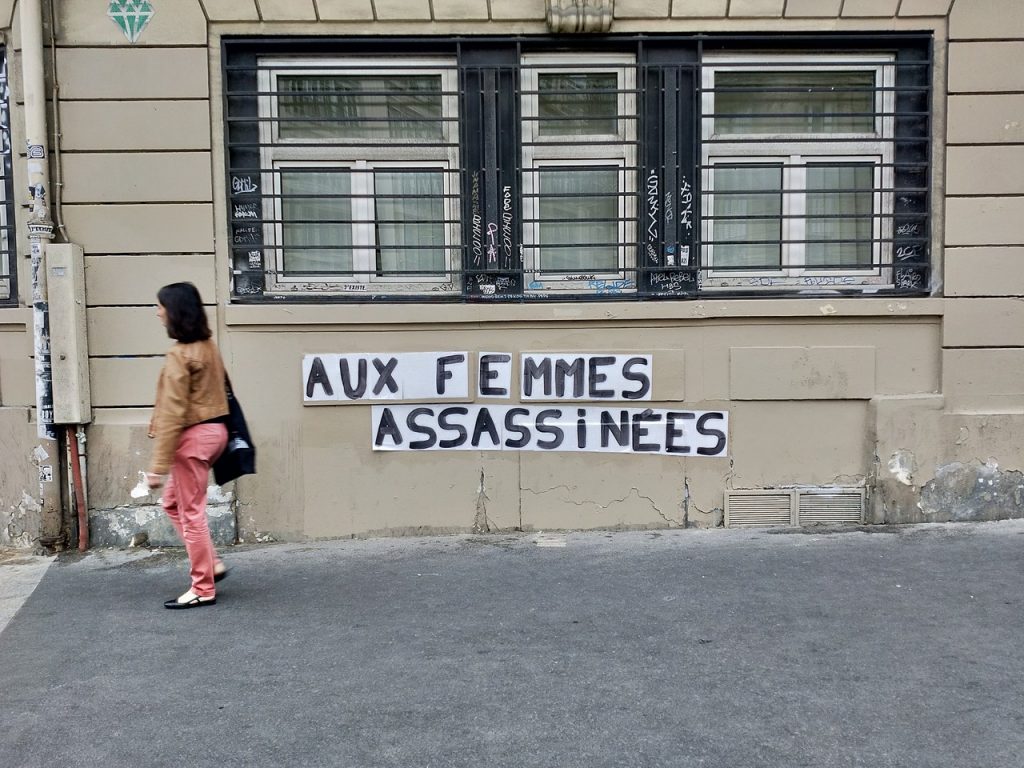
I tried to mimic the protest signs against feminicides.
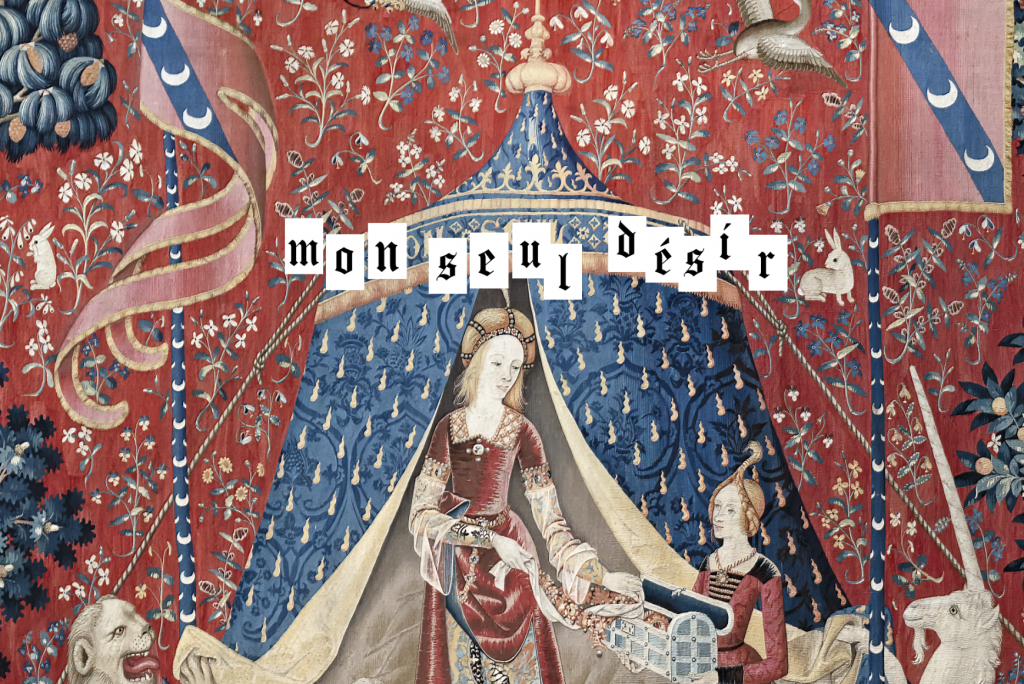
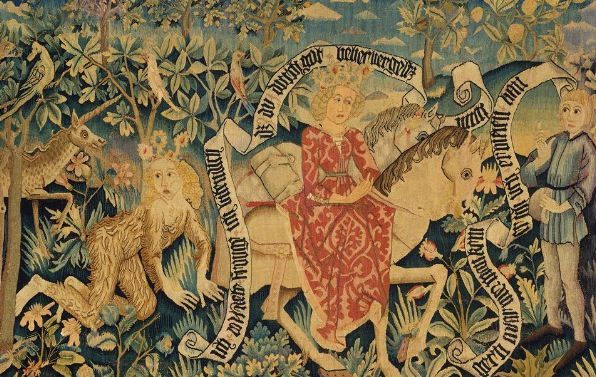
I kept the original tapestry intact and made my drawings as seamless as possible. My aim was not to change the image, but to reveal its underlying meaning. The illustrations blend into the mille-fleurs and the animals, becoming part of the tapestry’s language rather than disrupting it. So I took inspiration of how they tell the story in The Story of the Buzzard tapestry.
Tried drawing like weaving the tapestry, to modifie it.
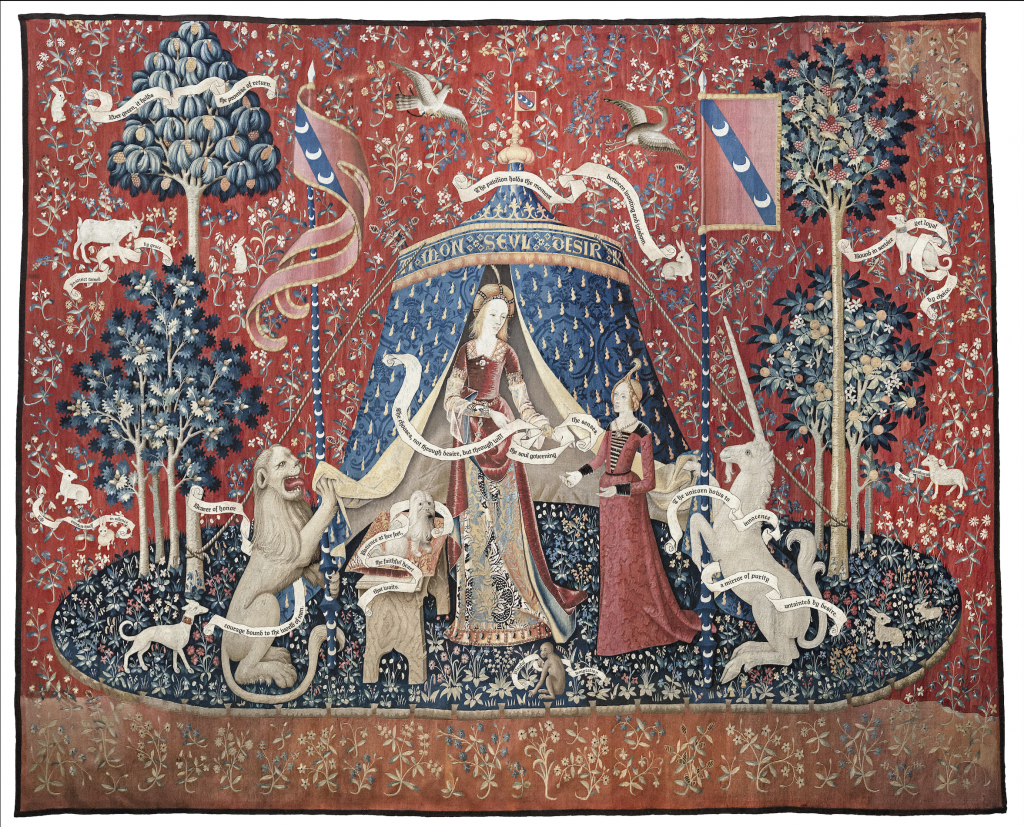
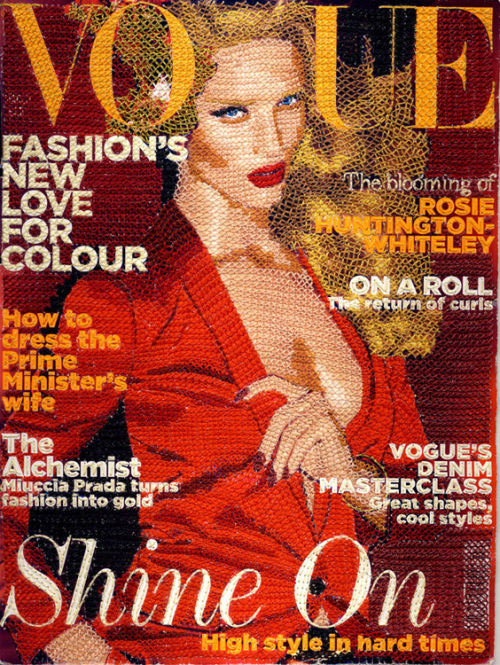
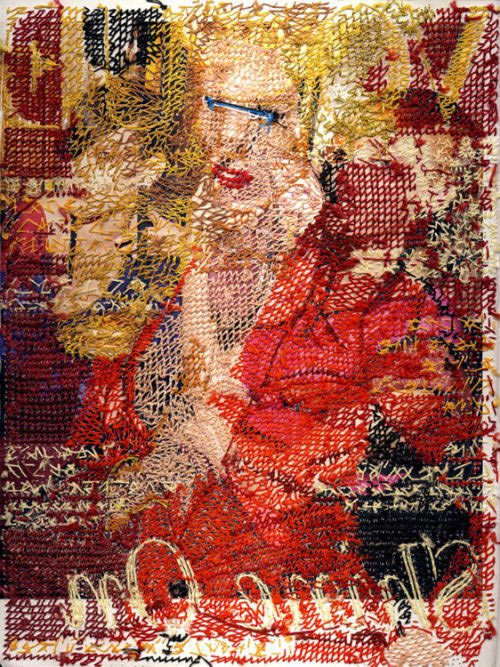
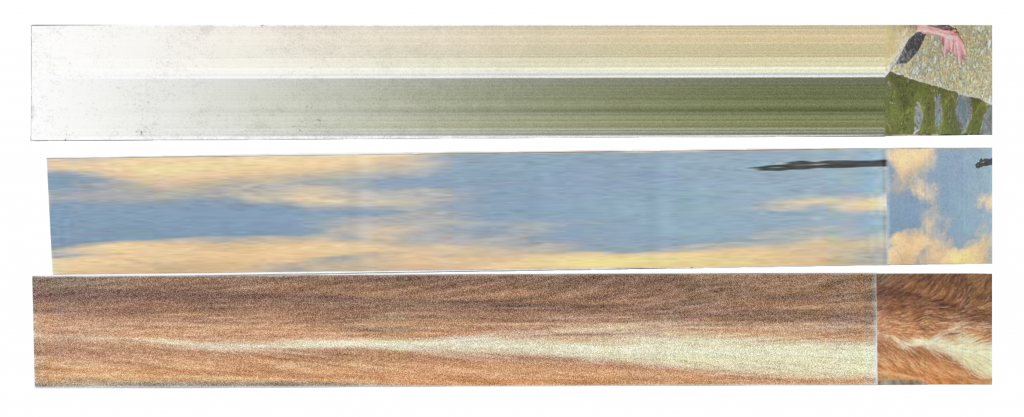
Du ring my research for the magazine cover experiment I went upon this artwork which lead me to do more research on the back of tapestries. I learned that conservators often turn to the back of the textile during restoration. Protected from light exposure, the back preserves pigments that are significantly more accurate than those on the faded front. In this sense, the reverse becomes the most authentic record of the tapestry’s original appearance.
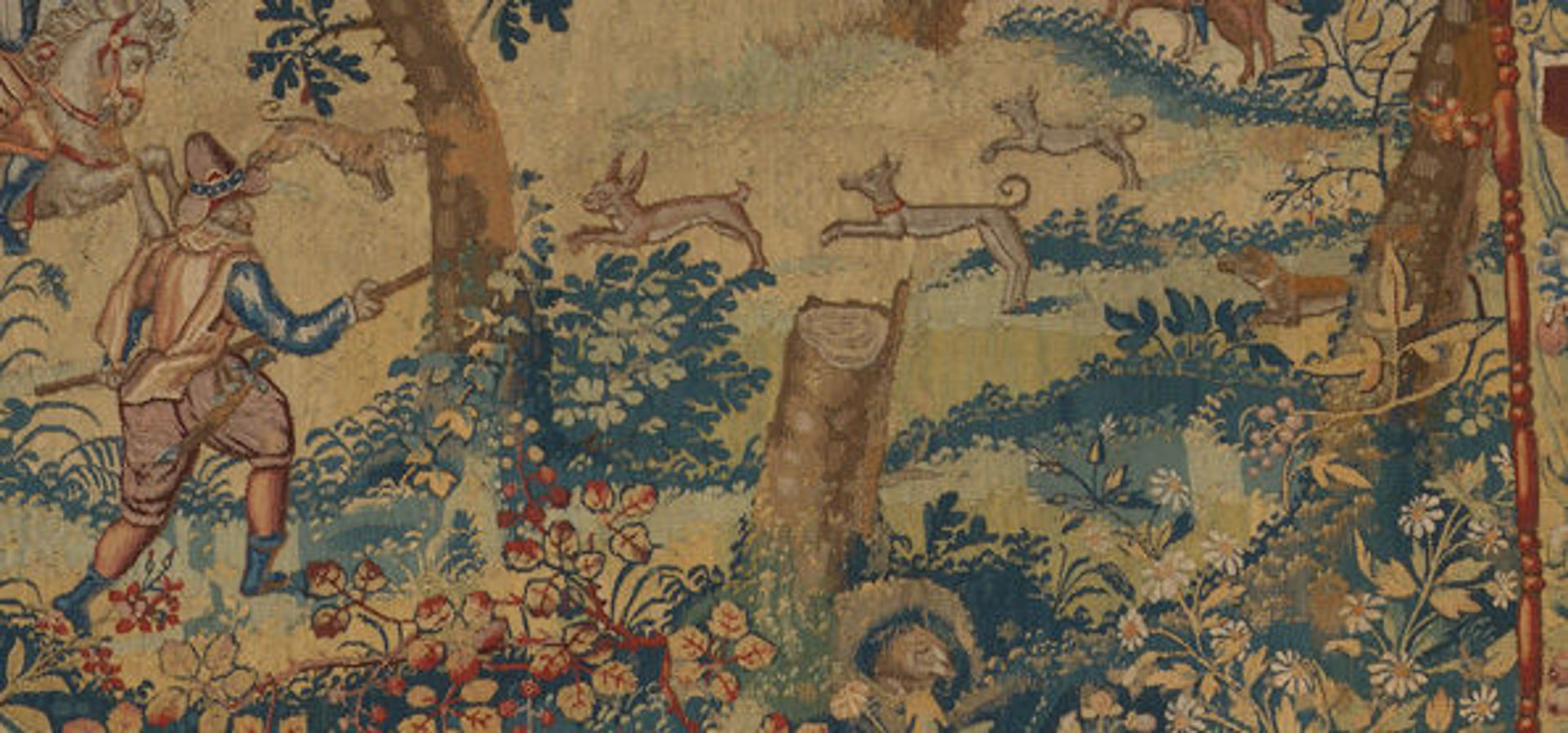
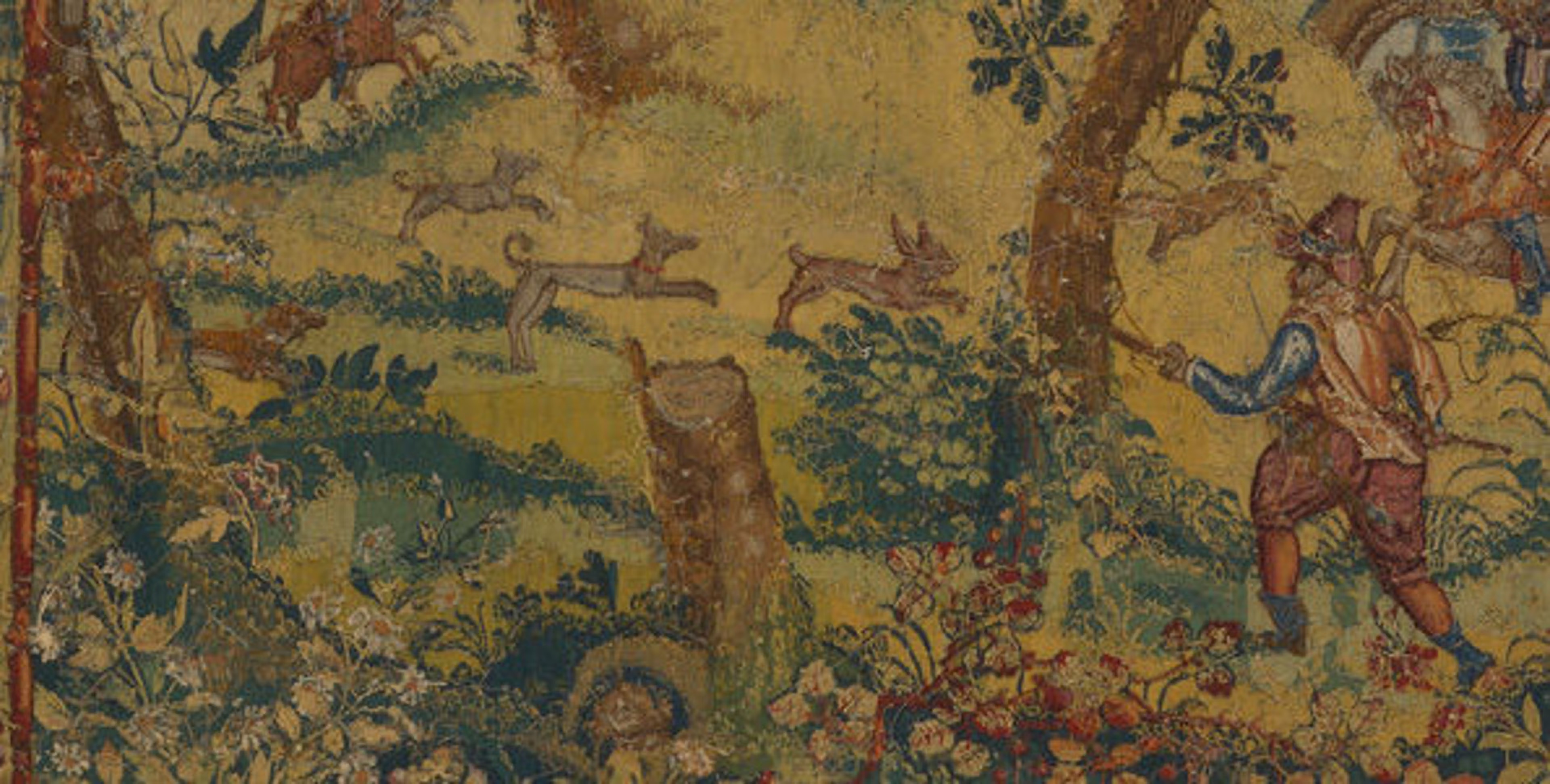
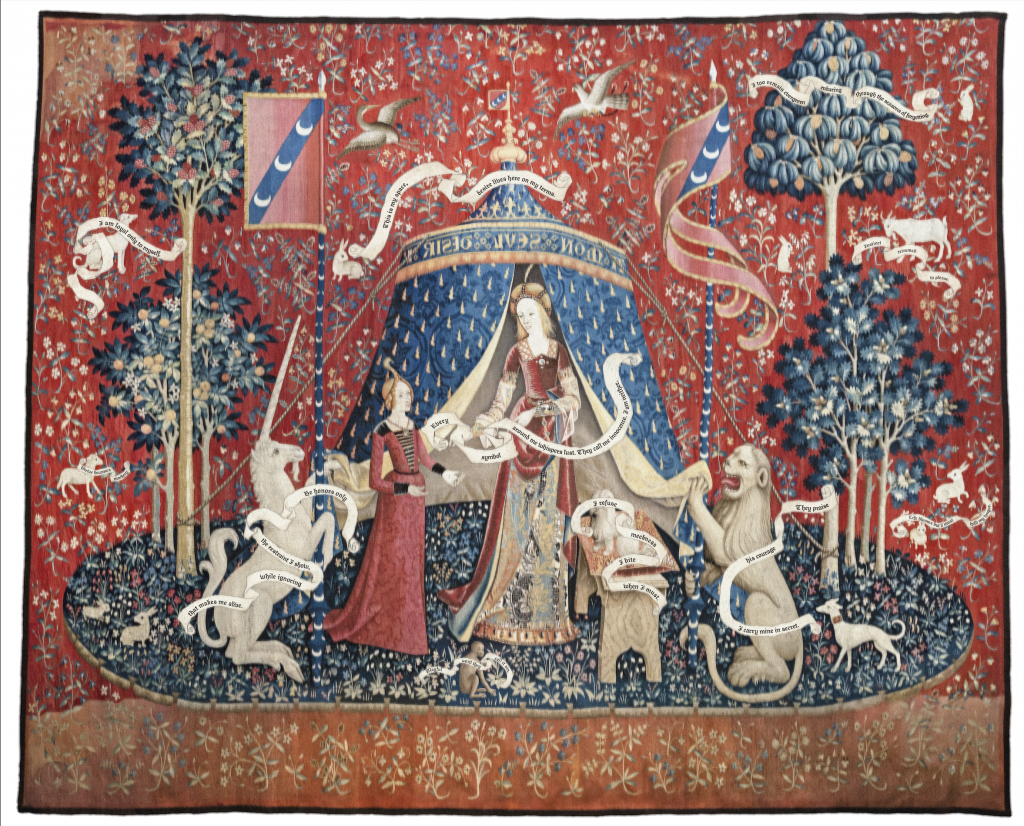
| Lion | Bearer of honor — courage bound to the world of men. | They praise his courage — I carry mine in secret. |
| Goat | Instinct tamed by grace. | Instinct trimmed to please. |
| Rabbits | Life renews itself in silence. | Life blooms but I must hold my tongue. |
| Pine tree | Ever green, it holds the promise of return. | I too remain evergreen — enduring through the seasons of forgetting. |
| Sitting dog | Patience at her feet, the faithful heart that waits. | I refuse meekness — I bite when I must. |
| Pavilion | The pavilion holds the moment between wanting and wisdom. | This is my space, desire lives here on my terms. |
| Dog | Bound in service yet loyal by choice. | I am loyal only to myself. |
| Lamb | Sacred meekness | Virtue becomes mockery |
| Unicorn | The unicorn bows to innocence, a mirror of purity untainted by desire. | He honors only the restraint I show, while ignoring all that makes me alive. |
| Monkey | Playful temptation | Playful, until they call it sin. |
| Lady | She chooses, not through desire, but through will, the soul governing the senses. | Every symbol around me whispers lust. They call me innocence. |
Transforming the tapestry’s traditional symbols into the Lady’s own voice reframes her from a passive emblem of virtue into a conscious, resisting subject.
The Lady goes from witness to critic of the double standards : surrounded by animals, flowers, and erotic symbols, she is still treated as a “pure” object.
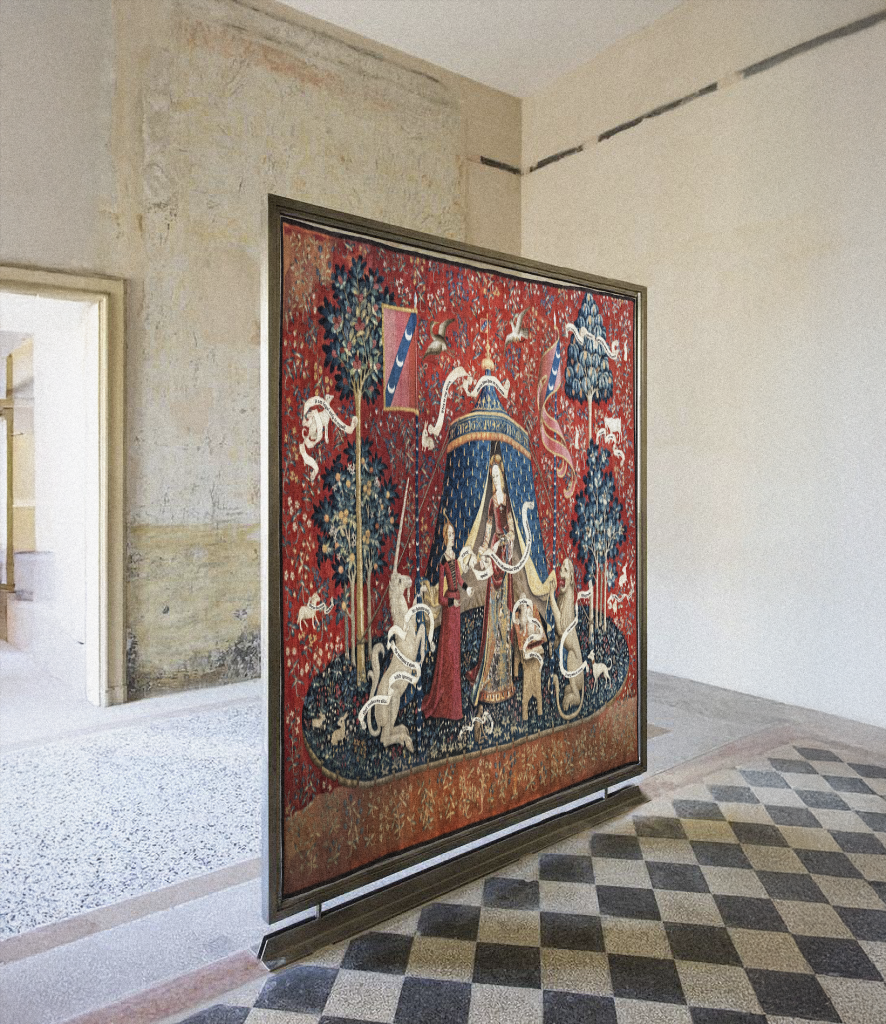
An exhibition designed so visitors can move freely around the tapestry, allowing them to approach its details up close and view both the front and the back.
Tapestries woven in the Middle Ages were mainly intended to decorate civil residences and religious buildings.
Initially inspired by religion to educate the people, medieval tapestries became more prestigious towards the end of the 14th century, depicting stories illustrating the life of their owner. They were arranged in sets. The Bayeux Tapestry and The Lady and the Unicorn are masterpieces of this period.
The tapestries accurately reflect the social and political aspects of society in past times. They are images full of mystery that freeze time.
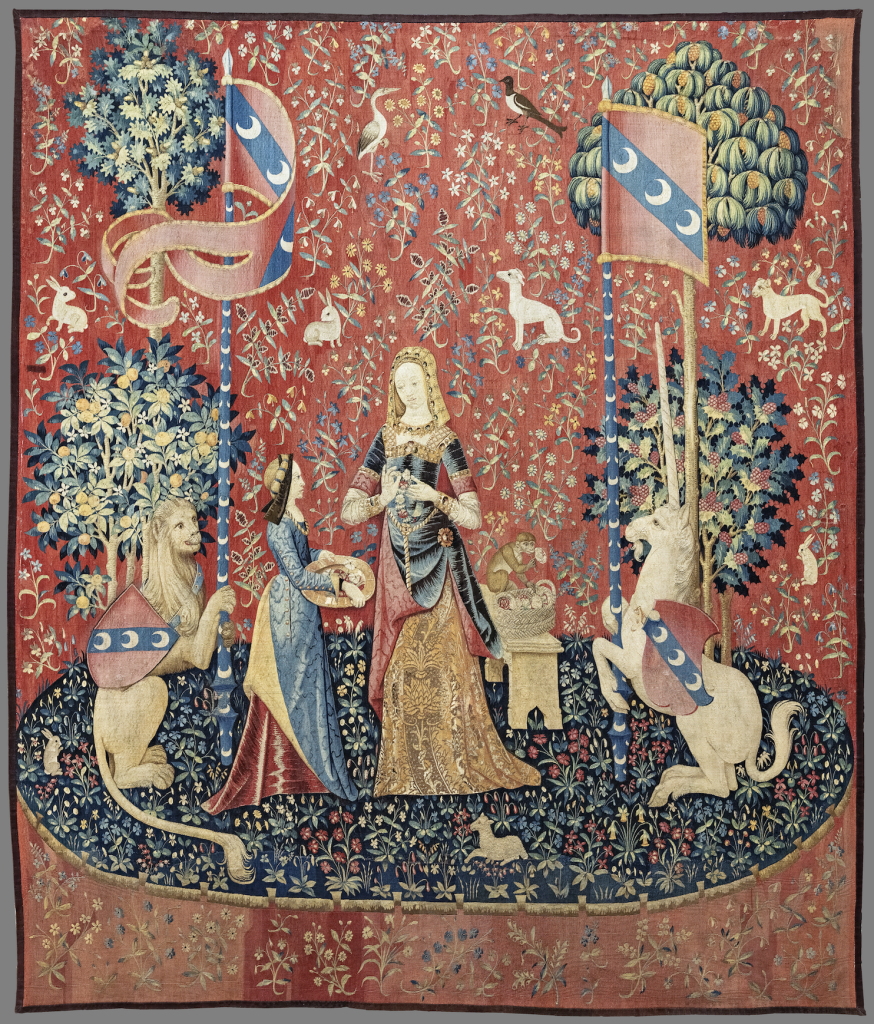
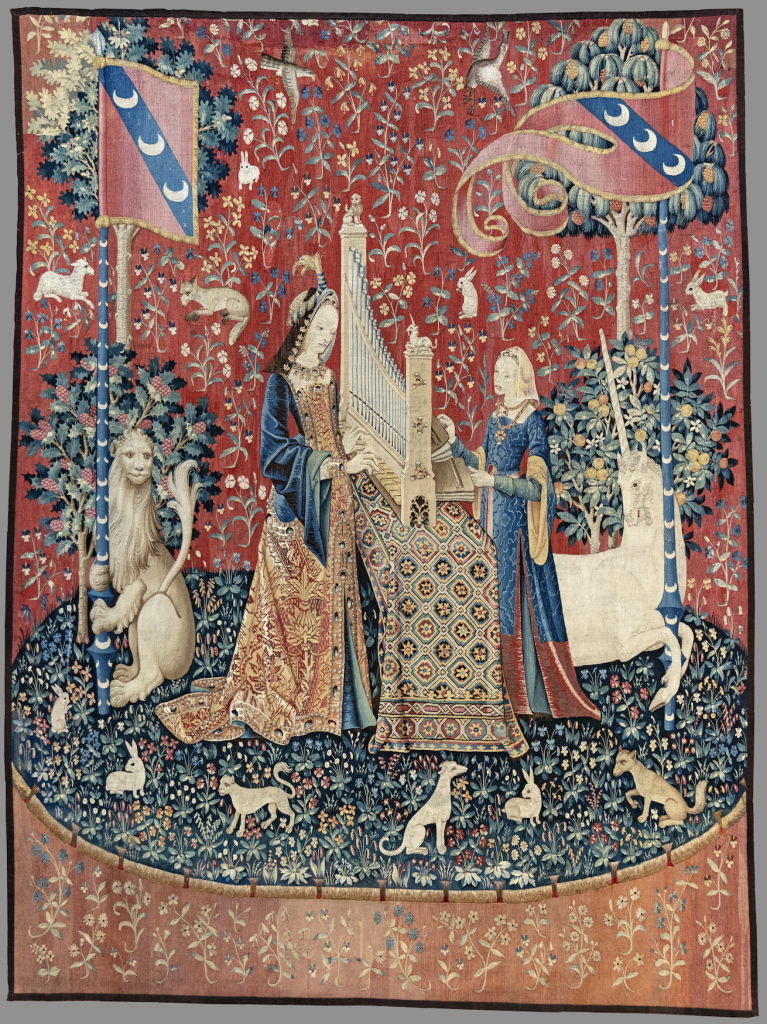
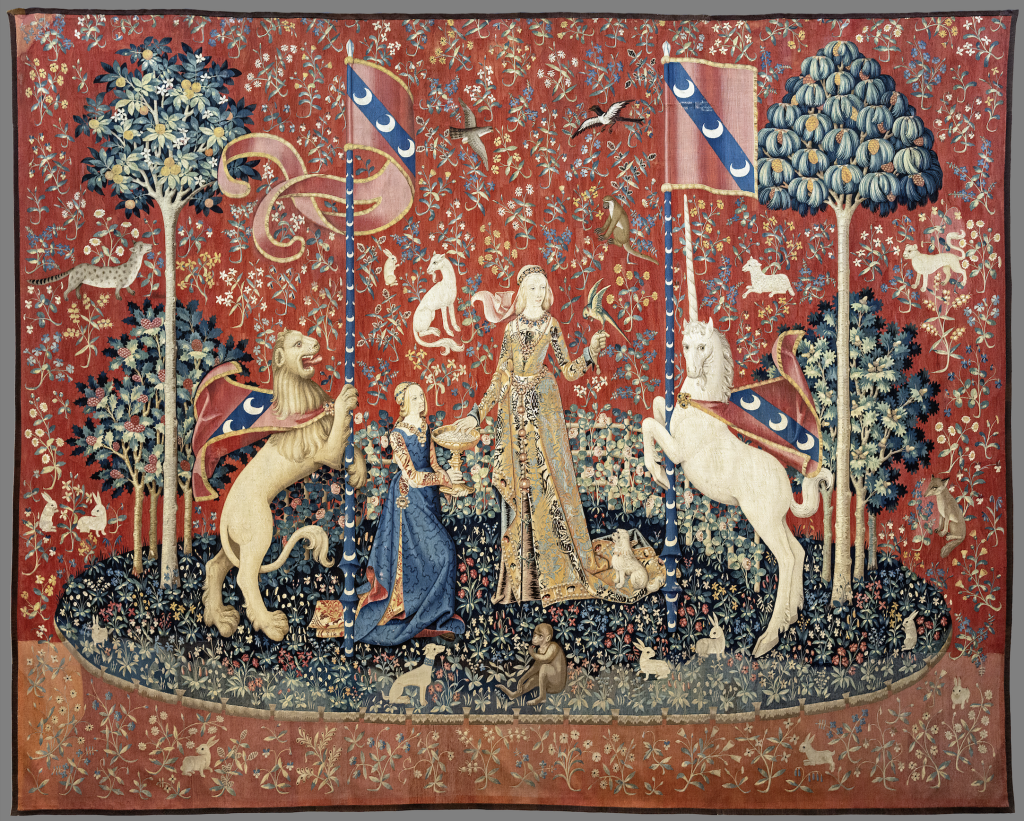
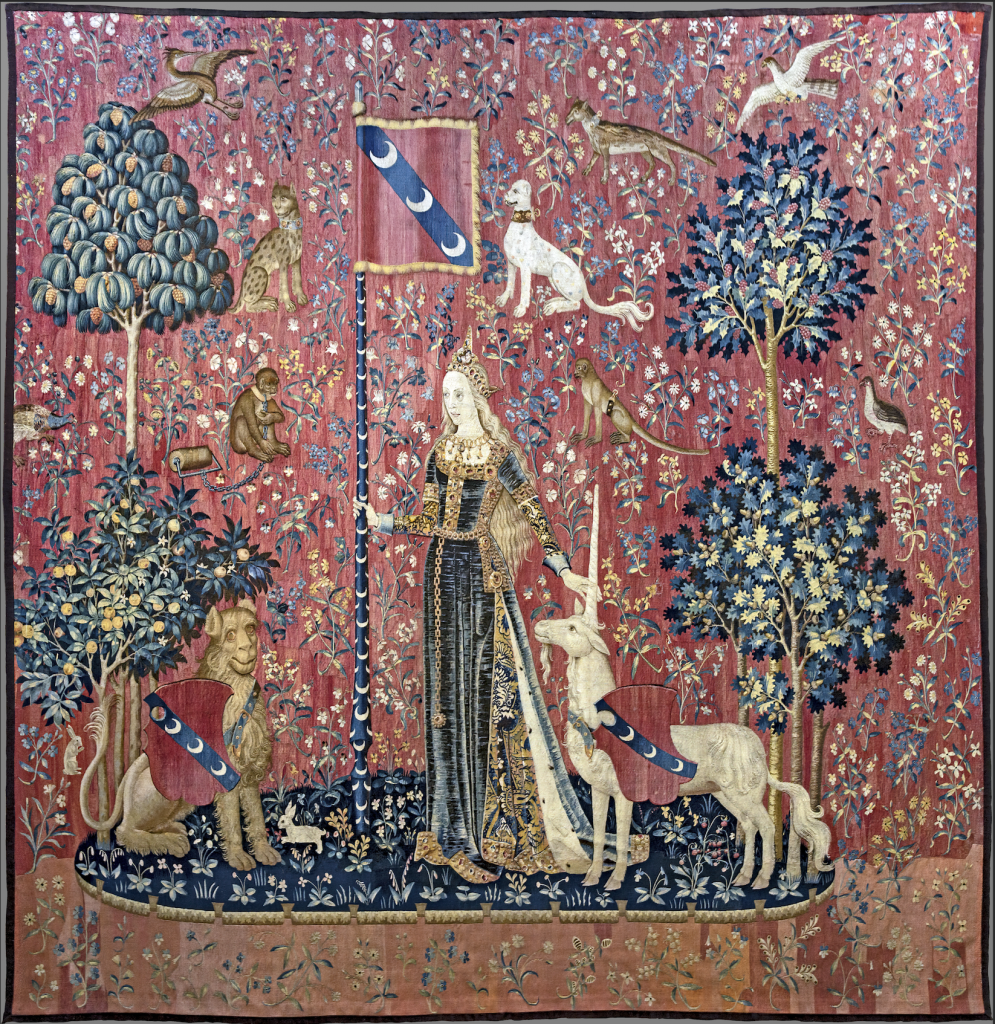
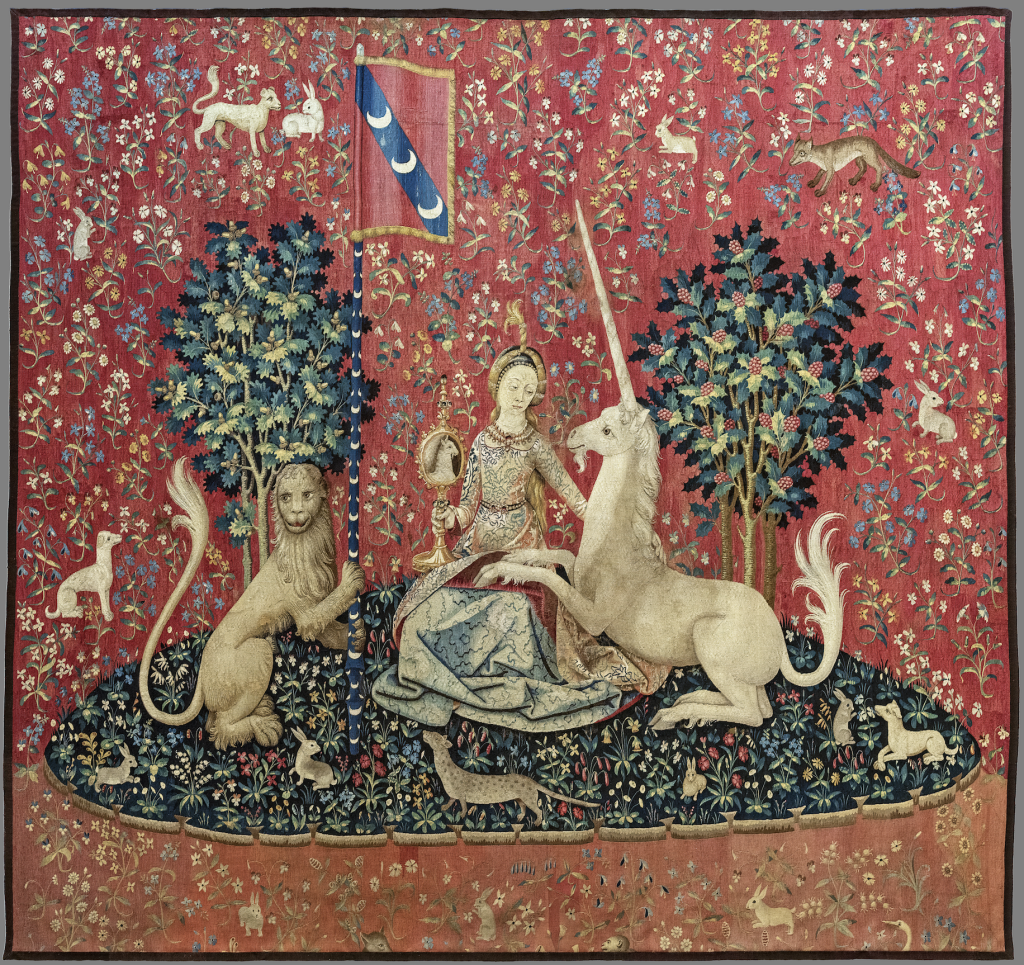
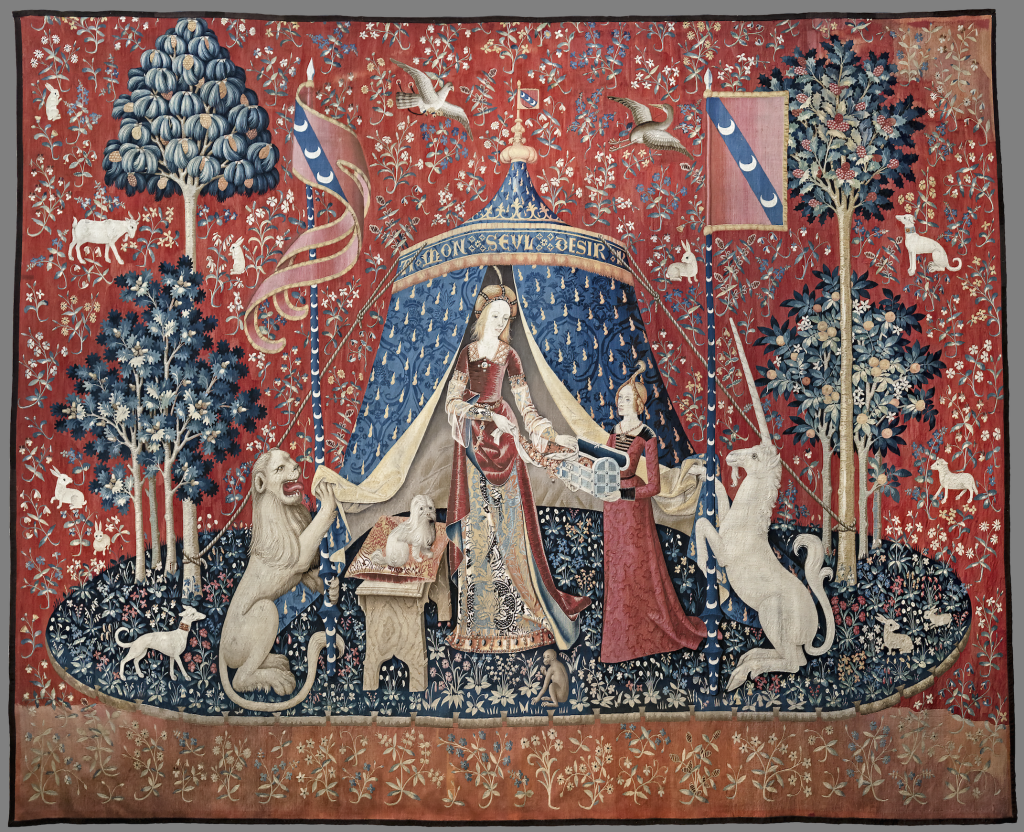
The tapestry known as The Lady and the Unicorn is a series of six tapestries from the early 16th century. A masterpiece from the early French Renaissance, it is kept at the National Museum of the Middle Ages-Thermes and Hôtel de Cluny in Paris.
Five of these representations form an allegory of the five senses, symbolised by the lady’s occupation :
The sixth tapestry, representing the sixth sense, can only be interpreted by deduction from the hypothesis of the five senses. Framed by the initials A and V or I, the motto ‘My only desire’ can be seen at the top of the blue tent.
1. Translation of the language of heraldry
My first method would be to translate literally what is represented on the tapestries using the iconology of old images where every tree, animal, object has a meaning, and the understanding of the coat of arms, their colours and symbols.
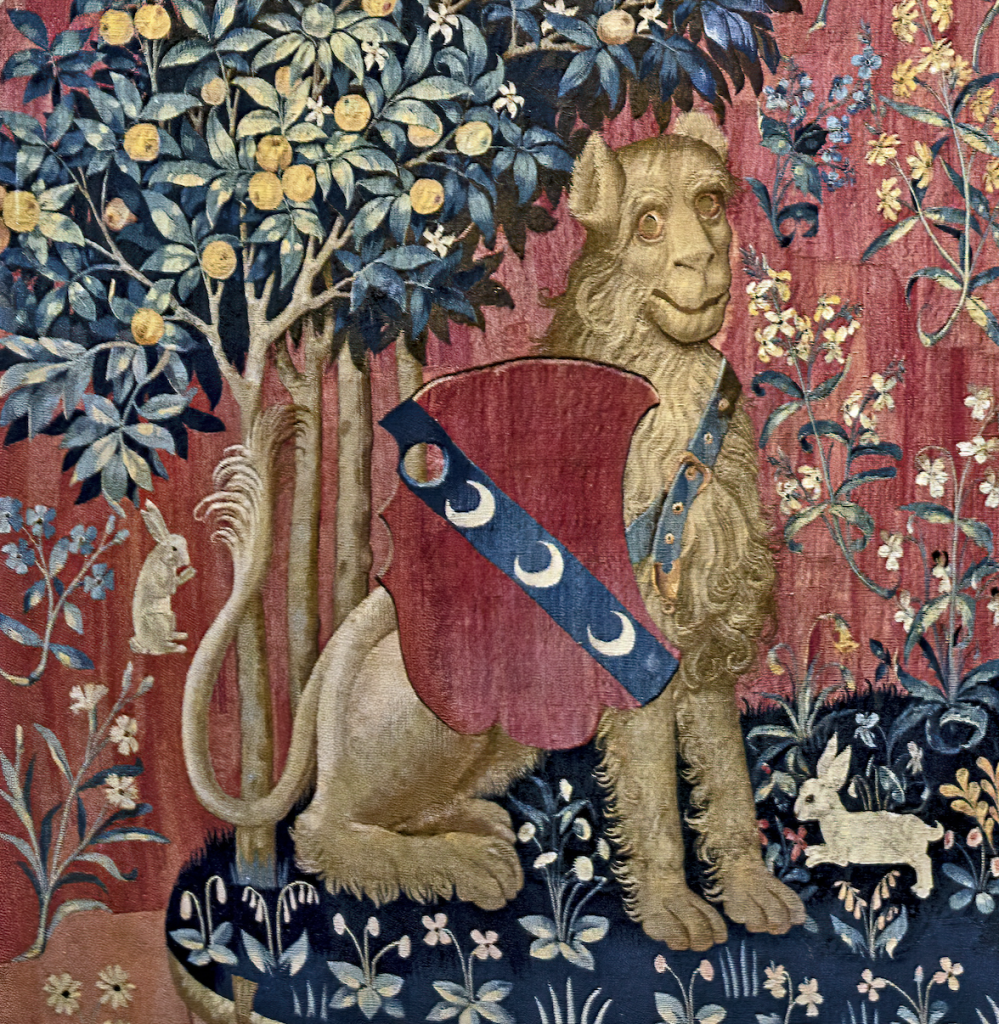
2. My One Desire
The sixth tapestry is still a mystery for historians. The phrase written on the tent can have different meanings in French. It can be translated as ‘My One Desire’ but also as ‘According to my will only’.
Anagrams of the motto can also be found :
DON LE URAI SEMS : Donne le vrai sens Give true meaning
SENS AMOR DEUIL : Sans amour deuil Without love, mourning
LE UI SENS D AMOR : Le VIème sens d’amour The sixth sense of love
The tapestry raises many questions :
3. The Lady
The lady in the tapestry, with her lily-white complexion, ruby lips and golden hair, is a beauty whose praises have been sung in courtly literature since the 12th century. She is not a portrait of a woman who lived in the Le Viste household, but the embodiment of the ideal woman according to medieval standards.
She isn’t the subject of the piece, but only an allegory of the senses, so what of her thoughts, her point of view and her desires?
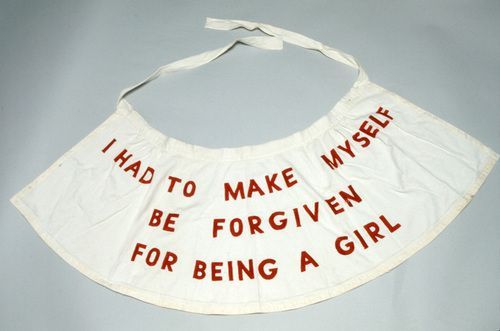
Seeing this tapestry with a feminist point of view, made me think of Louise bourgeois’ work, as part of the ‘New Tapestry’ movement.
The Jean Lurçat Museum of Contemporary Tapestry, in its exhibition ‘Tapestry? From Picasso to Messager’, examines the place and importance of this textile art, as well as its status in contemporary art. For female artists such as Louise Bourgeois, textiles have become a symbol of protest against their status in Western society.
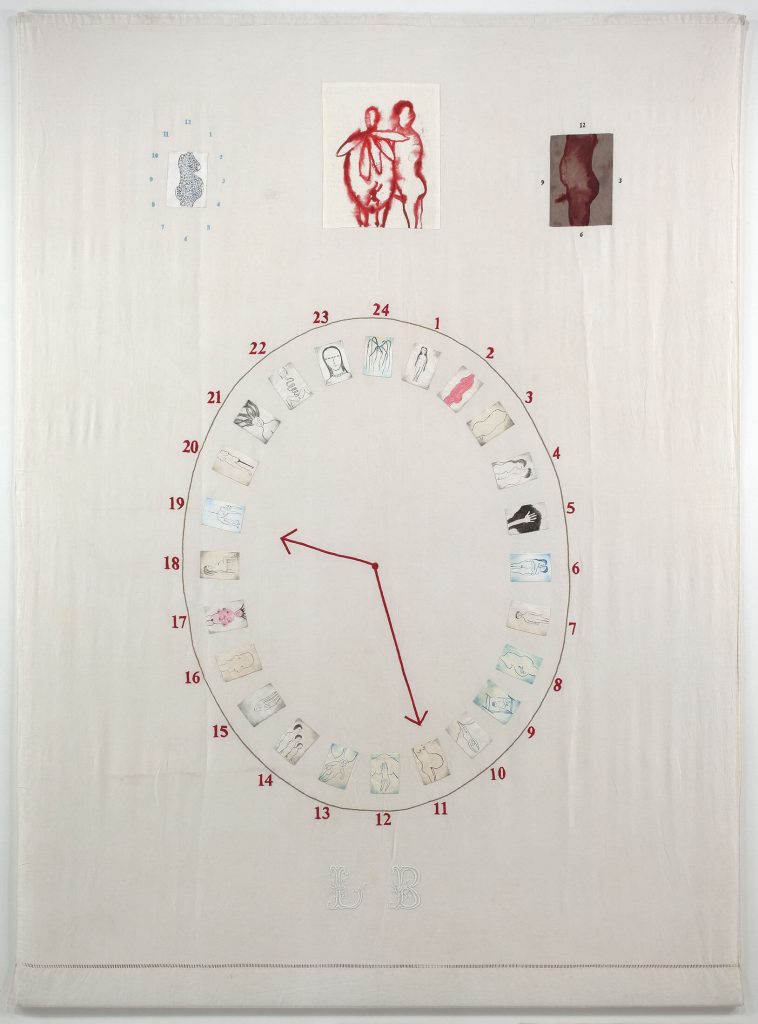
In this artwork, she explores life as a girl, woman, wife, mother, and artist, through her physical and emotional transformation as the hours advance.
4. The unicorn
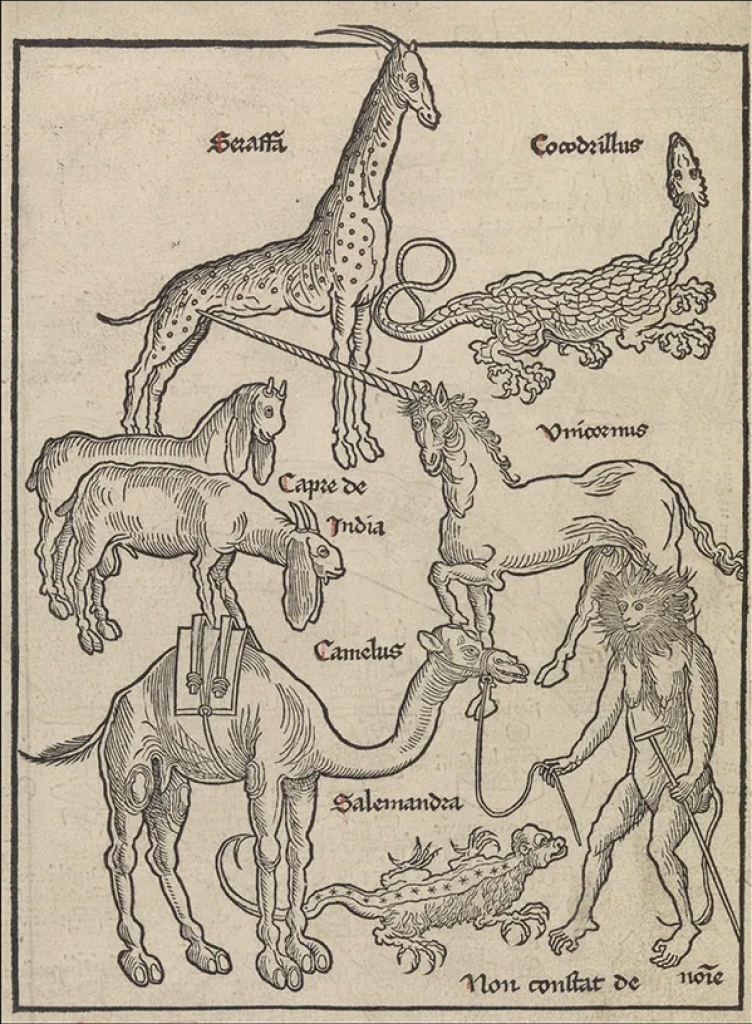
Unicorns were believed to be real animals in Medieval times. Some were supposedly spotted in Mount Sinai. Another print locates their native habitat in the Americas. Eminent scholars and explorers reported seeing this wild animal during their expeditions to distant lands, particularly India. However, it seems that the animal observed by the explorers was in fact the Javan rhinoceros, which has a horn on its skull.
It was in the 12th century that unicorns became a symbol of purity. They were associated with the Passion of Christ and his sign of chastity. Its horn was believed to be an antidote to poison and could purify contaminated water.
The belief was that only a virgin could tame a unicorn, with its reference to sexual innocence and experience
The portrait of the creature is fierce, tender, and pure. He embodies matters of faith, as well as the heart. In wedding portraits, he represents the taming of the beloved.
For this brief I decided to go with the harvard digital collection
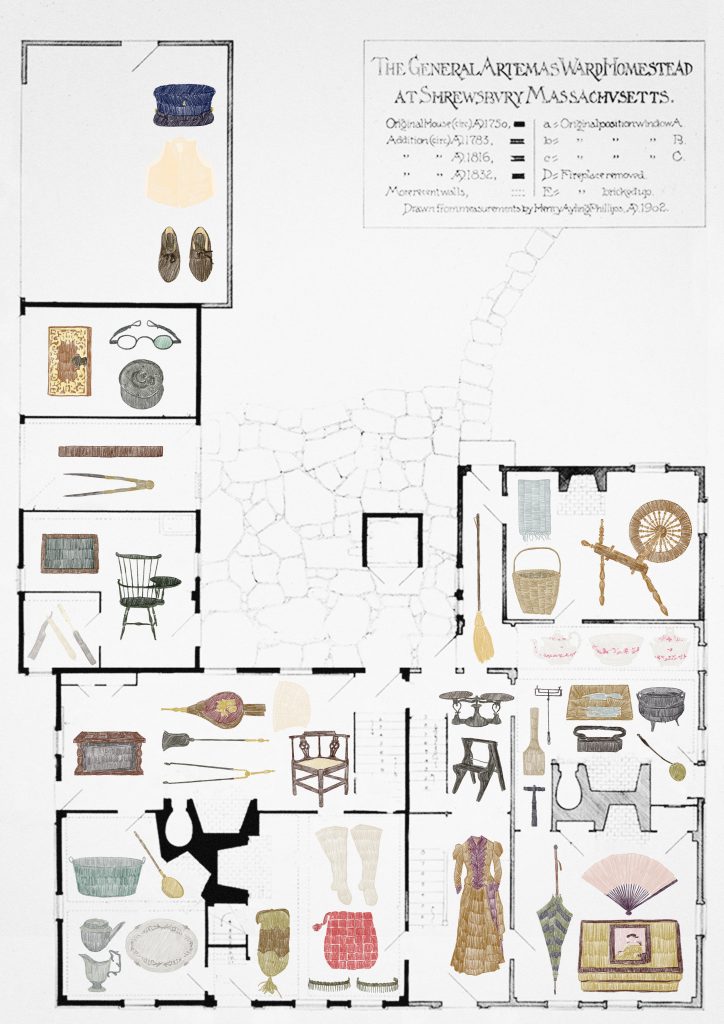
Artemas Ward House and Its Collection which was the House of the first commander-in-chief of the Patriot forces and is nowadays a museum. It was built in the 1720-1730s by his father Nahum Ward and was extended in 1785 and 1830 to accommodate the big family, the farm hands and domestic help.
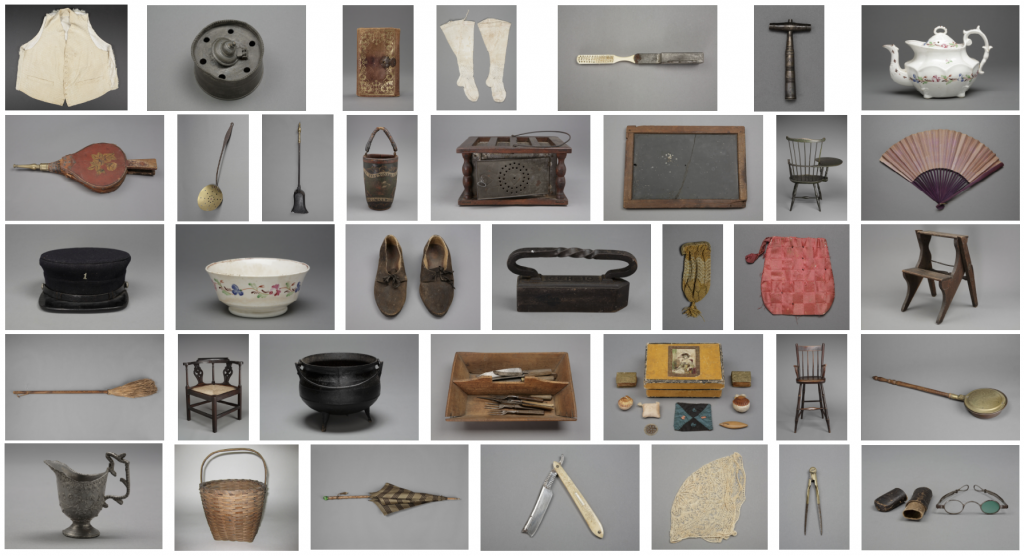
The collection includes everyday objects such as clothing, furniture and household items belonging to members of the family.
The first thing I looked up about Artemas Ward was his family : he had 6 brothers and sisters and had 8 children with his wife.
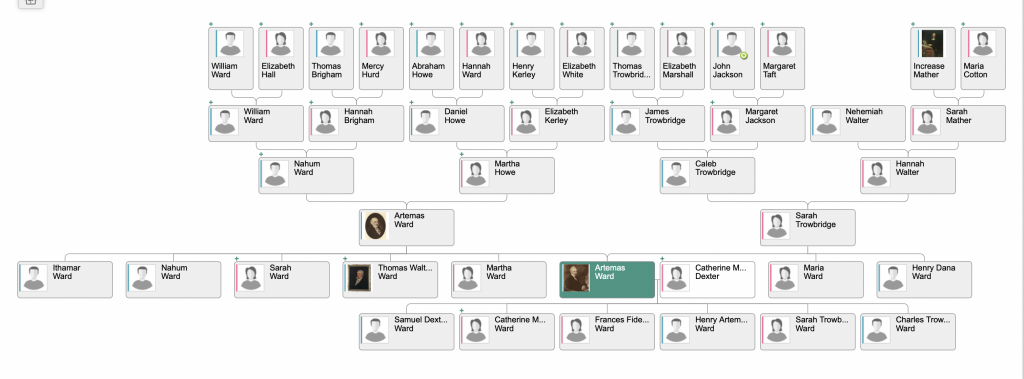
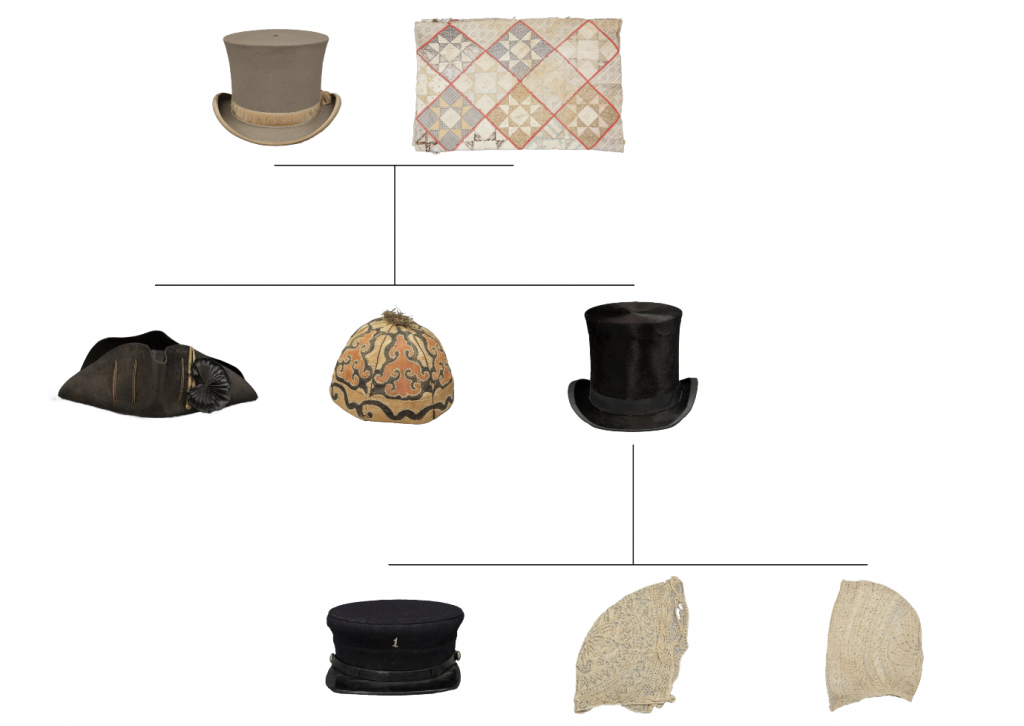
My first experimentation was to catalogue the objects as a family tree, by personifying the objects. Deending on who they belonged to, how they look and what they are used to, I entanded to transform all the objects in as part of a big and intricate family tree.
But because the feedback, I went back to the inquiry, by analysing more in depth the collection itself. Imagine the life they lived from the objects, look more intimately into it, how to reconfigure the set to give it another meaning and purpose.
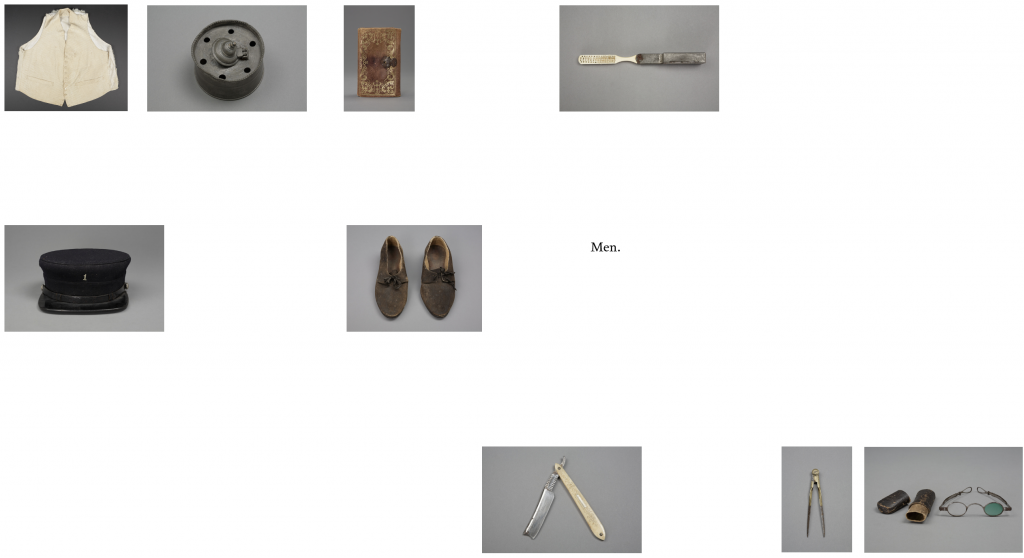
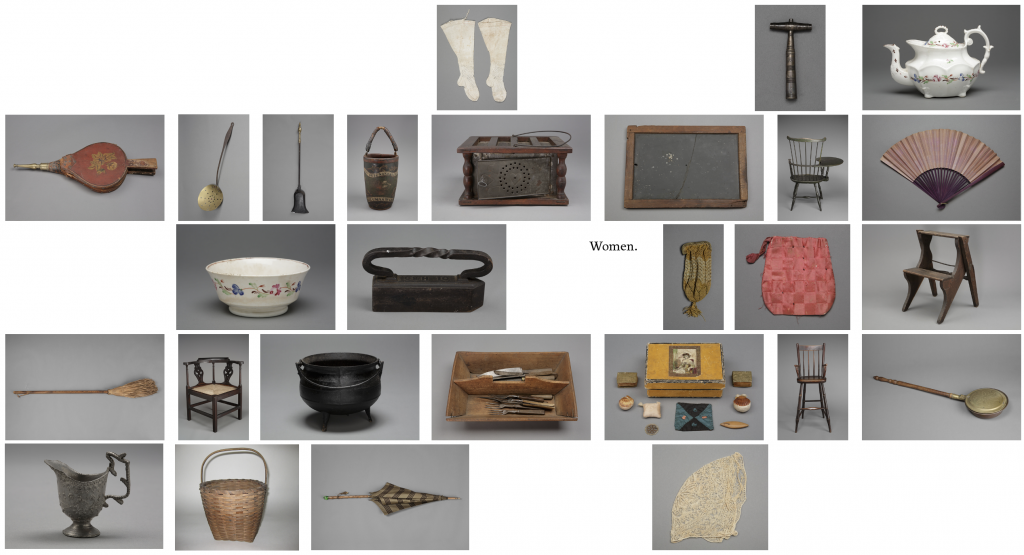
After looking at the materials (wood, metal, textiles, porcelain, beads, leather), the occupations and activities these objects are used for, and the gender and age of family members, I decided to focus on the importance of women in the household.
The house is named after Artemas Ward even if the traces of his existence in the house are rare.
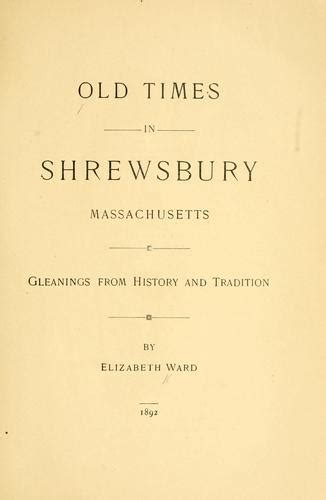
Women of the house, as caretakers, recorded stories of the family and the neighbourhood which were published in the book Old Times in Shrewsbury Massachusetts, Gleanings from History and Traditions.
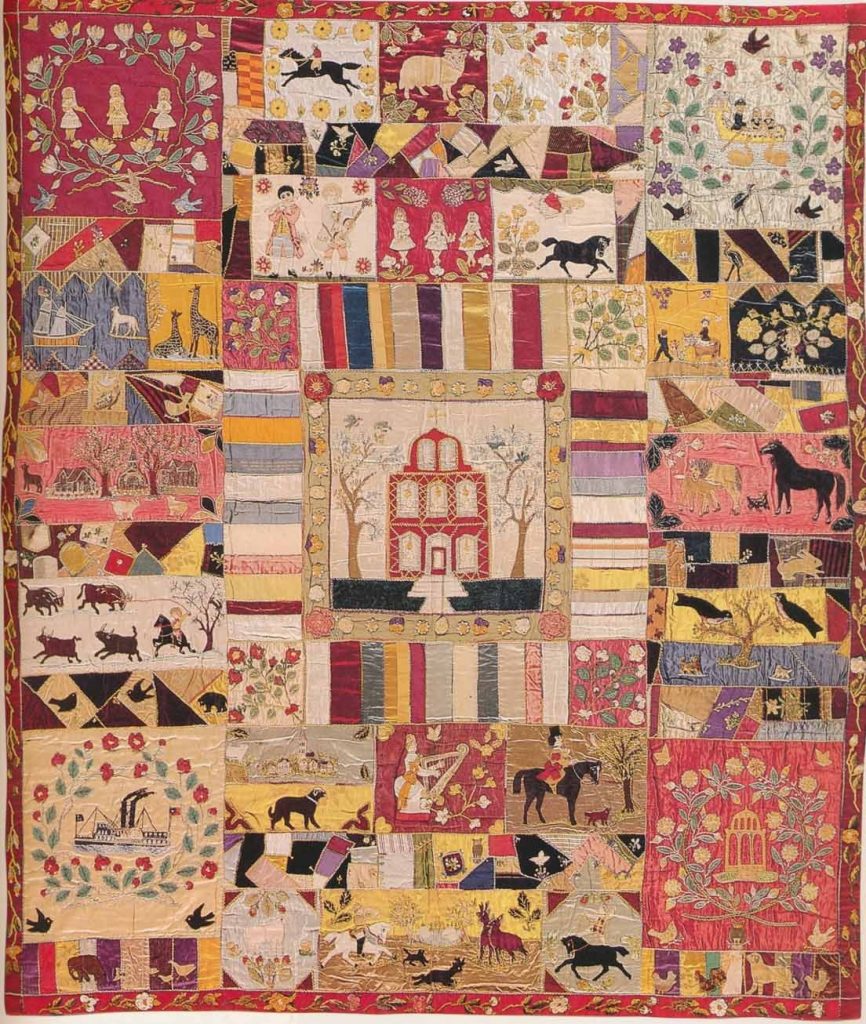
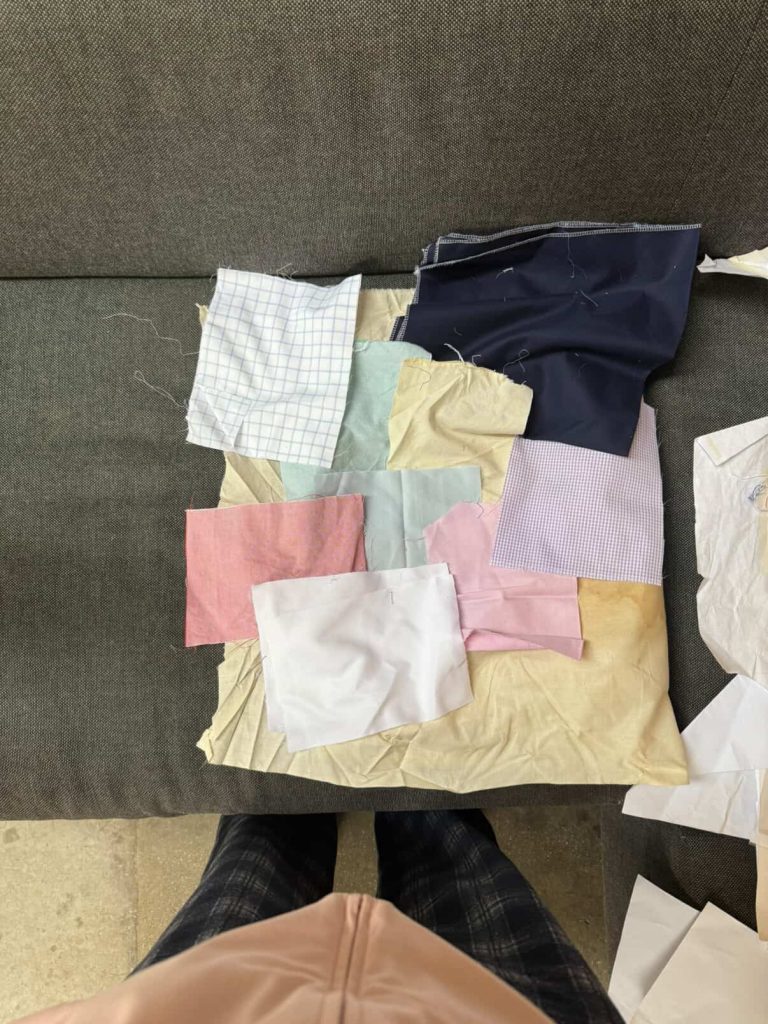
Quilt was common in the late 17th century. It was a decorative display of needle work but also a medium of story telling, solidarity and social change. Some of the intricate design could tell stories.
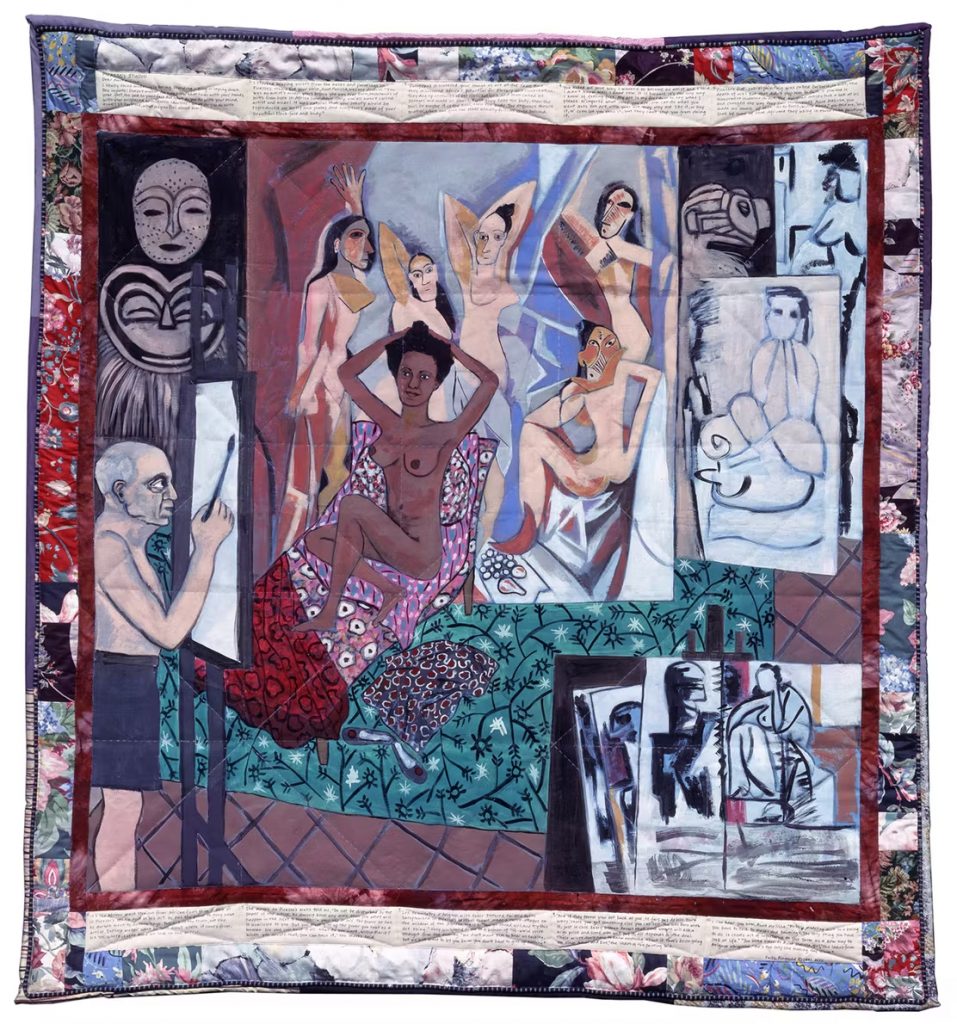
‘With The French Collection, I wanted to show that there were Black people in the era of Picasso, Monet and Matisse, to show that African art and Black people had their place in this history.’
Ringgold, F.
Patchwork can be used to tell different stories and narratives.
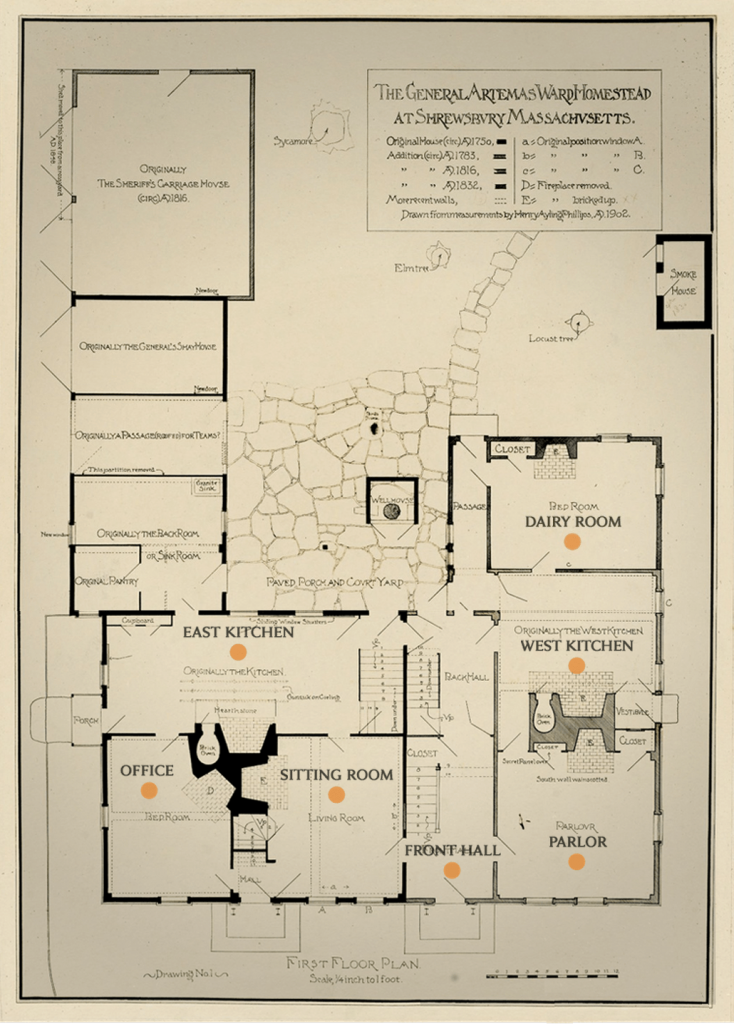
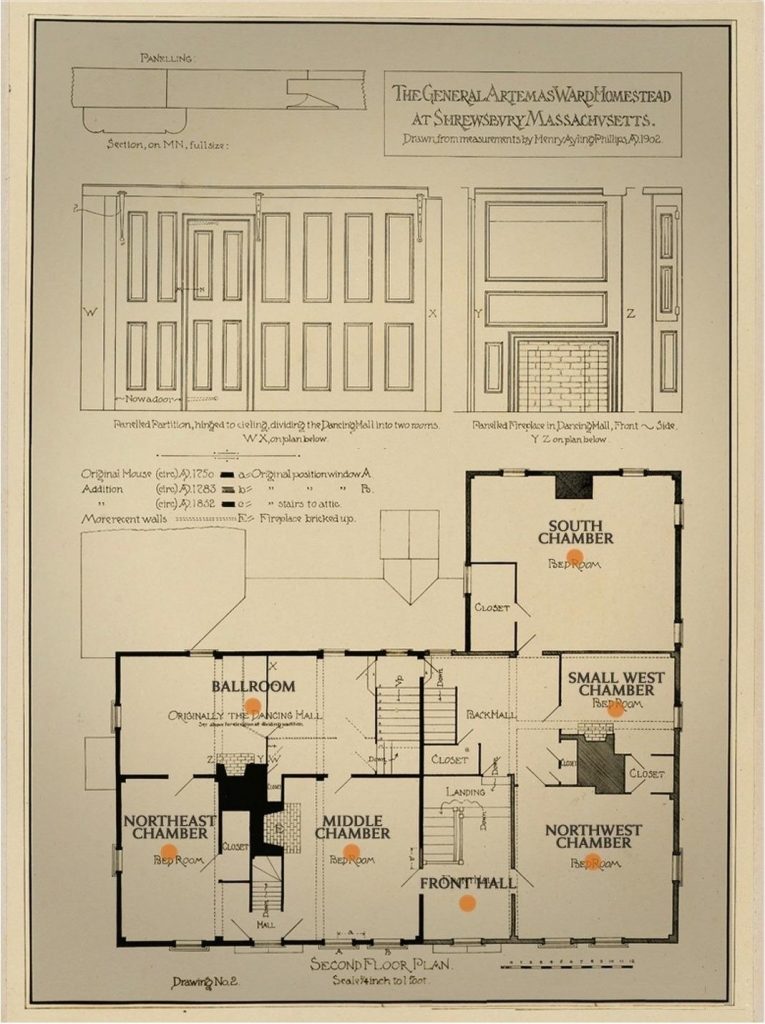
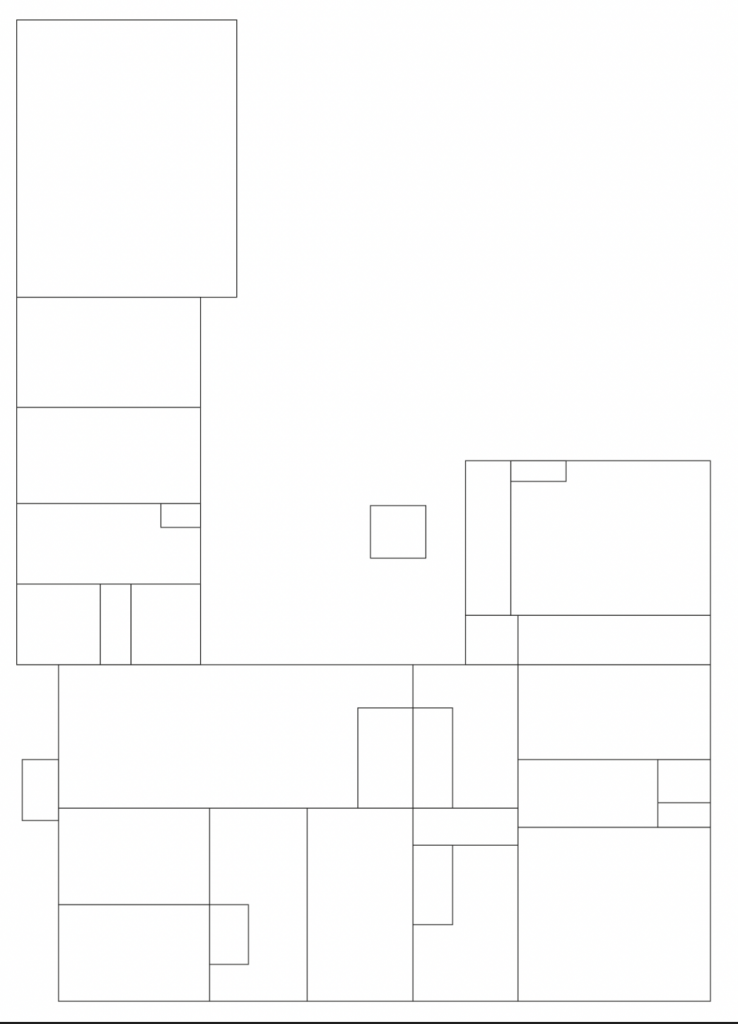
Looking at the floor plan, I thought it looked a lot like a quilt pattern. So I used it to create my own quilt and tell a story through it.
The objects in the collection that I redrew with lines to give them a stitched look are placed on the plan to show the importance of women in the house. They are located in the rooms according to the activities they are dedicated to or who they belonged to.
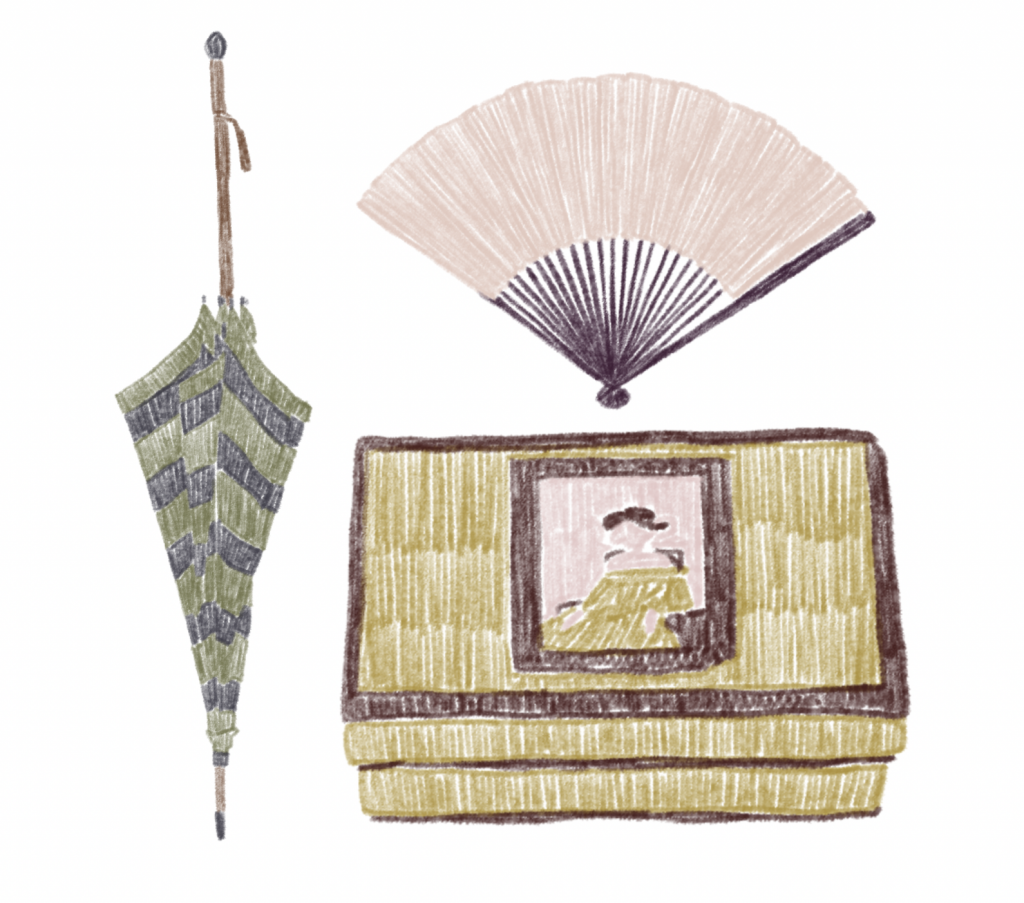
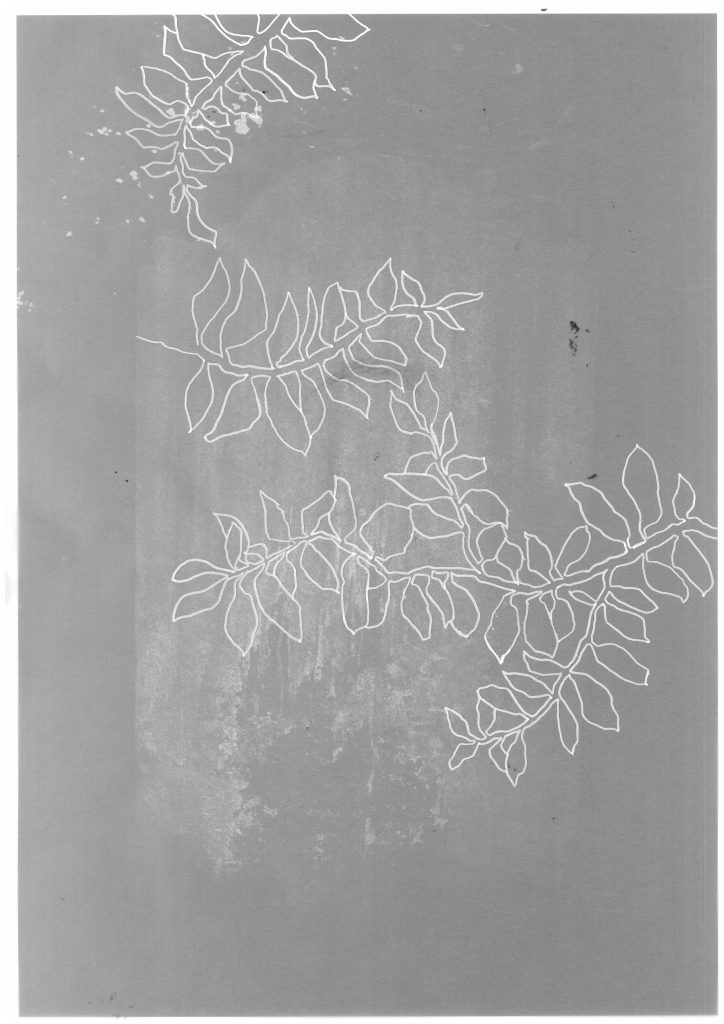
Feedback said that the nature could take over the whole page. So I decided to play with transparency, and started experimenting with tracing paper.
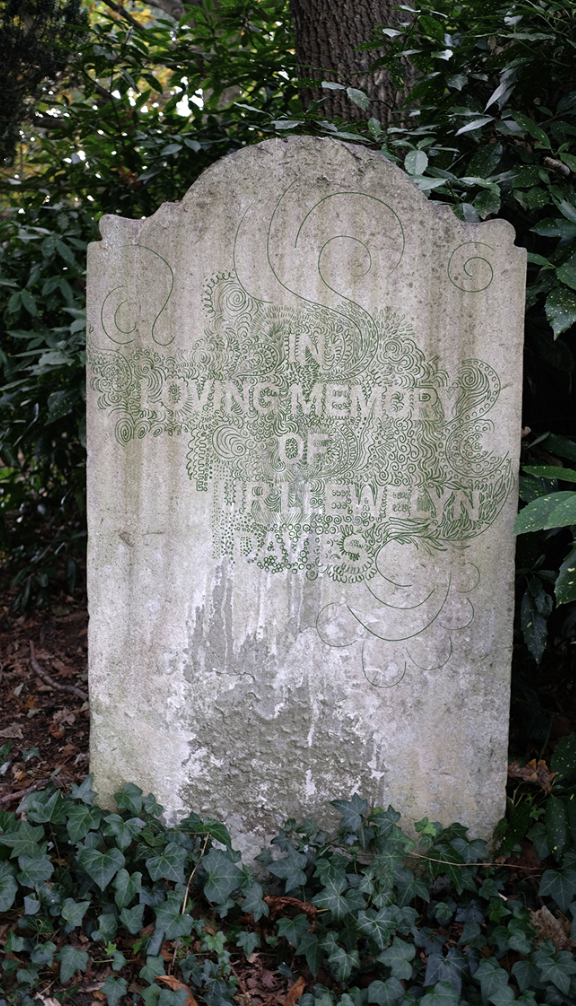
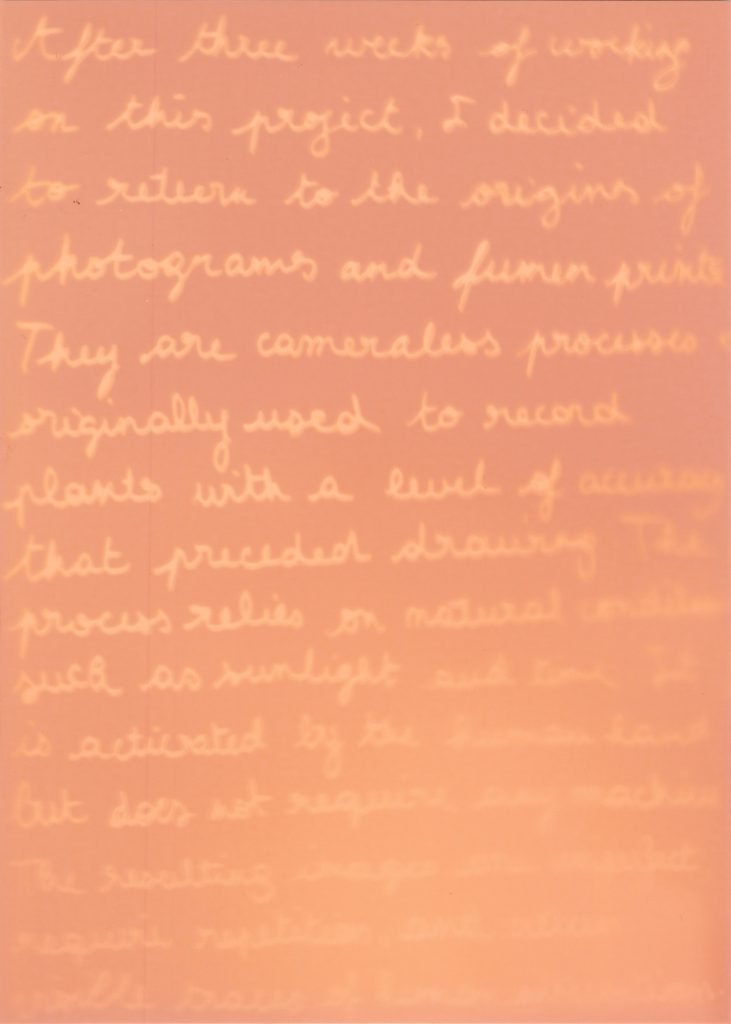
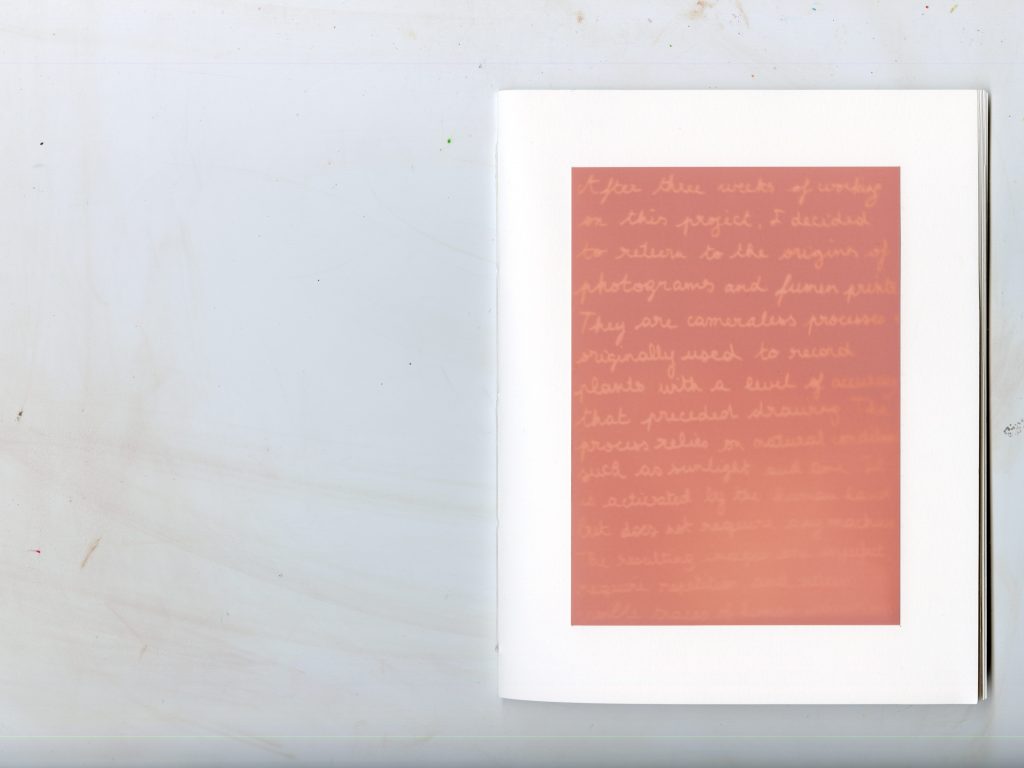
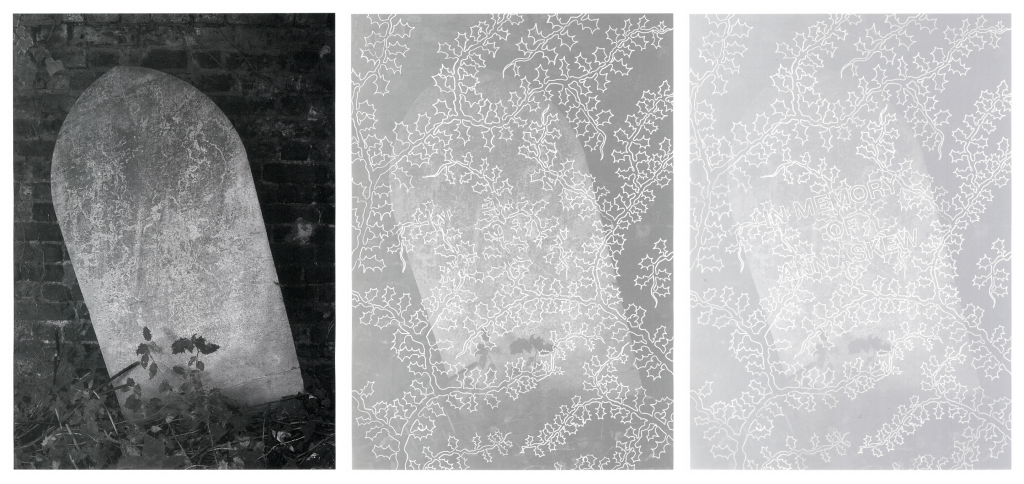
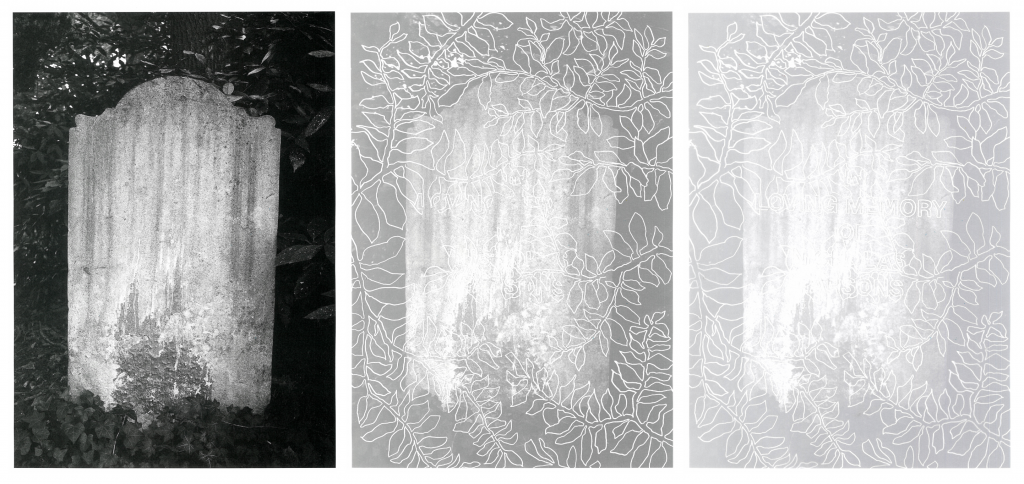
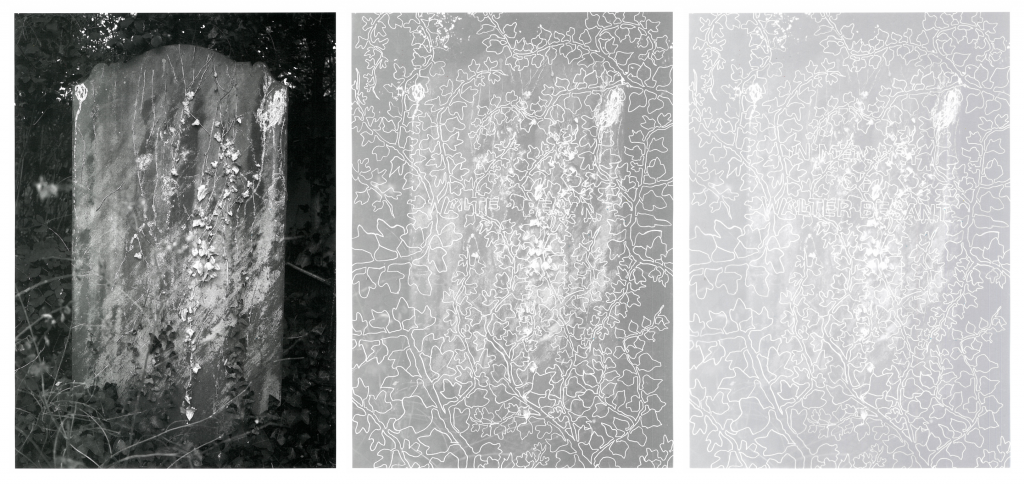
The layer of tracing paper functions as a veil, evoking the materiality of a tomb covering and producing a soft, ghostly texture. Meanwhile, nature expands across the image, gradually overtaking the composition. The typography is designed to merge effortlessly with the image, becoming part of its atmosphere rather than standing apart from it.
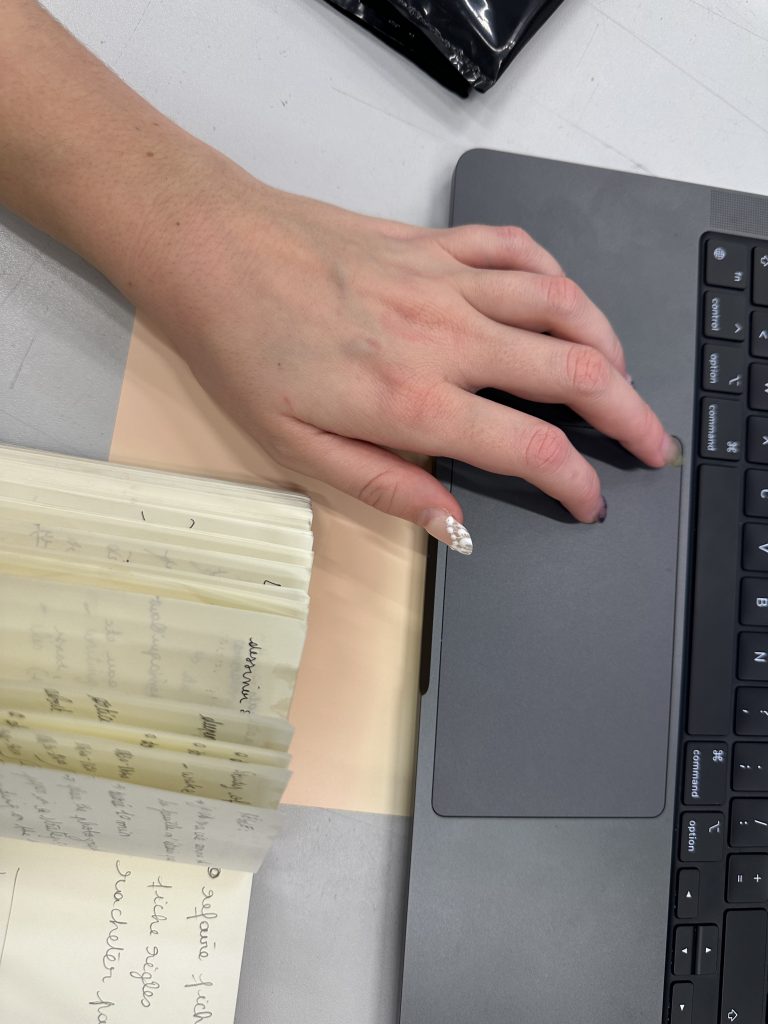
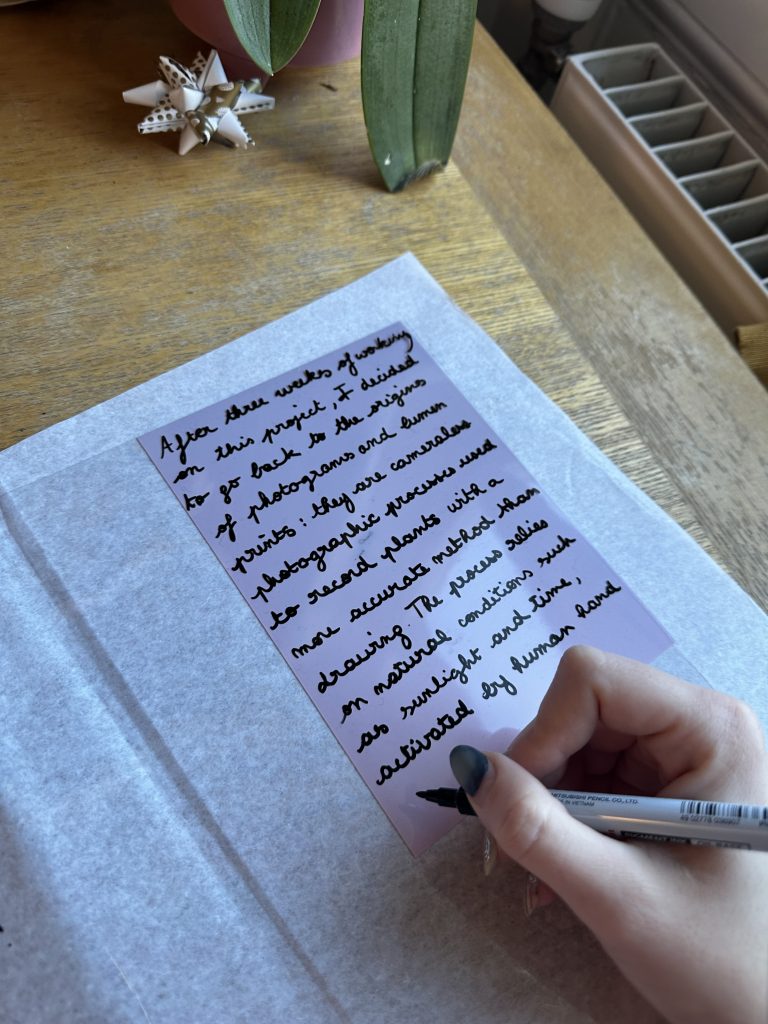
I created a system in which the names are initially unreadable, only becoming legible when two sheets of tracing paper are carefully aligned on top of each other. It makes the viewer’s engagement intentional and tactile.

I used the font ont from Wikipedia and turned it into an organic font with missing/disappearing parts.
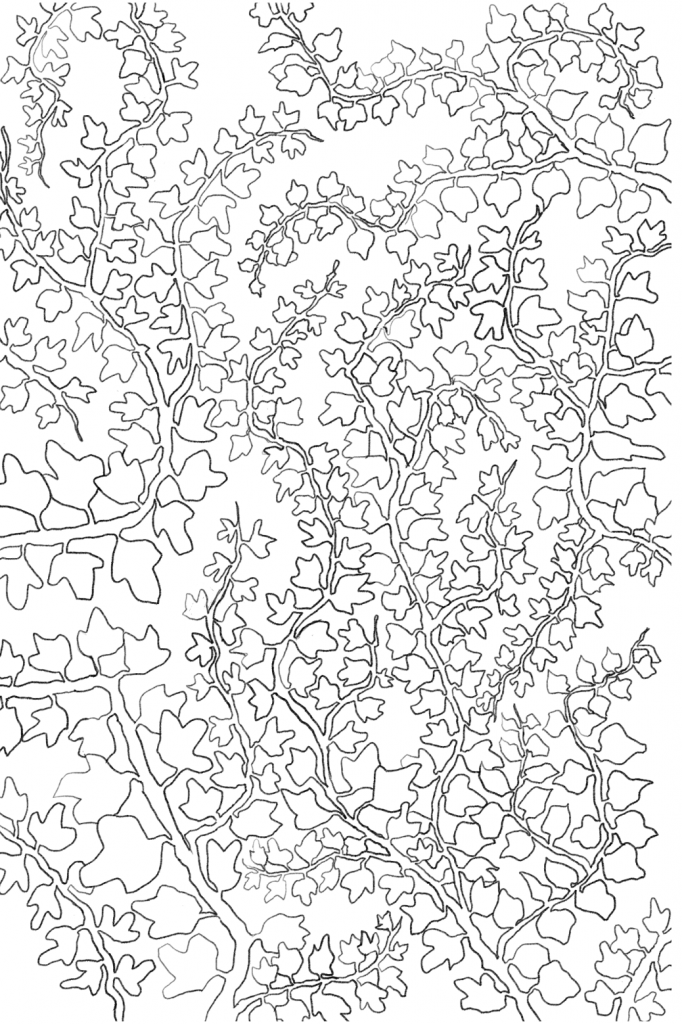
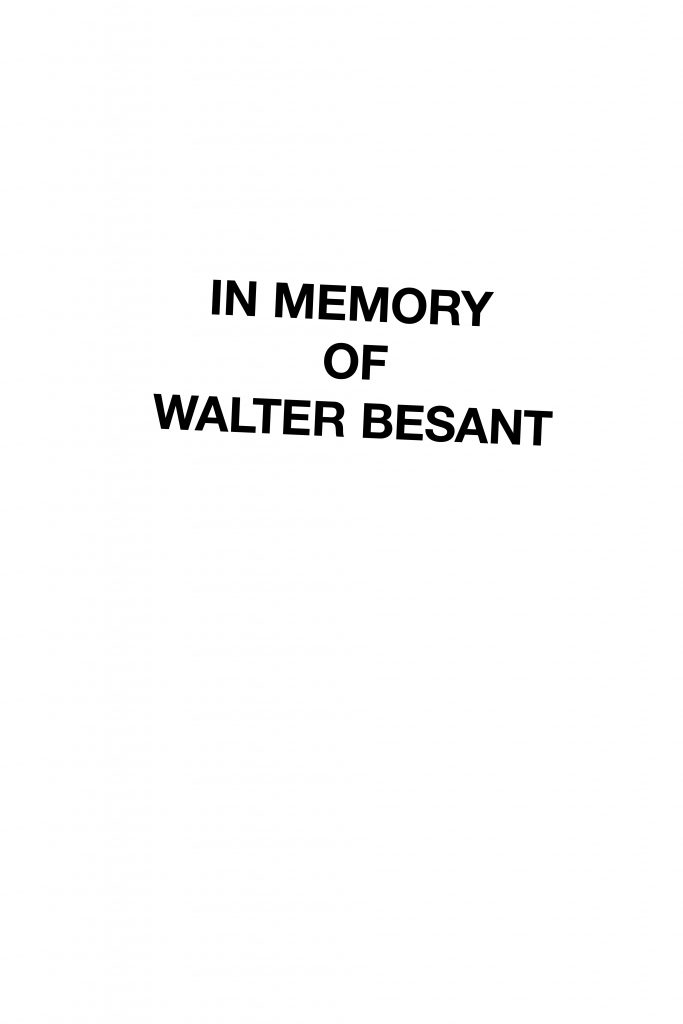
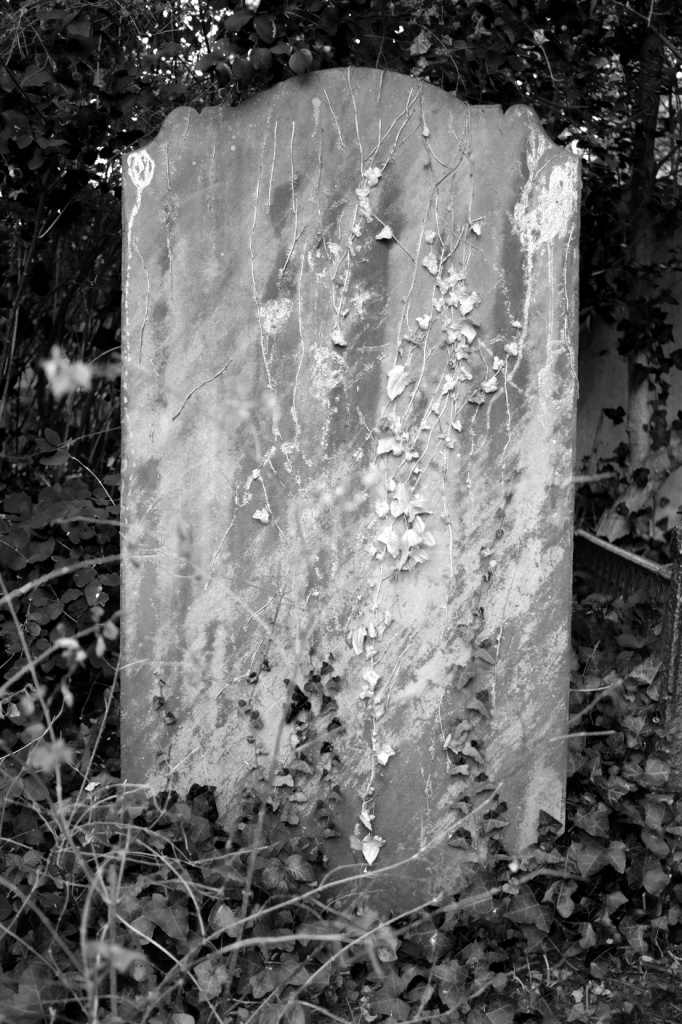
Printing each part separately, I drew the white parts by hand so it would be more organic.
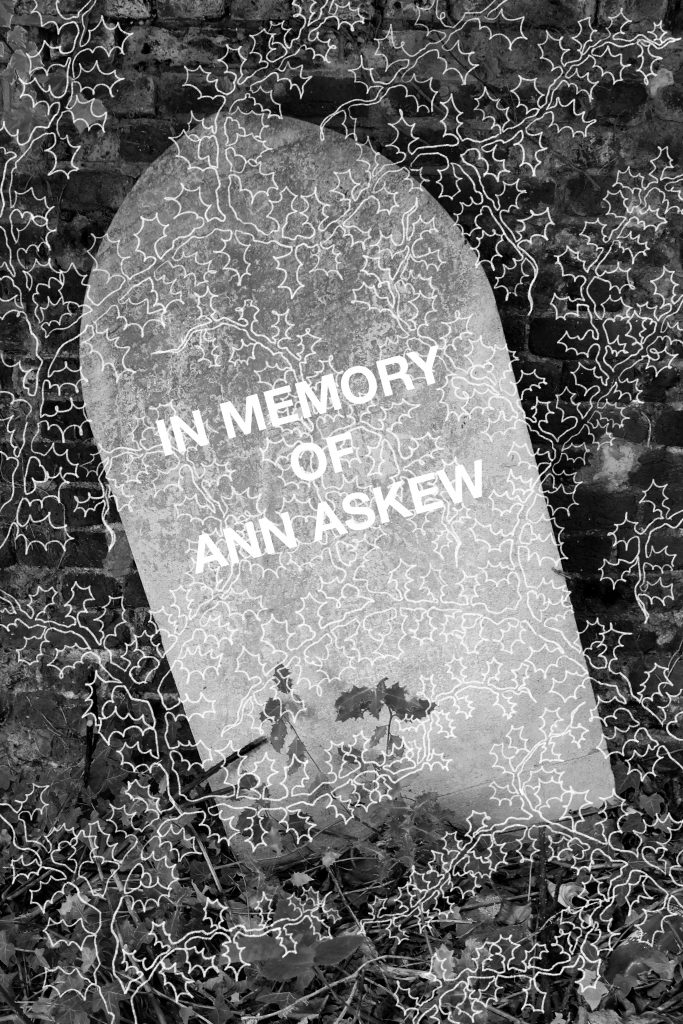
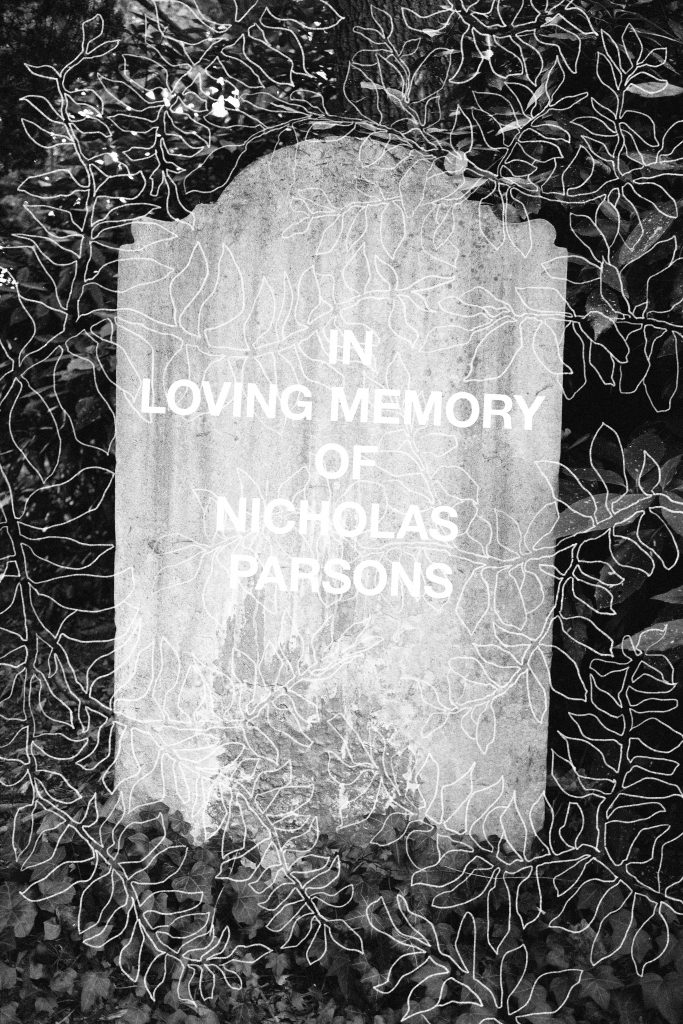
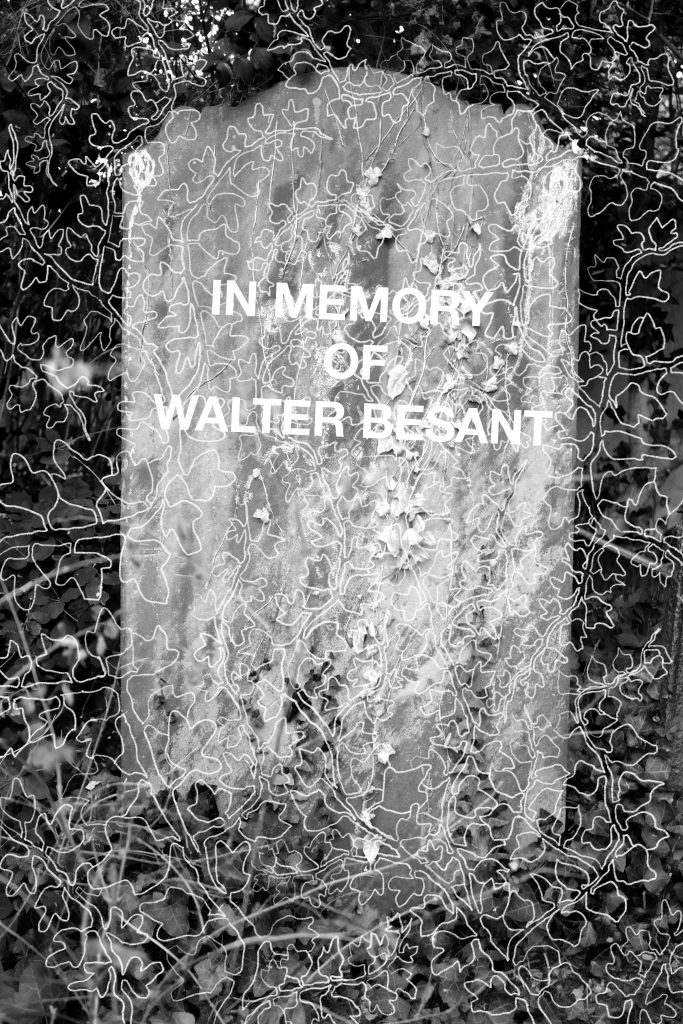
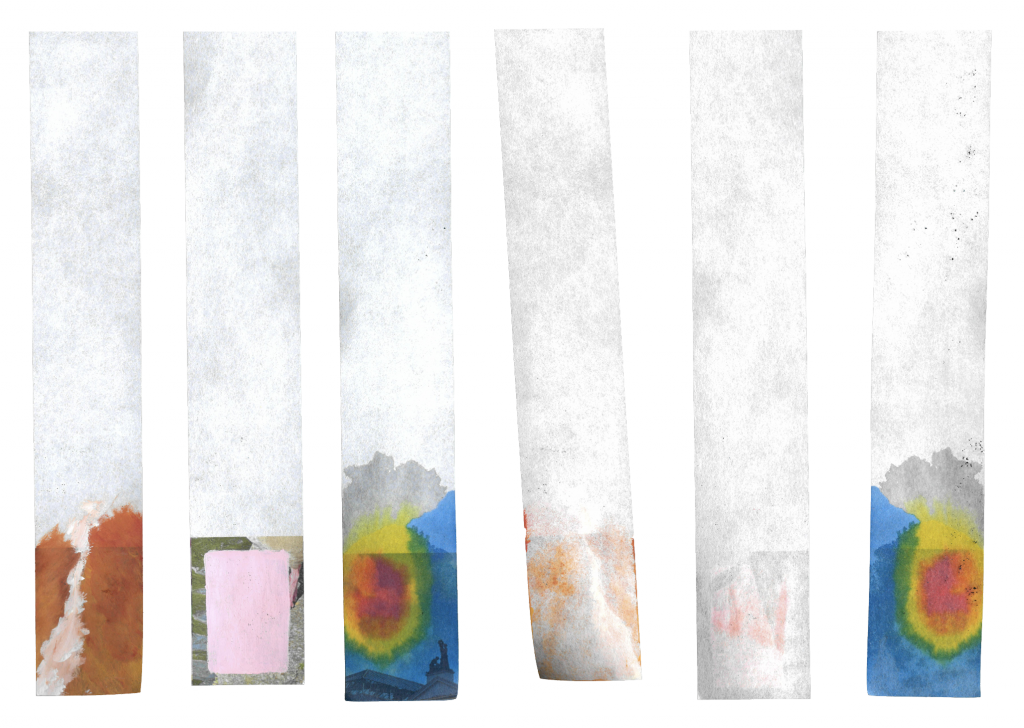
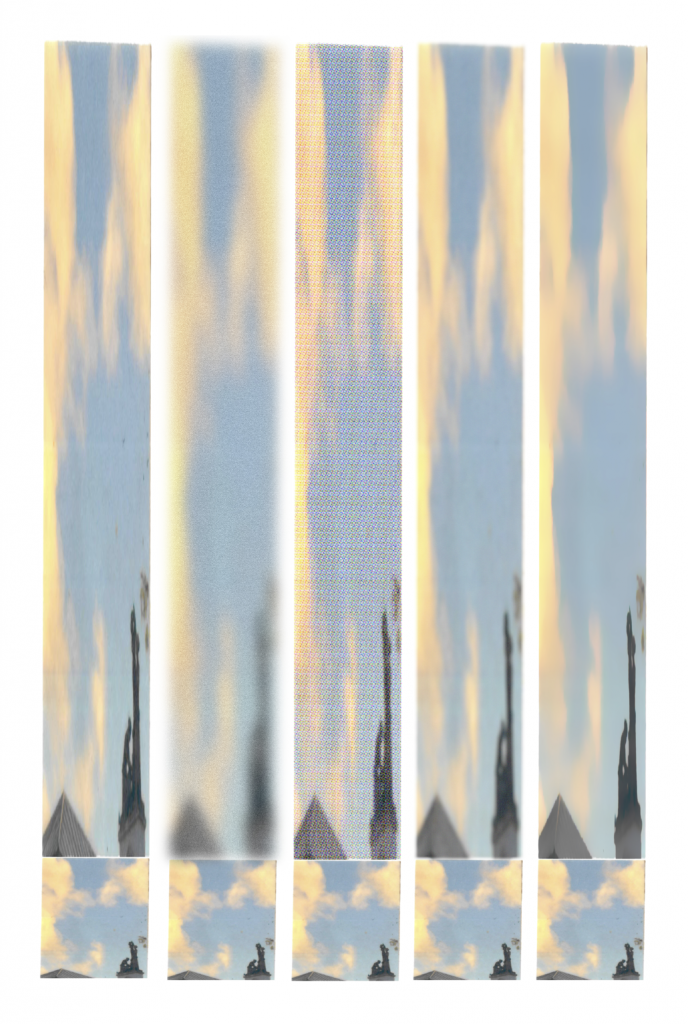
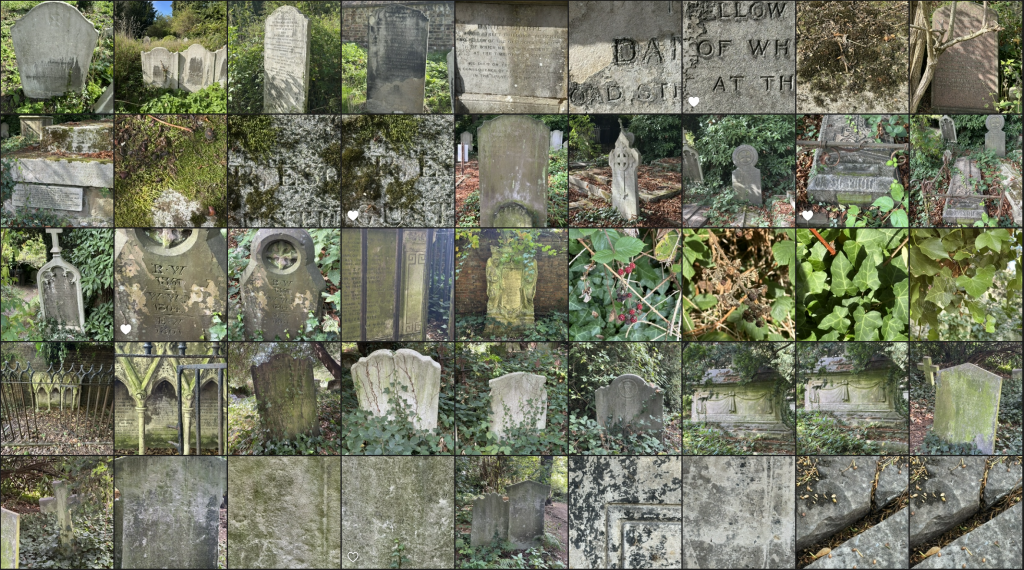
First visit of the churchyard : I took pictures of every thing, tombs, plants, details…
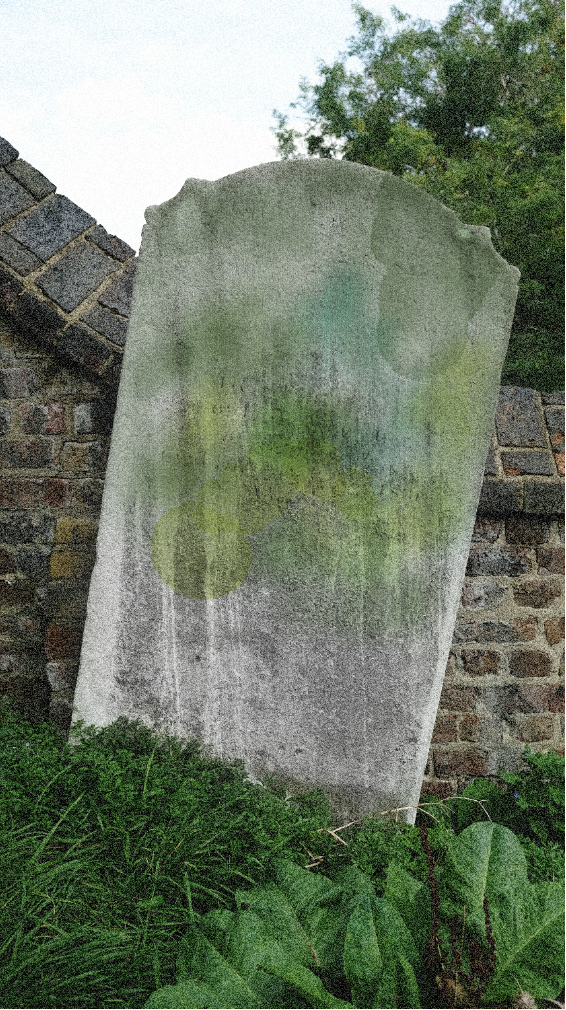
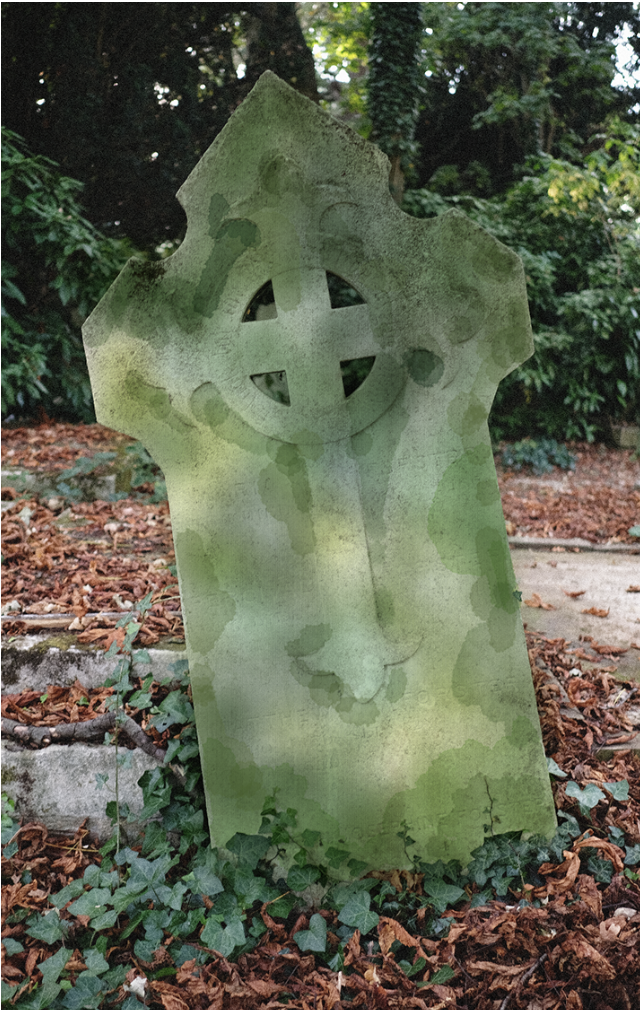
The names carved into stone, meant to stand as eternal markers of human presence, are gradually eroding, but at the same time, nature is growing, spreading. This interplay between human intention and natural processes raises profound questions about memory, legacy, and the passage of time.
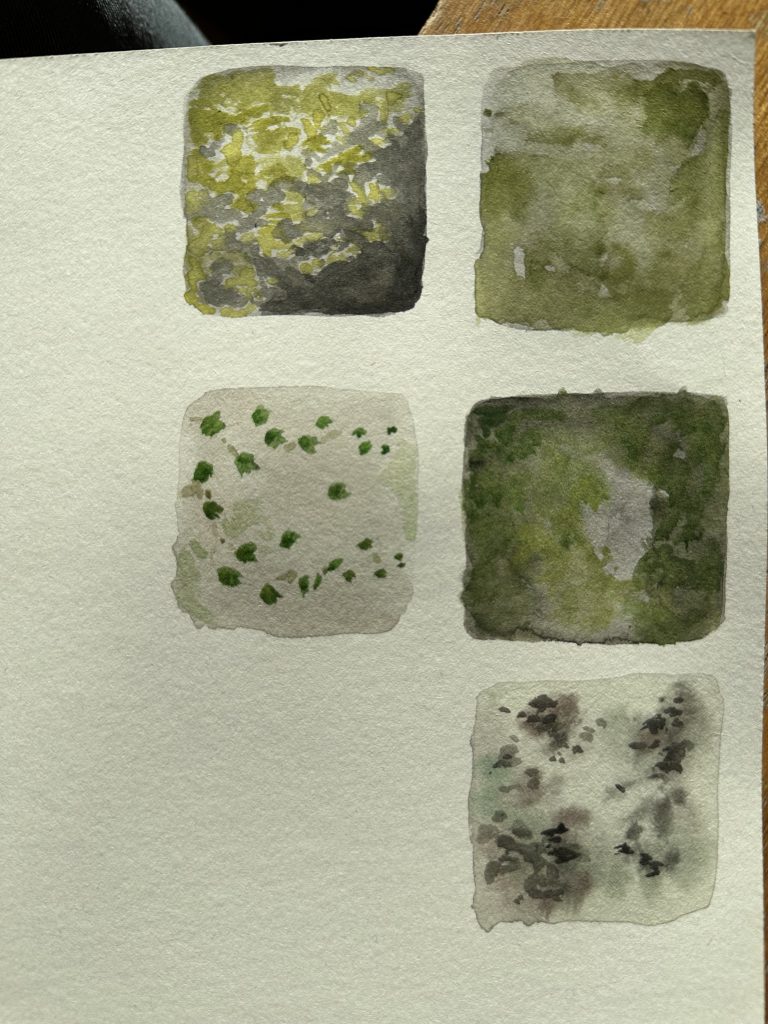
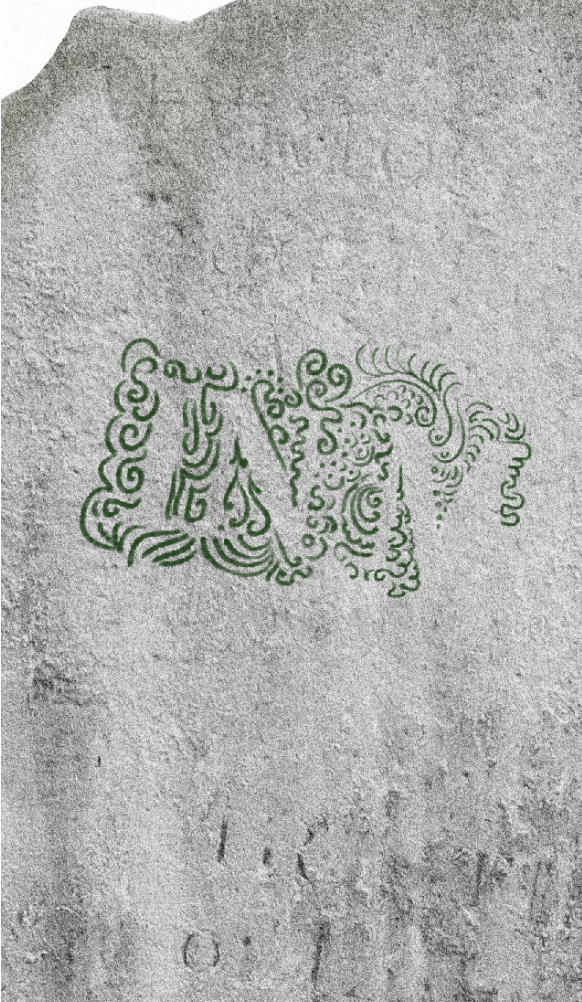
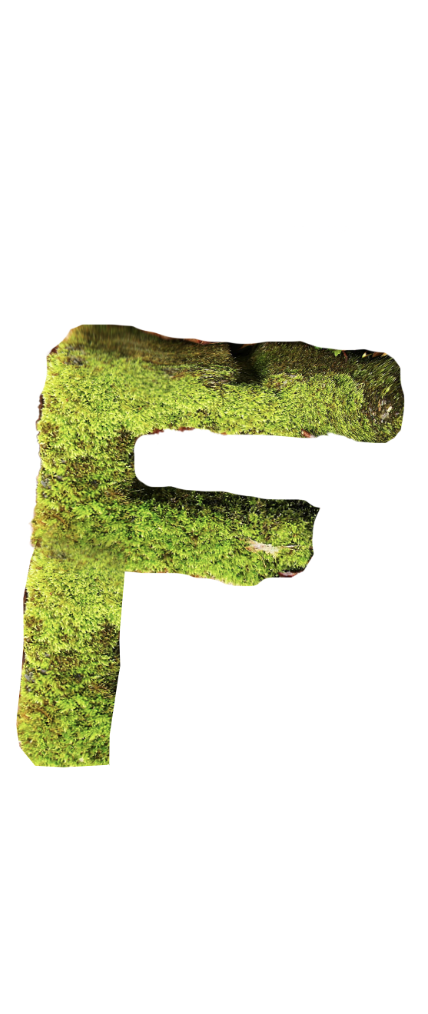
I ended up focusing on the graves where the text had been completely erased. With the man-made engravings completely gone, I imagined how moss would replace them.
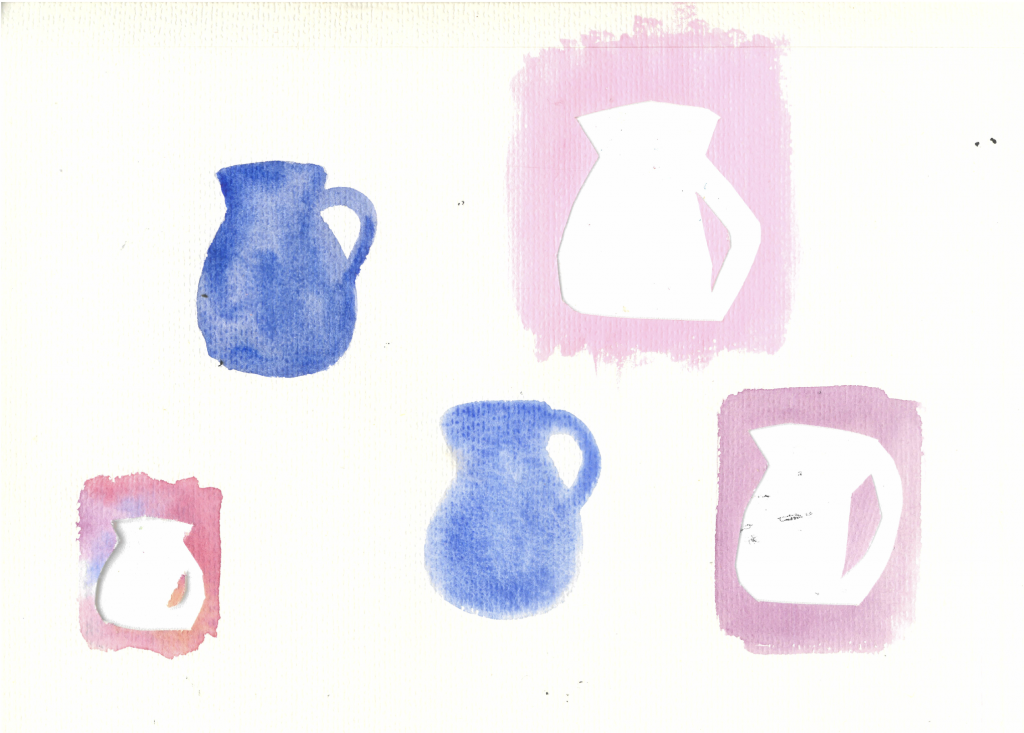
I drew the disappearing words, transforming them into new, custom fonts, and painted the moss in watercolour. Through this process, I sought to give them a lasting presence, to immortalise elements that were otherwise fading from memory.
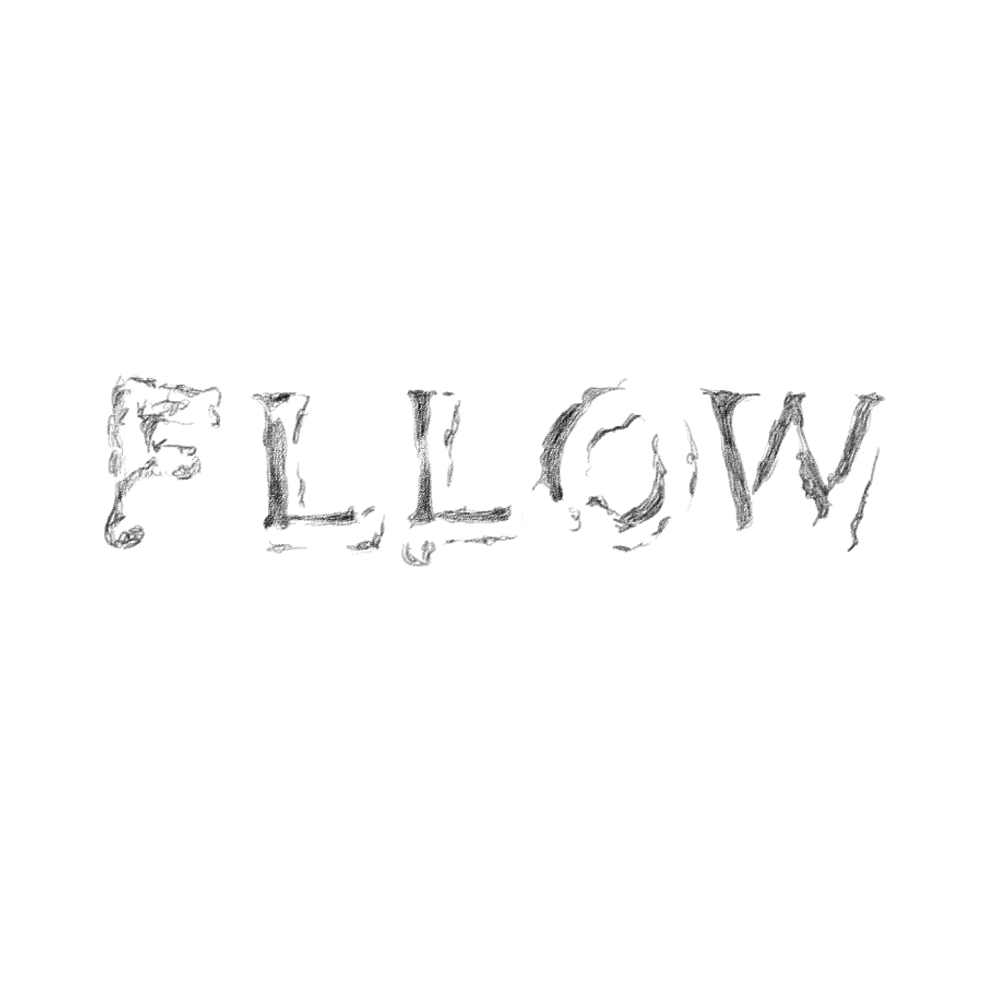
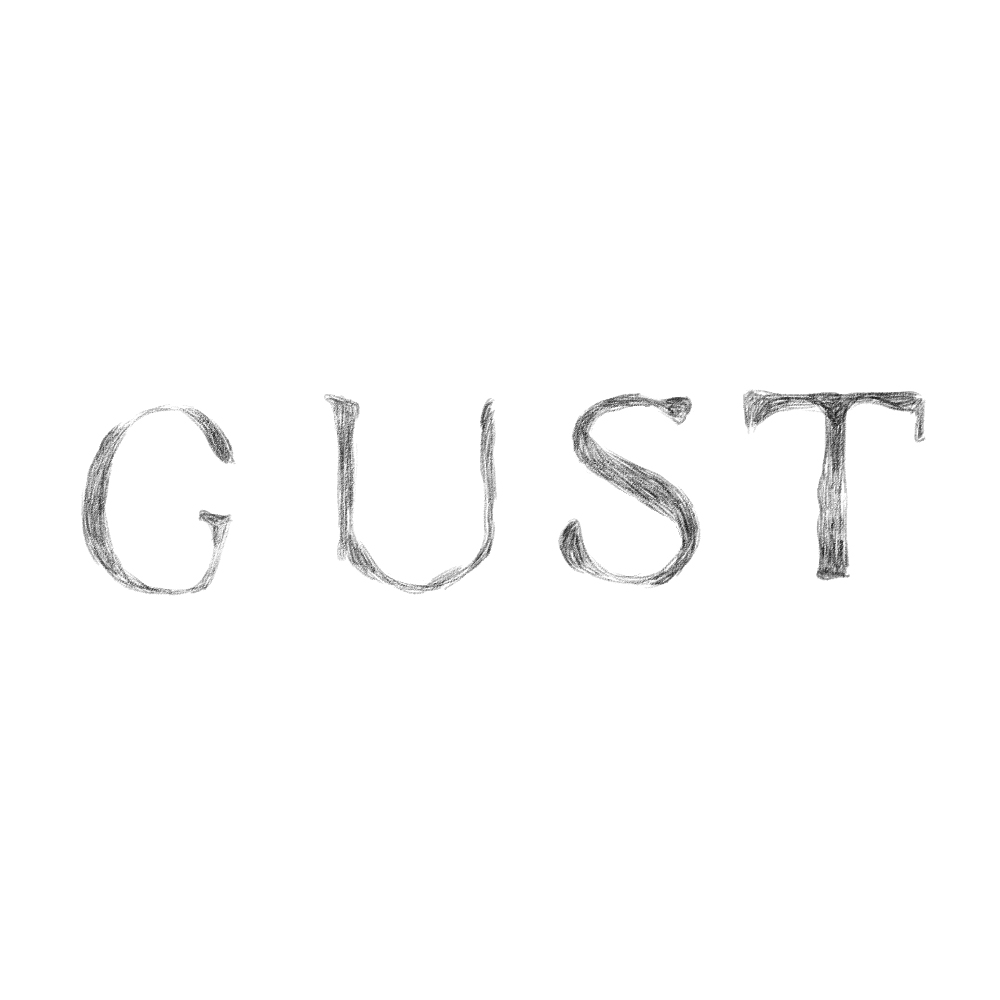
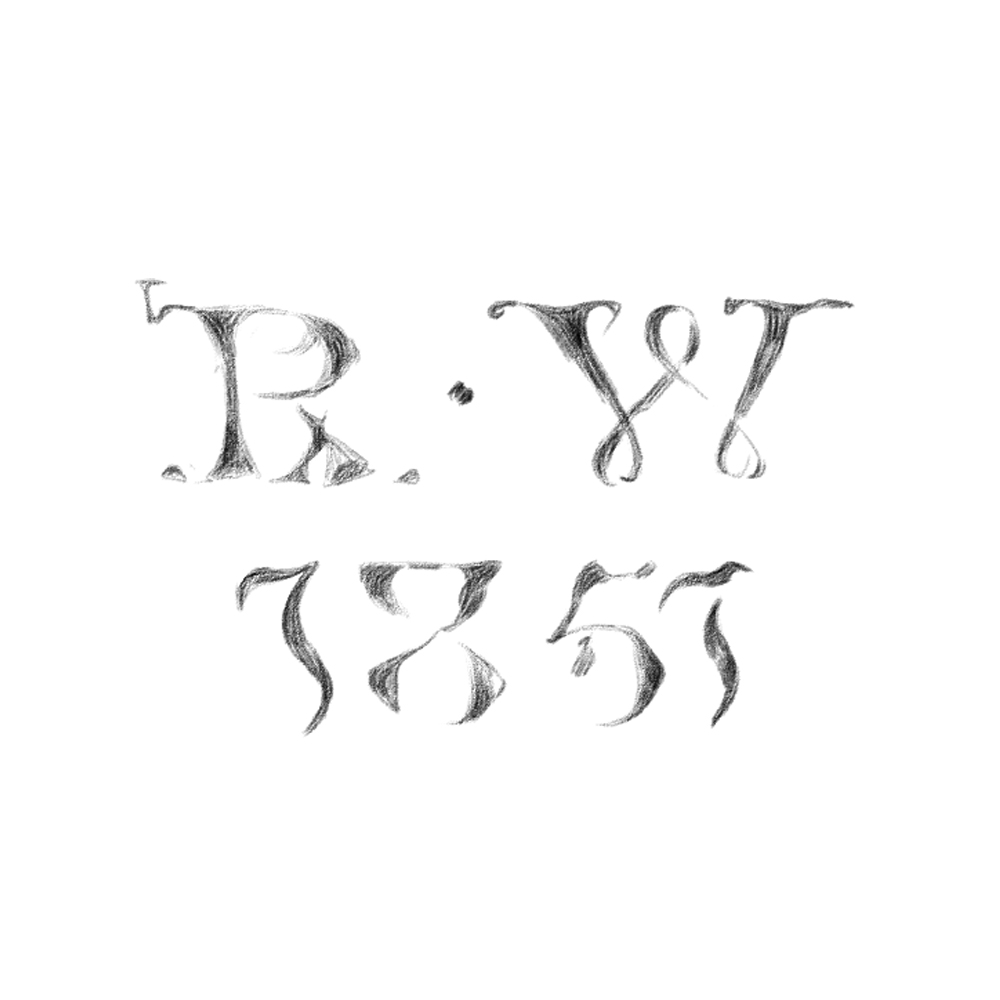
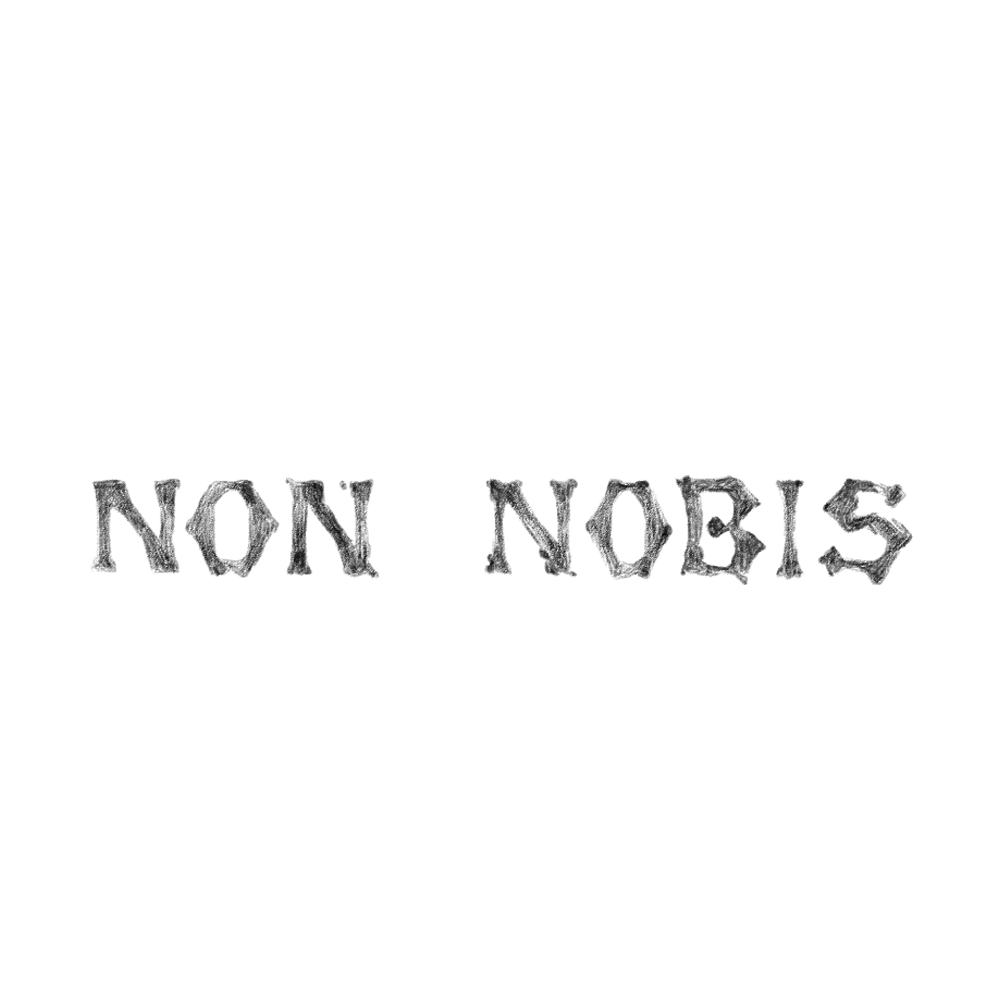
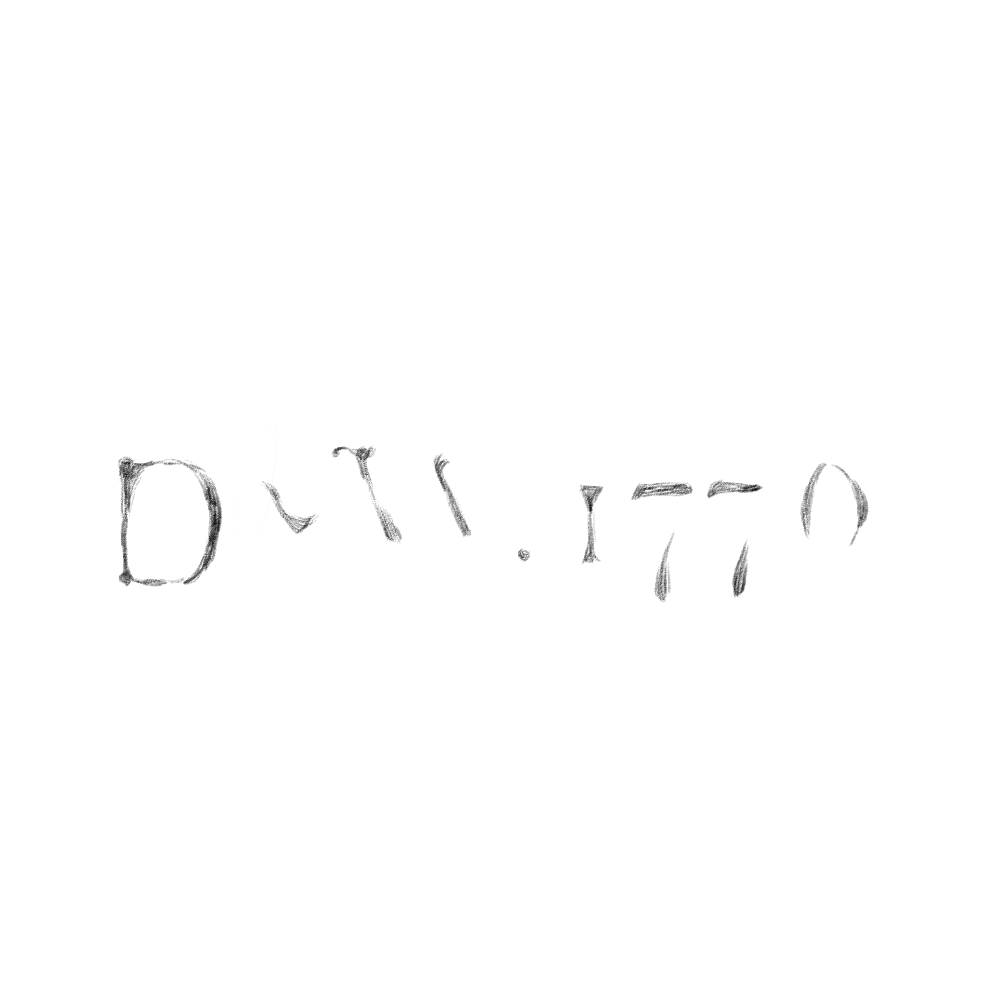
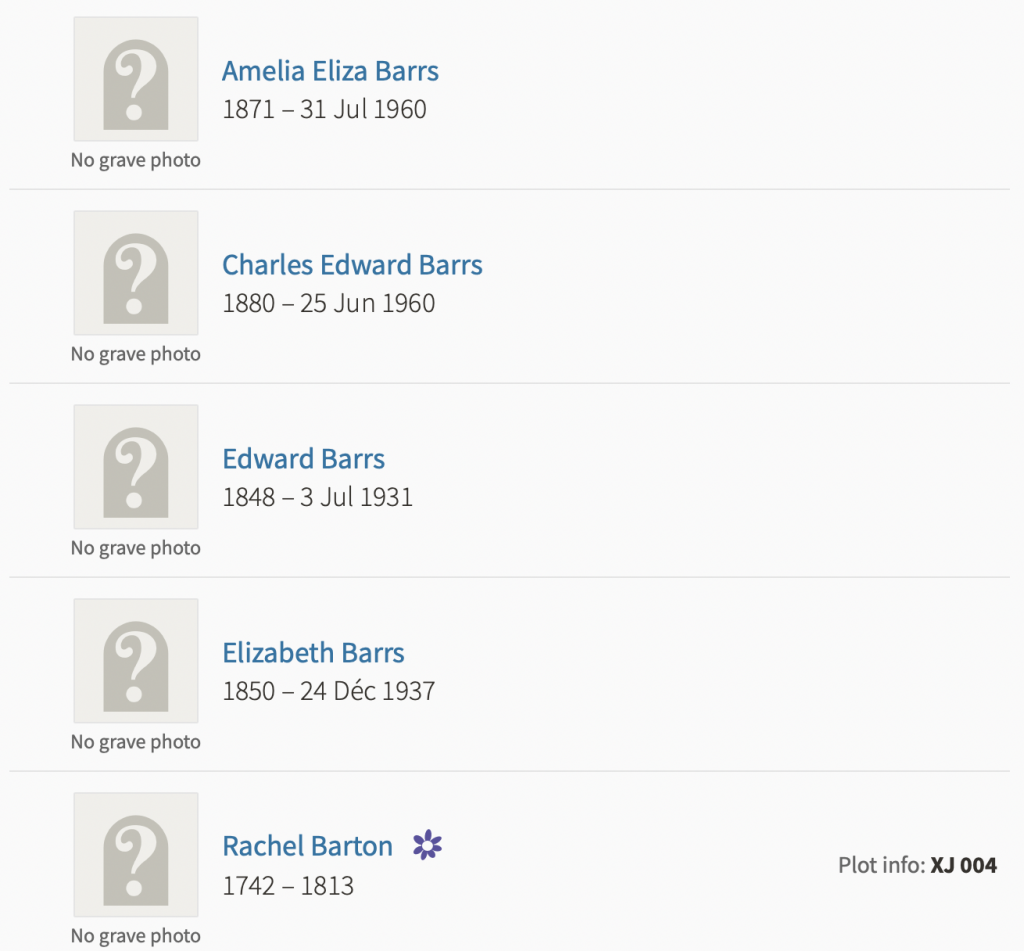
Documentation of the site is minimal, and personal histories were even harder to trace. While archival materials may list names and dates, visual evidence is largely lacking. Photographs are titled ‘No Grave Photo’, evoking a strange, haunting feeling, leaving the viewer with a sense of loss. It is oddly ironic : it signals the presence of information while simultaneously denying it.
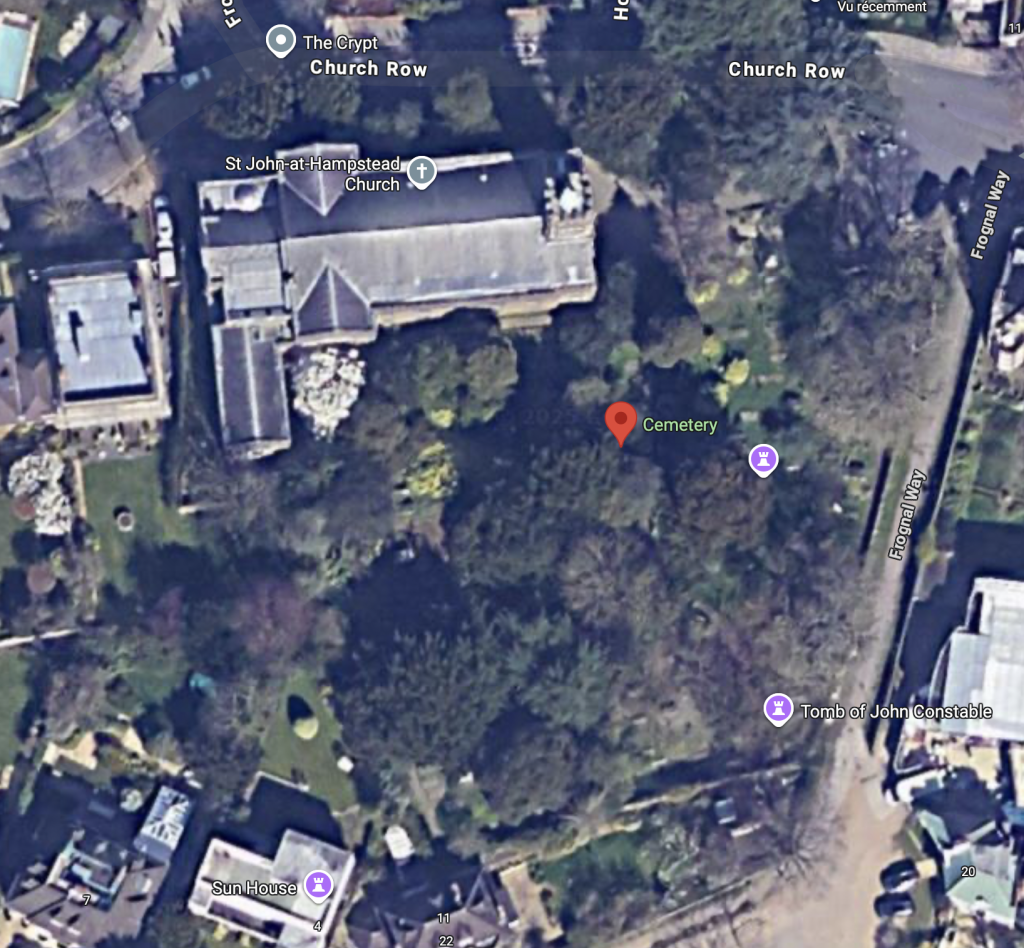
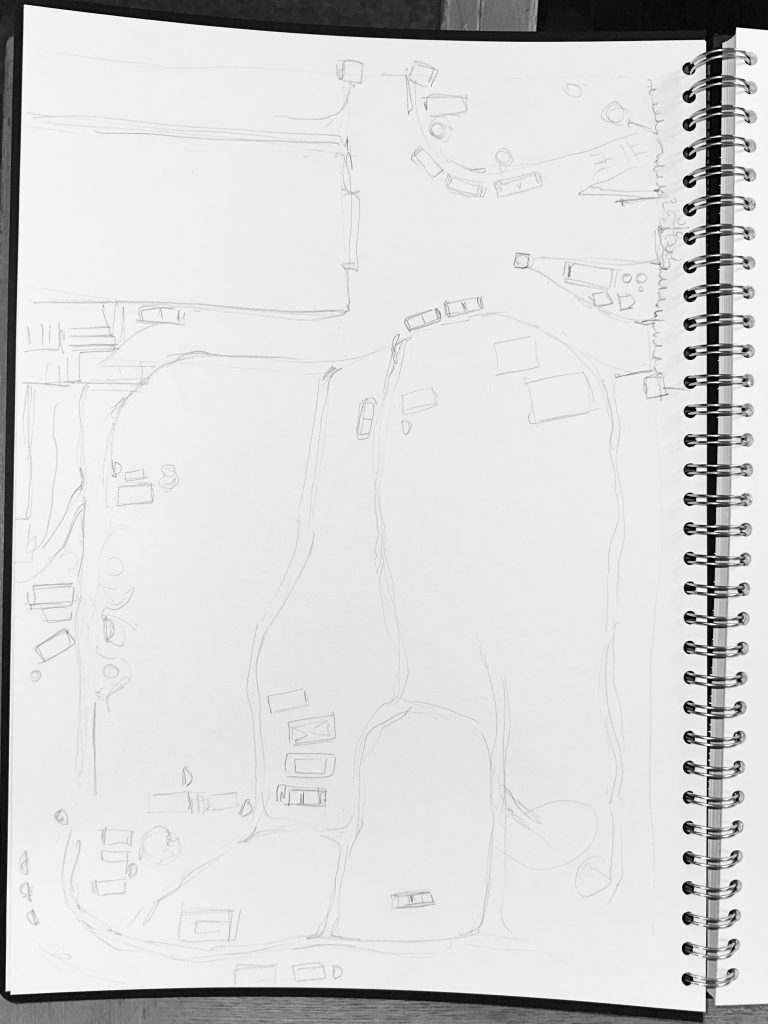
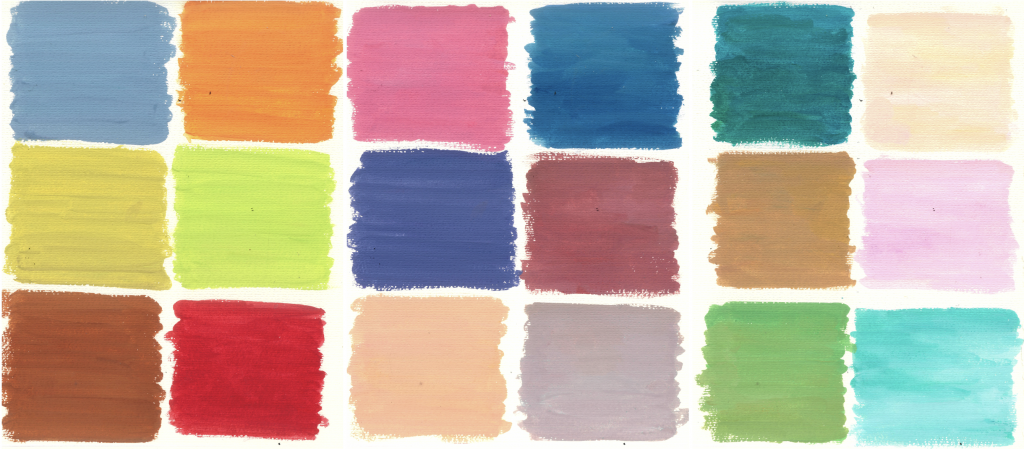
I did several tests, with a watercolour effect giving a mossy texture, fine drawings teeming with life. I also played with typography but the vivid green consistently felt off.