For this brief I decided to go with the harvard digital collection
Artemas Ward House and Its Collection which was the House of the first commander-in-chief of the Patriot forces and is nowadays a museum. It was built in the 1720-1730s by his father Nahum Ward and was extended in 1785 and 1830 to accommodate the big family, the farm hands and domestic help.
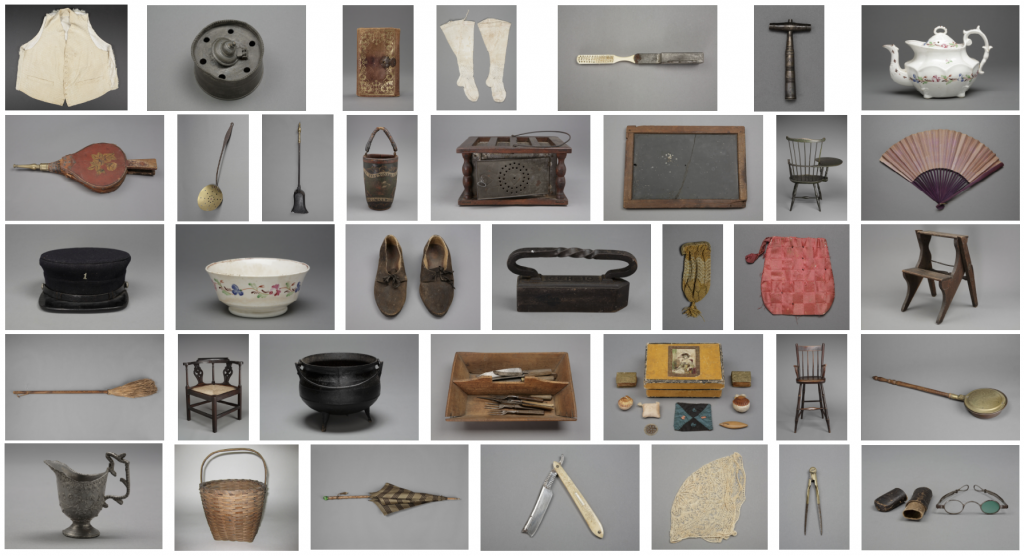
The collection includes everyday objects such as clothing, furniture and household items belonging to members of the family.
The first thing I looked up about Artemas Ward was his family : he had 6 brothers and sisters and had 8 children with his wife.
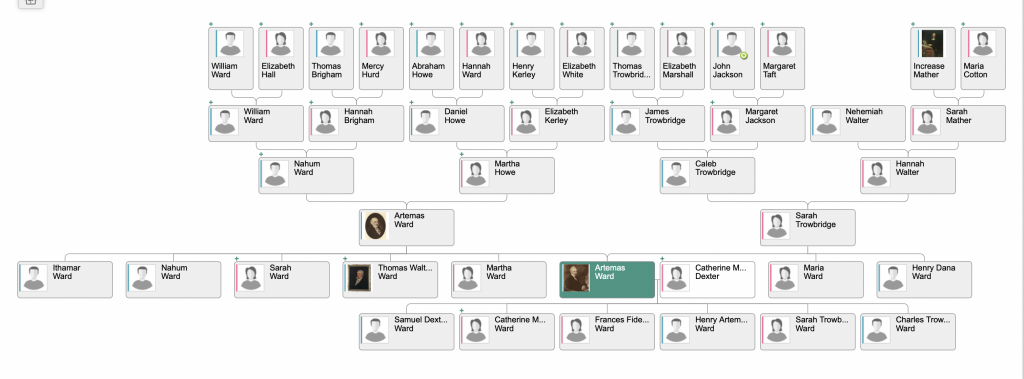
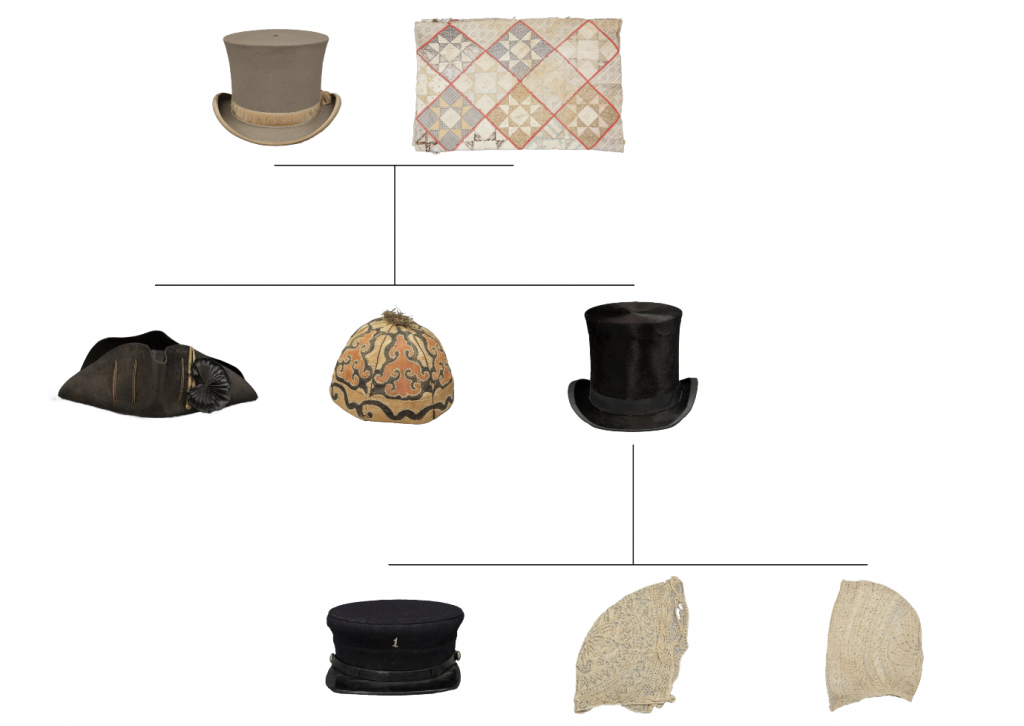
My first experimentation was to catalogue the objects as a family tree, by personifying the objects. Deending on who they belonged to, how they look and what they are used to, I entanded to transform all the objects in as part of a big and intricate family tree.
But because the feedback, I went back to the inquiry, by analysing more in depth the collection itself. Imagine the life they lived from the objects, look more intimately into it, how to reconfigure the set to give it another meaning and purpose.
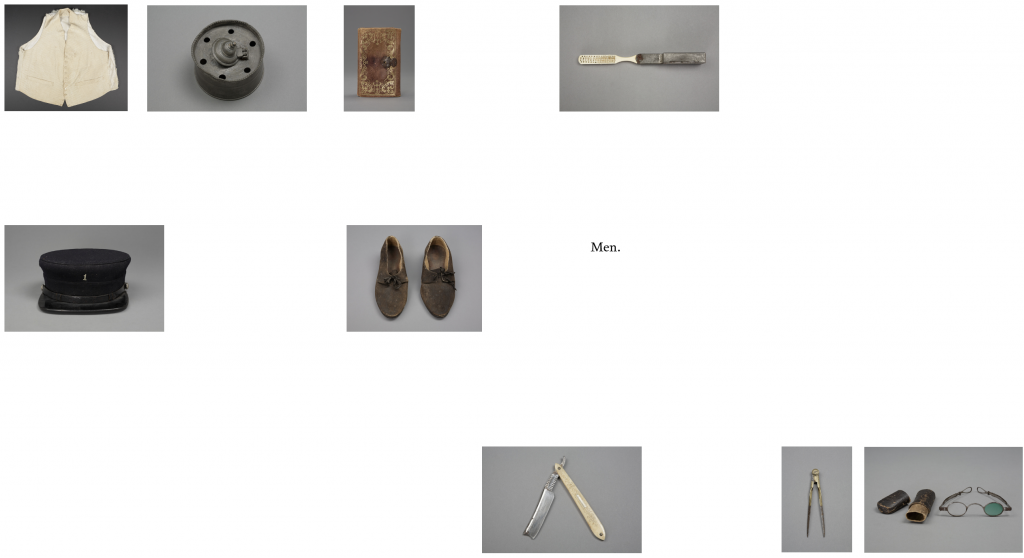
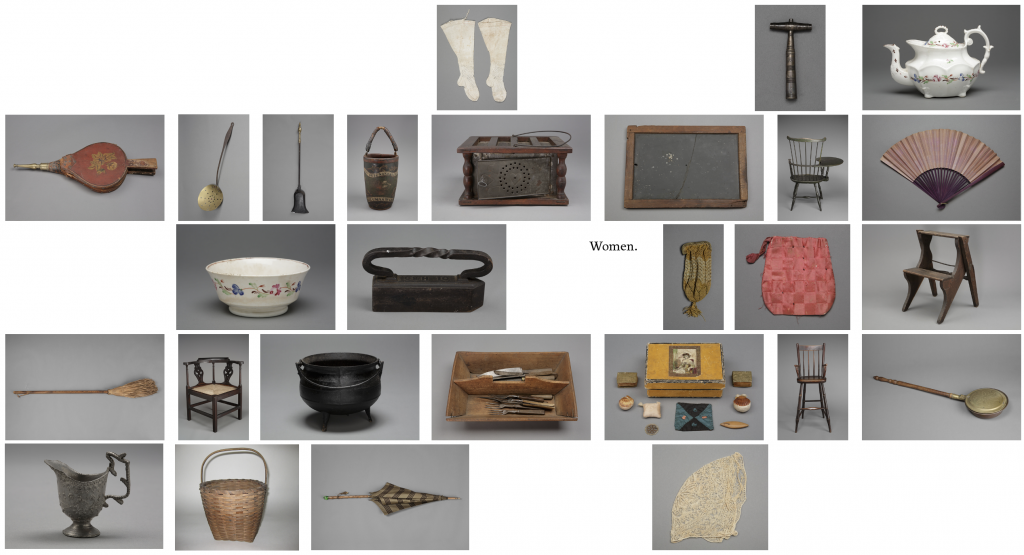
After looking at the materials (wood, metal, textiles, porcelain, beads, leather), the occupations and activities these objects are used for, and the gender and age of family members, I decided to focus on the importance of women in the household.
The house is named after Artemas Ward even if the traces of his existence in the house are rare.
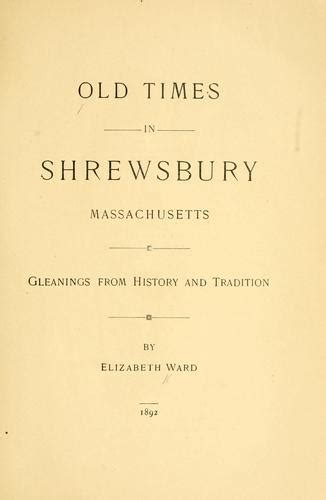
Women of the house, as caretakers, recorded stories of the family and the neighbourhood which were published in the book Old Times in Shrewsbury Massachusetts, Gleanings from History and Traditions.
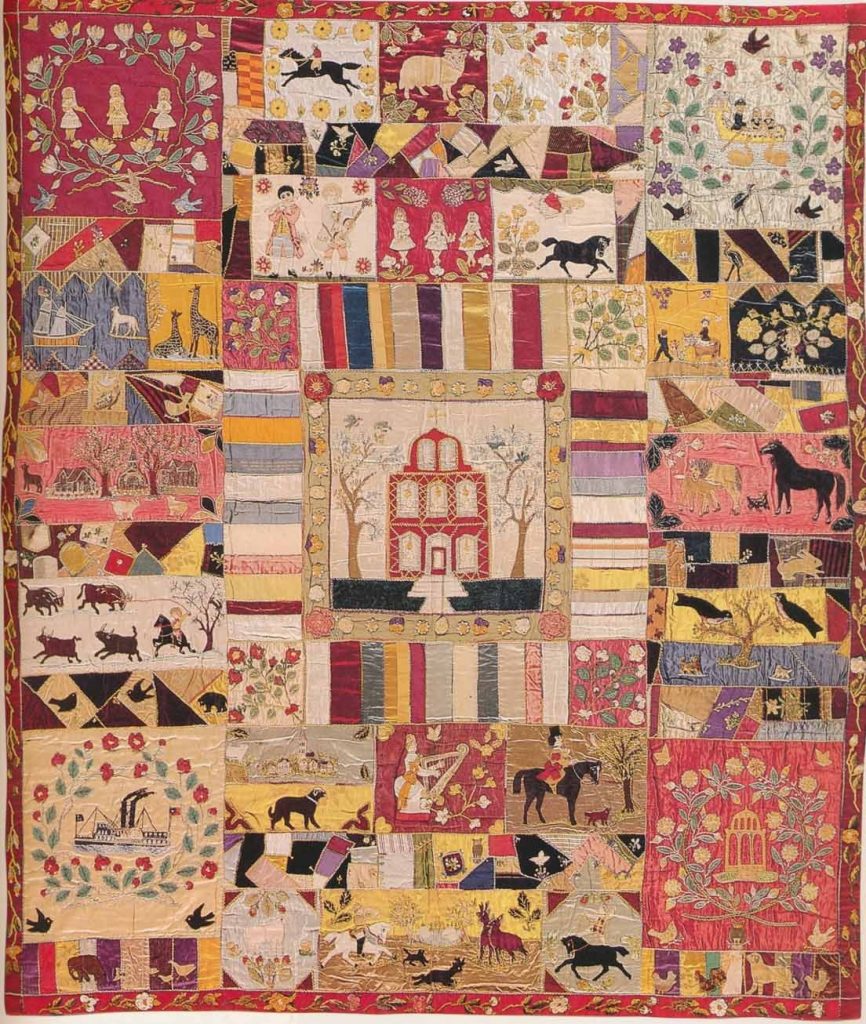
Made by Mrs. Edwin Hardman.
Quilt was common in the late 17th century. It was a decorative display of needle work but also a medium of story telling, solidarity and social change. Some of the intricate design could tell stories.
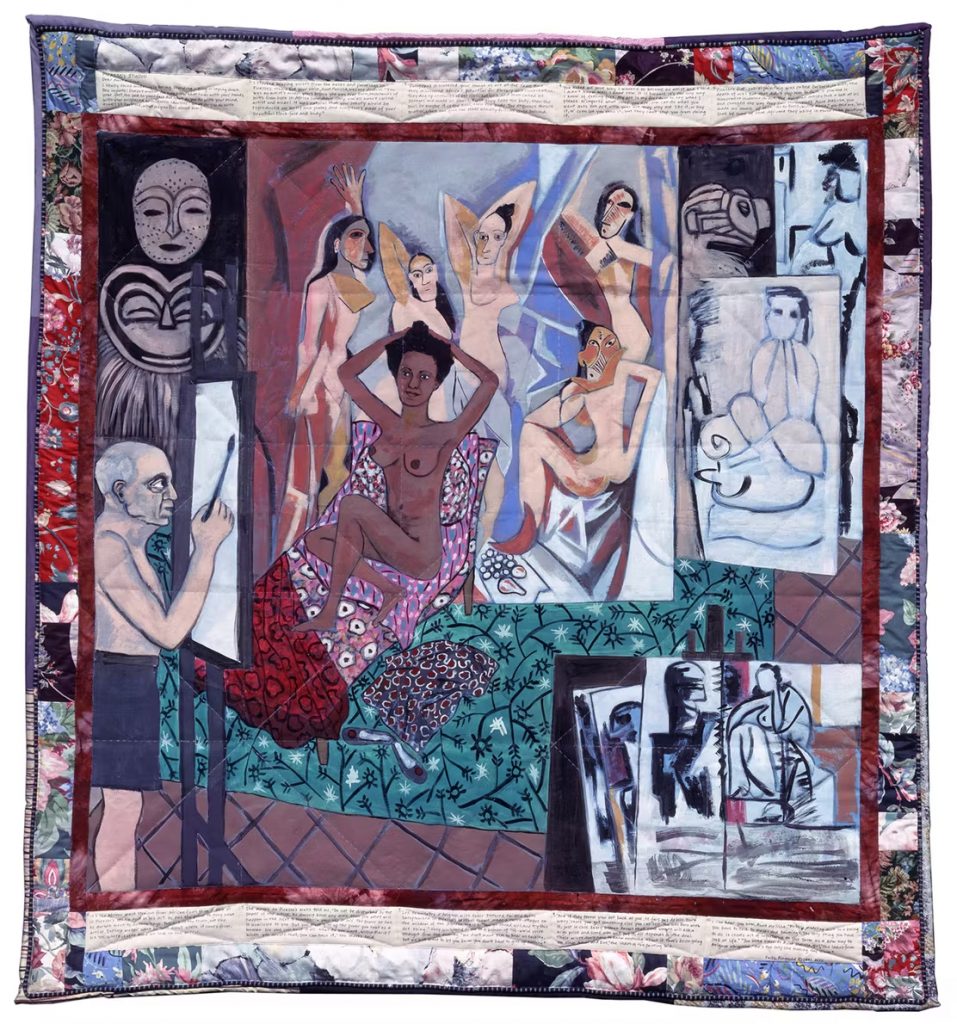
‘With The French Collection, I wanted to show that there were Black people in the era of Picasso, Monet and Matisse, to show that African art and Black people had their place in this history.’
Ringgold, F.
Patchwork can be used to tell different stories and narratives.
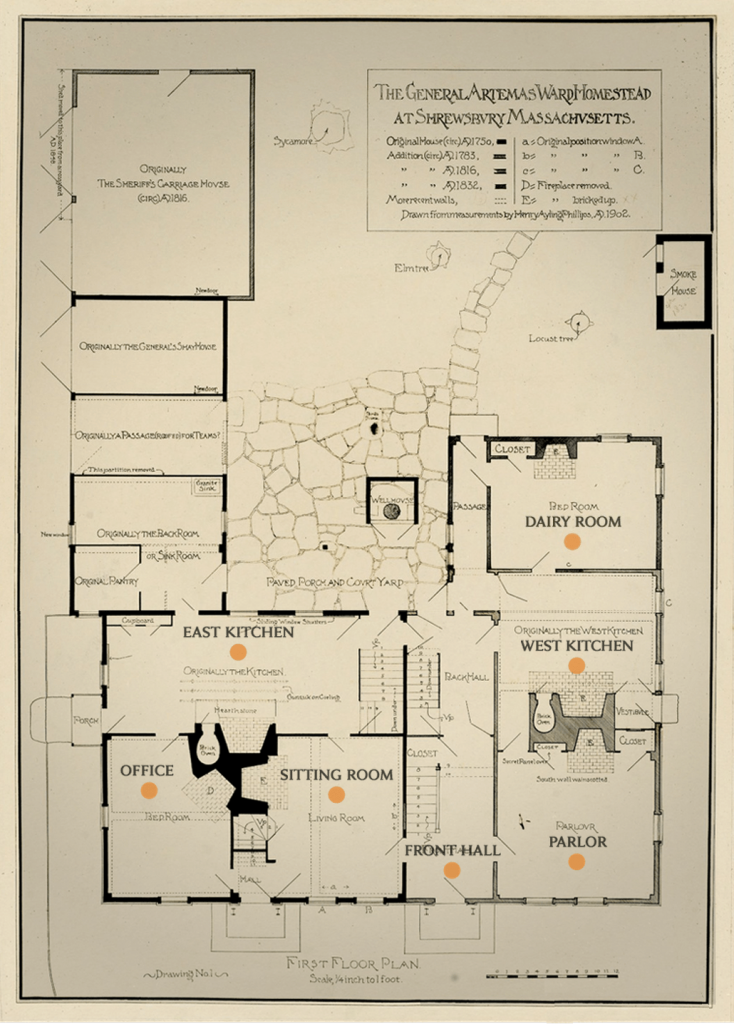
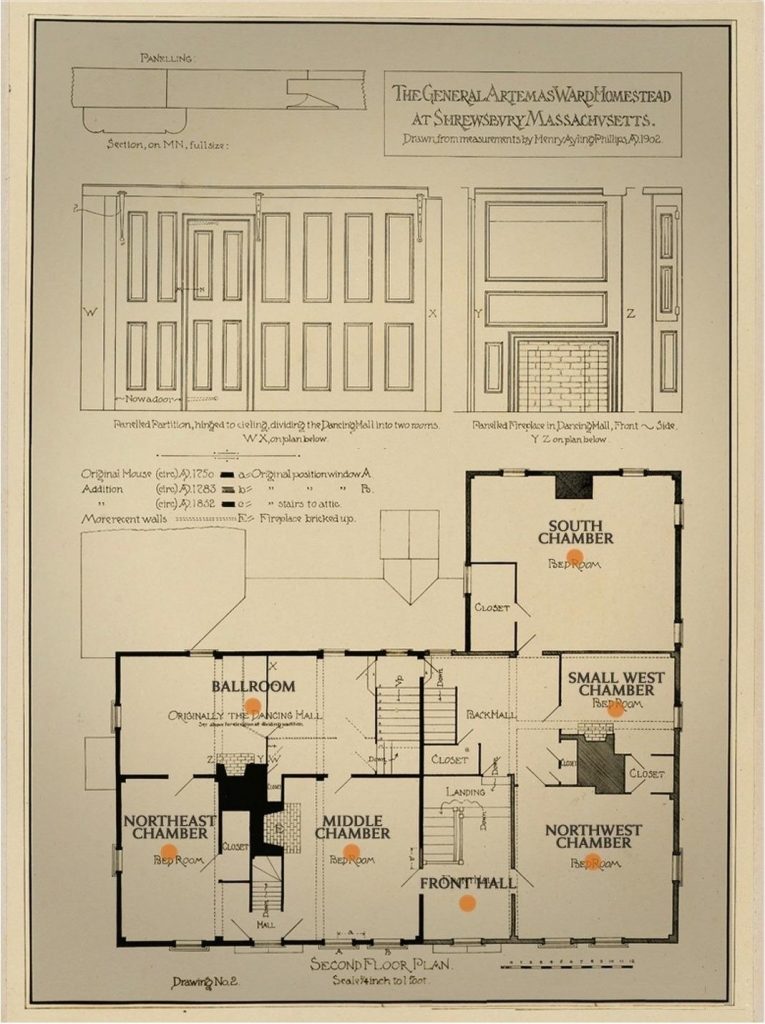
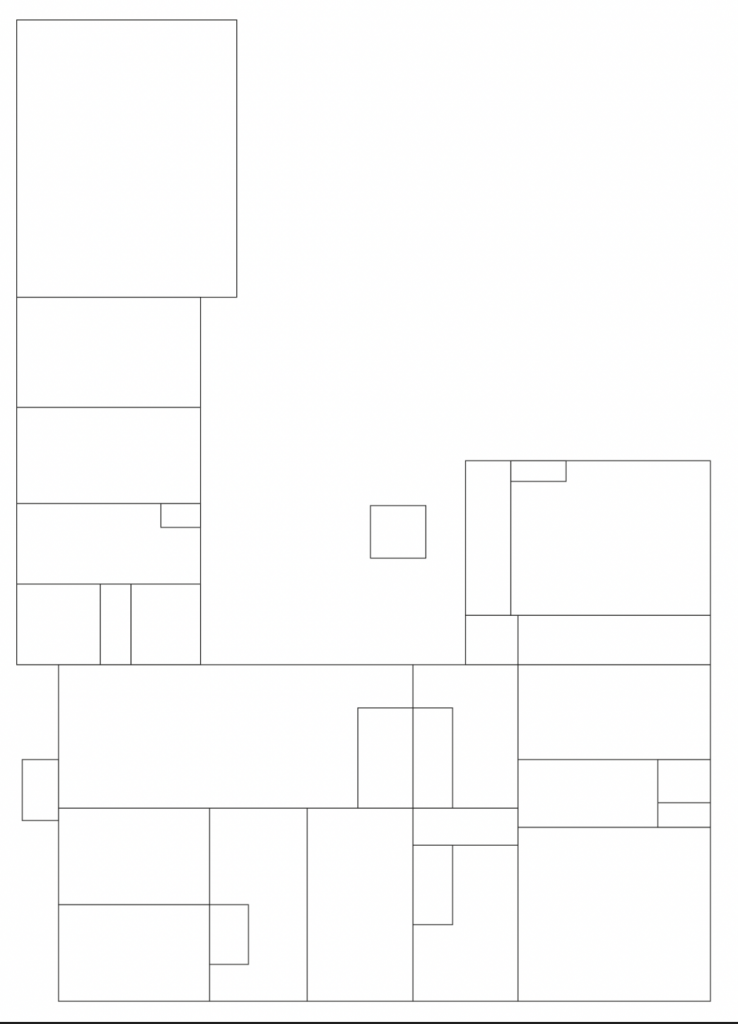
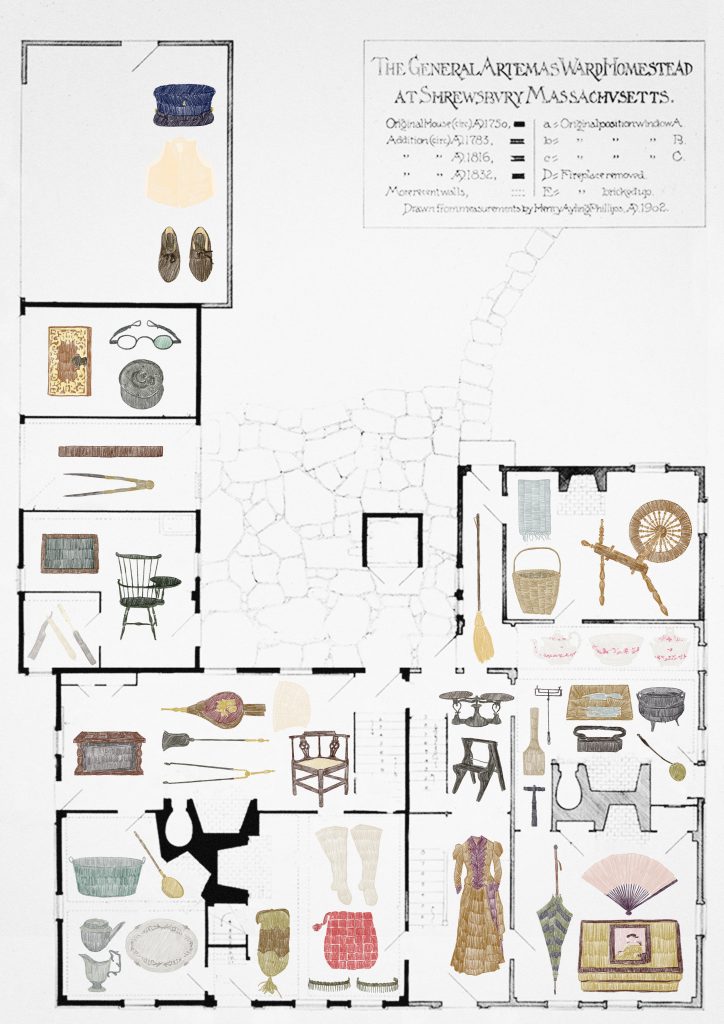
Looking at the floor plan, I thought it looked a lot like a quilt pattern. So I used it to create my own quilt and tell a story through it.
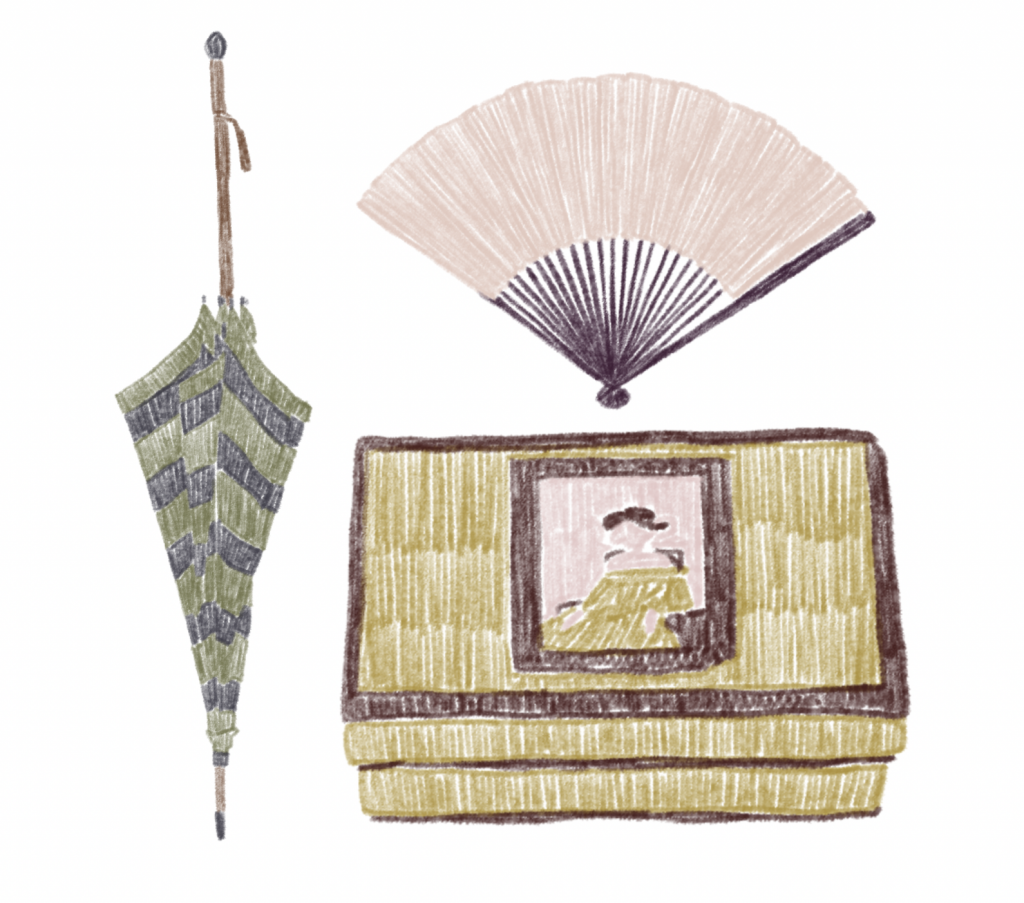
The objects in the collection that I redrew with lines to give them a stitched look are placed on the plan to show the importance of women in the house. They are located in the rooms according to the activities they are dedicated to or who they belonged to.
Leave a Reply